check

check

check

check

check

check
In industrial automation, precision and reliability are non-negotiable. Among the myriad components that ensure seamless operations, the limit switch magnetic stands out as a critical player. This device, often overlooked, is fundamental in controlling machinery, ensuring safety, and enhancing efficiency. But what exactly is a magnetic limit switch, and why is it indispensable in modern automation?
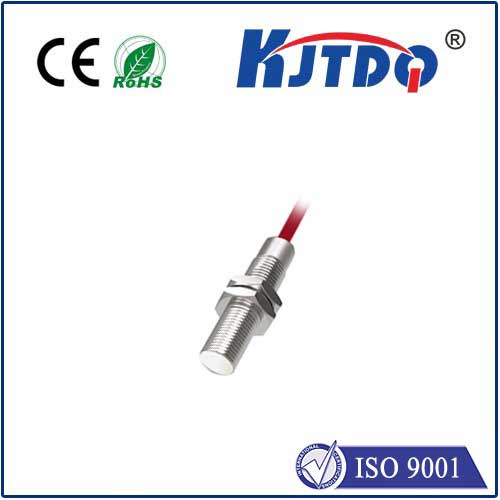
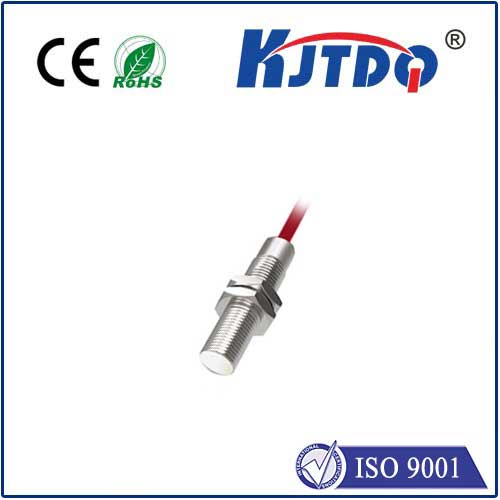
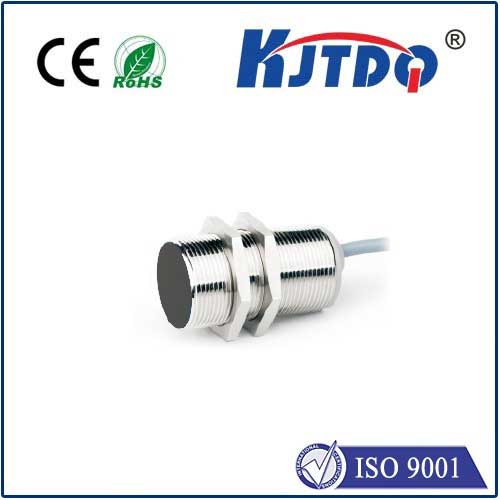
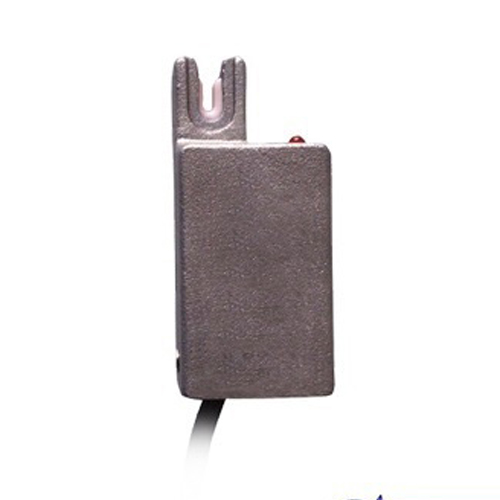
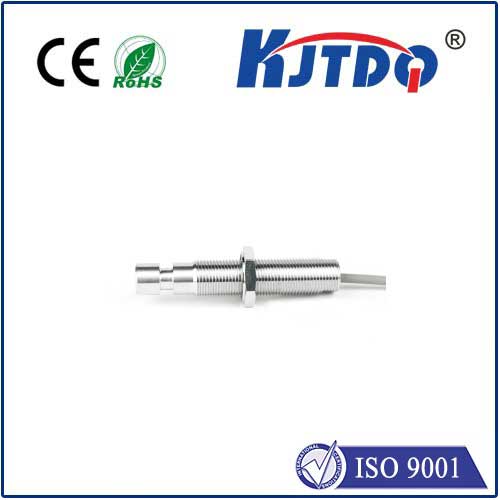
A magnetic limit switch operates on a simple yet effective principle. It consists of a switch mechanism activated by the presence or absence of a magnetic field. Typically, it includes a reed switch sealed within a protective housing and a separate magnet. When the magnet approaches the switch, the contacts inside close or open, triggering an electrical signal. This signal can start, stop, or change a machine's function, making it ideal for position detection, safety interlocks, and motion control.
The advantages of using magnetic limit switches are numerous. First, their sealed design makes them highly resistant to environmental hazards such as dust, moisture, and corrosive substances. Unlike mechanical switches that rely on physical contact, magnetic variants have no moving parts that can wear out, leading to longer service life and reduced maintenance. This durability is crucial in harsh industrial settings like manufacturing plants, automotive assembly lines, and material handling systems.
Moreover, magnetic limit switches offer exceptional accuracy. They provide consistent performance with minimal drift, ensuring repeatable operations in applications where precision is paramount. For instance, in conveyor systems, they can detect the position of items with pinpoint accuracy, preventing jams and optimizing throughput. In robotics, they serve as end-of-travel sensors, safeguarding equipment from damage by halting movement at predefined limits.
Installation and integration are straightforward with these switches. Their compact size allows for flexible mounting in tight spaces, and they can be easily wired into existing control circuits. Many models feature adjustable sensitivity, enabling customization for specific operational needs. Additionally, magnetic limit switches are compatible with various voltage levels and signal types, making them versatile across different industries.
Safety is another key benefit. In hazardous environments where sparks could ignite flammable materials, magnetic switches offer a non-contact solution that eliminates the risk of electrical arcing. They are commonly used in explosion-proof applications, such as oil refineries and chemical processing plants, where reliability can mean the difference between smooth operations and catastrophic failures.
When selecting a magnetic limit switch, consider factors like operating temperature range, switching capacity, and housing material. For extreme conditions, stainless steel or rugged polymer housings provide added protection. It's also essential to choose a switch with the appropriate actuation distance—the range at which the magnet reliably triggers the switch. Consulting with experts or referring to manufacturer specifications can help match the switch to your application's demands.
In practice, magnetic limit switches are ubiquitous. From controlling garage doors to managing complex CNC machines, their role is pervasive. They contribute to energy efficiency by ensuring equipment operates only when needed, reducing waste and lowering operational costs. As industries embrace Industry 4.0 and smart manufacturing, these switches integrate seamlessly with IoT systems, enabling real-time monitoring and predictive maintenance.
Despite their robustness, proper maintenance ensures optimal performance. Regular inspections for physical damage, corrosion, or loose connections are advisable. Testing the switch's response to the magnet can preempt failures. Most magnetic limit switches are designed for longevity, but like all components, they benefit from periodic checks as part of a broader preventive maintenance strategy.
In summary, the magnetic limit switch is a cornerstone of automated systems, offering durability, precision, and safety. Its non-contact operation and environmental resilience make it a preferred choice for demanding applications. As technology advances, these switches continue to evolve, incorporating features like wireless connectivity and enhanced sensitivity. For engineers and operators, understanding and leveraging magnetic limit switches is key to building reliable, efficient, and safe automation solutions. Whether you're upgrading existing machinery or designing new systems, this component deserves careful consideration for its ability to enhance control and performance.