check

check

check

check

check

check
In industrial environments, maintaining safe operating temperatures is not just a matter of efficiency—it's a critical safety imperative. This is where the hi limit sensor, a fundamental yet often overlooked component, plays a starring role. Far from being a simple accessory, it acts as the last line of defense, a vigilant guardian that prevents catastrophic equipment failure and ensures operational continuity.
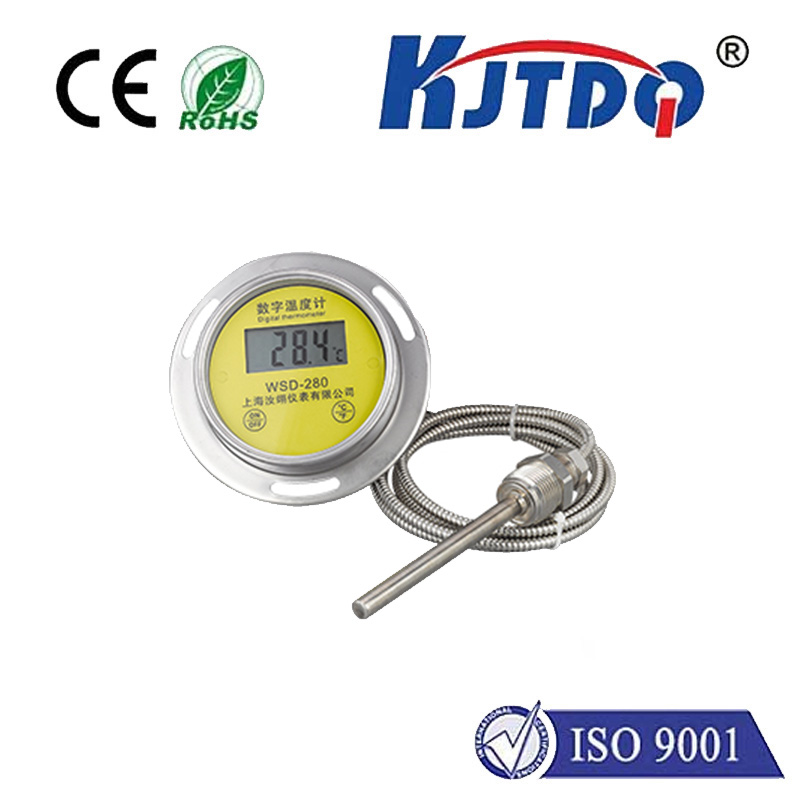
A hi limit sensor is a type of temperature sensor designed to monitor a specific point in a system, such as within a furnace, an oven, a heater, or an engine. Its primary function is straightforward: to detect when a preset maximum temperature threshold is exceeded. Unlike a primary thermostat that regulates temperature by cycling a system on and off, the hi limit sensor is a safety device. When it trips, it typically interrupts the primary power circuit to the heating element or shuts down the system entirely, forcing an intervention. This action prevents overheating, which can lead to melted components, fires, degraded product quality, or even explosions in extreme cases.
The operational principle of most hi limit sensors is based on a bimetallic strip or a thermocouple. In a bimetallic design, two different metals bonded together expand at different rates when heated. Upon reaching the critical temperature, the strip bends sufficiently to physically open an electrical switch, breaking the circuit. This mechanical action is highly reliable. Thermocouple-based sensors generate a small voltage proportional to temperature, which is read by a control module that then triggers a shutdown. The choice between these types depends on the required accuracy, response time, and environmental conditions.
The applications for hi limit sensors are vast and span numerous industries. In commercial food service, they are mandatory in bakery ovens, fryers, and griddles to prevent grease fires and ensure consistent cooking. Within HVAC systems, particularly in furnaces, they protect heat exchangers from cracking due to overheating caused by restricted airflow. Industrial manufacturing relies on them in plastic molding machines, packaging equipment, and chemical processing units to safeguard both the machinery and the end product. Their role is non-negotiable in any process where uncontrolled heat presents a risk.
Selecting the correct hi limit sensor requires careful consideration of several factors. The set point, or trip temperature, must be above the normal operating range but below the maximum safe temperature of the protected equipment. The sensor's physical construction must withstand the environment—whether it involves moisture, vibration, or corrosive atmospheres. The type of output (manual reset vs. automatic reset) is crucial. A manual reset sensor remains off until physically reset by an operator, ensuring a problem is investigated. An automatic reset sensor will reactivate once the temperature falls below the threshold, which is suitable for applications with frequent, non-hazardous fluctuations.
Proper installation and regular maintenance are paramount for reliability. The sensor must be positioned at the genuine hot spot, often in direct contact with the surface or immersed in the medium it is monitoring. It should never be insulated or placed in a dead zone where airflow is stagnant. Over time, sensors can drift from their calibrated set point or fail due to contamination or fatigue. Implementing a routine testing schedule, as recommended by the equipment manufacturer, is essential. This proactive approach verifies the sensor will function when needed most, avoiding false shutdowns and, more importantly, preventing dangerous failures.
Neglecting the hi limit sensor is a gamble with high stakes. A failed or bypassed sensor turns a controlled system into an uncontrolled hazard. The consequences extend beyond immediate repair costs to include prolonged downtime, loss of production, regulatory fines, and severe threats to personnel safety. In contrast, a robust hi limit strategy, featuring quality components and disciplined maintenance, is a hallmark of professional and responsible operations management. It embodies the principle that the best accident is the one that never happens.
Ultimately, the hi limit sensor is a testament to the philosophy of defense in depth. While modern systems boast sophisticated digital controls and real-time monitoring, this simple electromechanical device provides an independent, fail-safe layer of protection. It operates on a fundamental physical principle, offering assurance that even if complex electronics falter, a basic, reliable mechanism stands ready to intervene. For engineers, facility managers, and safety officers, understanding, specifying, and maintaining these sensors is not a technical detail—it is a core responsibility for safeguarding assets, people, and productivity.