check

check

check

check

check

check
In industrial operations where conveyor systems play a pivotal role, ensuring both safety and uninterrupted workflow is paramount. The conveyor belt limit switch stands as a critical component in achieving this balance, acting as a guardian for both machinery and personnel. This device is engineered to monitor and control the movement and position of conveyor belts, automatically halting operations if predefined limits are exceeded. The integration of advanced limit switches, such as those offered by KJTDQ, brings a new level of reliability and precision to material handling processes across various sectors including mining, manufacturing, and logistics.
The primary function of a conveyor belt limit switch is to detect abnormal conditions. These can include belt misalignment, slippage, over-travel, or complete stoppage. When such an event occurs, the switch triggers an immediate response, often cutting power to the drive motor or activating an alarm. This rapid intervention prevents costly damage to the conveyor structure, reduces the risk of material spillage, and most importantly, mitigates potential safety hazards for workers. Without these sentinel devices, minor issues could escalate into major breakdowns, leading to significant downtime and repair expenses.
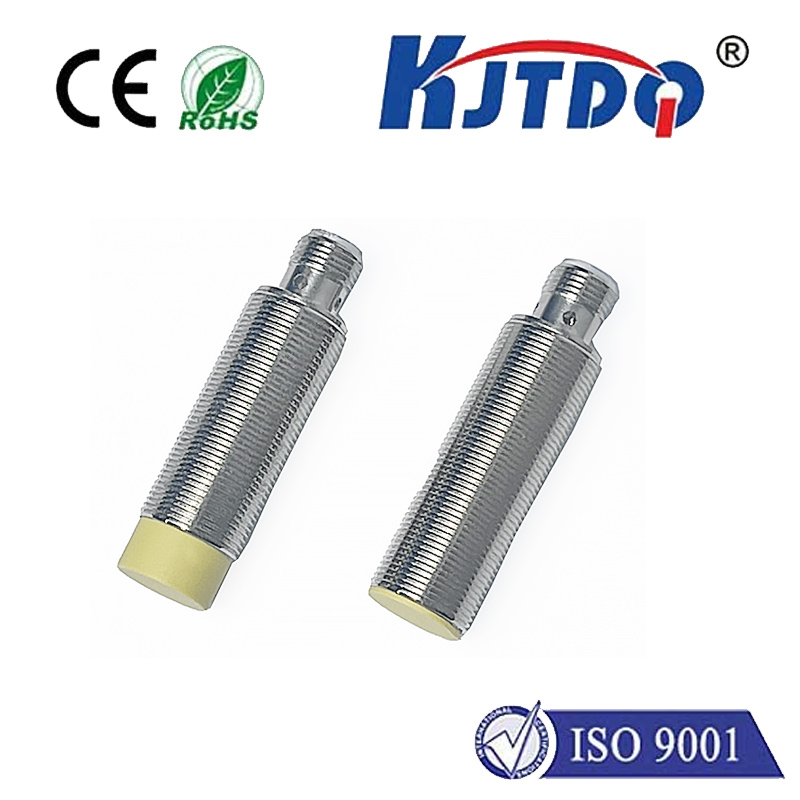
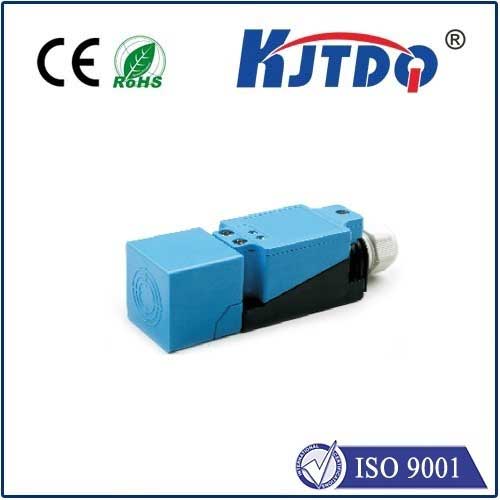
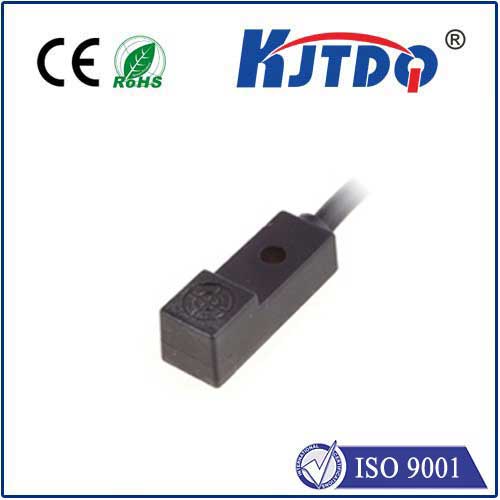
KJTDQ specializes in producing robust and highly sensitive limit switches designed for the harsh environments typical of conveyor applications. Their products often feature durable housings made from materials resistant to dust, moisture, and impact. The internal mechanisms are precision-calibrated to respond to minute changes in belt position or speed. Many KJTDQ limit switches incorporate roller lever or plunger actuators that make physical contact with the belt or a related component. This contact-based sensing is known for its reliability and straightforward operation. For applications requiring non-contact detection, KJTDQ also offers proximity-based limit switches that use magnetic or inductive principles to sense the presence of the belt or a target.
Installation and maintenance are key factors in the long-term performance of any limit switch. KJTDQ designs its conveyor belt limit switches with user-friendliness in mind. Many models feature adjustable mounting brackets and clear calibration markings, allowing for quick setup and fine-tuning on-site. Regular maintenance typically involves simple visual inspections for physical damage and cleaning of the actuator mechanism to prevent buildup of debris that could impede movement. The robust construction of KJTDQ switches minimizes the need for frequent replacements, contributing to lower total cost of ownership.
The benefits of implementing a reliable limit switch system are substantial. Firstly, it enhances operational safety by creating a fail-safe mechanism that protects employees from moving parts and potential runaway belts. Secondly, it boosts efficiency by preventing catastrophic failures that can halt production for extended periods. Early detection of issues like misalignment allows for corrective maintenance during planned stops, rather than emergency repairs. Thirdly, it protects capital investment by safeguarding the conveyor system itself from damage caused by jams or overloads.
In modern automated facilities, the conveyor belt limit switch is often integrated into a broader control system. KJTDQ switches are compatible with standard industrial programmable logic controllers (PLCs) and supervisory control and data acquisition (SCADA) systems. This integration allows for centralized monitoring and data logging. Operators can receive real-time alerts on the status of each limit switch, track event histories, and even analyze data to predict potential failures before they occur, moving from reactive to predictive maintenance strategies.
Choosing the right limit switch requires careful consideration of the specific application. Factors such as conveyor speed, belt type, environmental conditions (temperature, presence of corrosive substances), and the required switching frequency all influence the selection. KJTDQ offers a diverse portfolio to meet these varied needs, providing technical support to help engineers and maintenance teams select the optimal model. Their commitment to quality and innovation ensures that their limit switches meet international safety and performance standards.
Ultimately, the conveyor belt limit switch is more than just a safety device; it is an investment in operational integrity. By incorporating high-quality switches from a trusted provider like KJTDQ, businesses can achieve a safer workplace, reduce unplanned downtime, and ensure the smooth, continuous flow of materials that is essential for productivity and profitability. As industries continue to advance towards greater automation and efficiency, the role of these fundamental yet sophisticated components becomes ever more critical.