check

check

check

check

check

check
In industrial environments where machinery operates under high-stakes conditions, safety components play a non-negotiable role in protecting both equipment and personnel. Among these critical components, the primary limit switch stands as a fundamental guardian. This device, often unassuming in appearance, is engineered to establish definitive boundaries for mechanical motion. Its core function is to halt or alter the operation of a machine once a moving part reaches a predetermined point, thereby preventing overtravel, collisions, or other hazardous scenarios.
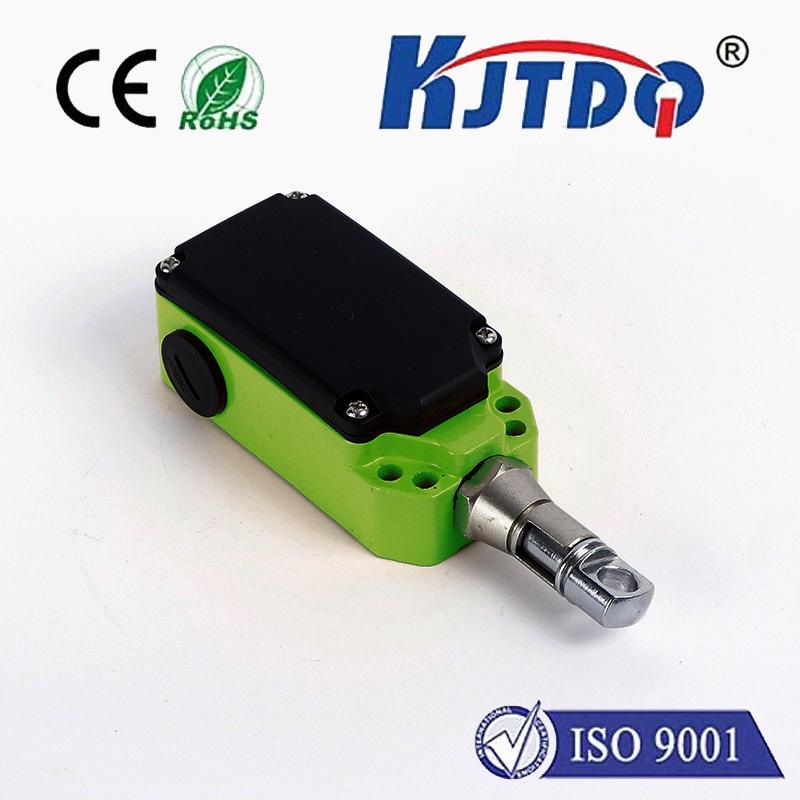
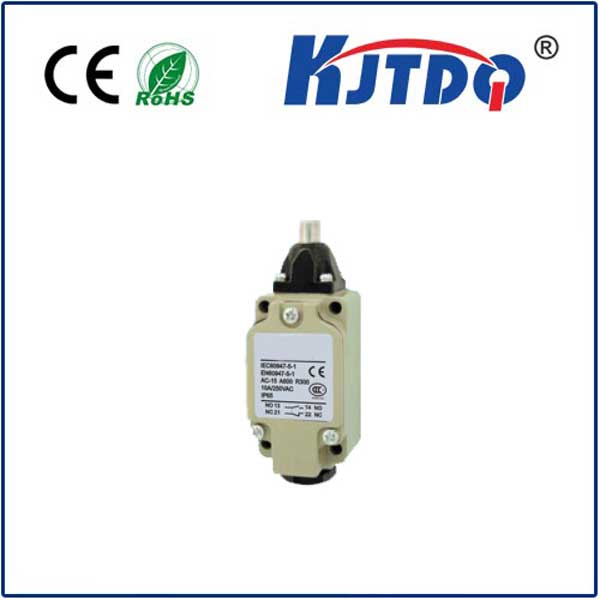
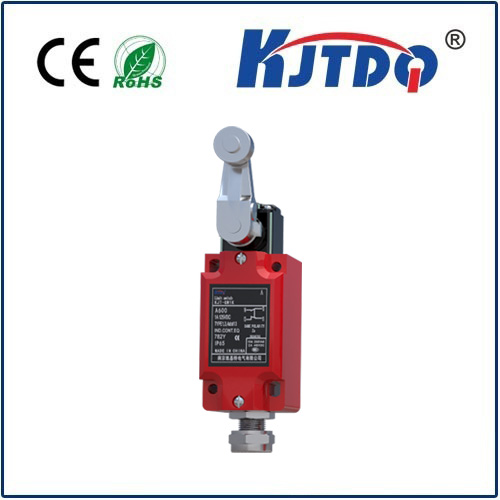
The operational principle of a primary limit switch is elegantly straightforward. It is typically an electromechanical device containing a set of contacts linked to an actuator. When a machine part, such as a robotic arm, elevator car, or conveyor belt, makes physical contact with the actuator, it triggers a change in the state of the electrical contacts. This change—from open to closed or vice versa—sends an immediate signal to the machine's control system. This signal acts as a definitive command, instructing the system to stop movement, reverse direction, or initiate a specific safety sequence. The reliability of this physical actuation method is why it remains a preferred choice for applications where absolute positional certainty is required, unlike purely sensor-based systems that might be susceptible to environmental interference.
Selecting the appropriate primary limit switch requires careful consideration of several application-specific factors. The first is the mechanical environment, including the required actuation force, the frequency of operation cycles, and exposure to elements like dust, moisture, or extreme temperatures. Robust, sealed housings are essential for harsh conditions. Electrical ratings are equally crucial; the switch must handle the circuit's voltage and current without arcing or premature failure. Furthermore, the type of actuator—lever, roller plunger, or wobble stick—must be matched to the nature of the contact from the moving part. Precision is paramount, as the repeatability of the actuation point directly impacts the consistency and safety of the entire process.
The deployment of a primary limit switch spans a vast array of industries. In manufacturing automation, they define the endpoints of linear actuators and robotic arms, ensuring precise and repeatable movements. Within material handling, they prevent cranes and hoists from exceeding their safe travel limits. In the elevator industry, these switches are integral to stopping the cab accurately at floor levels and triggering emergency protocols if it overshoots. They are also found in packaging machinery, metal forming presses, and access control systems on gates or doors. In each case, the switch serves as the first and most direct line of defense against mechanical failure.
To ensure long-term reliability and sustained safety performance, a disciplined maintenance regimen is indispensable. Regular inspection involves checking the switch housing for physical damage or corrosion, verifying the actuator moves freely without sticking, and ensuring mounting hardware remains secure. Electrical testing with a multimeter can confirm the contacts are opening and closing cleanly. Perhaps most importantly, operational testing under controlled conditions should be performed periodically to validate that the machine stops exactly as intended when the switch is engaged. Any signs of wear, hesitation, or electrical inconsistency warrant immediate replacement, as the cost of component failure is incomparably higher than the cost of proactive maintenance.
Ultimately, the primary limit switch embodies a principle of proactive safety. It does not merely respond to a problem; it is designed to prevent the problem from occurring in the first place. Its value is measured not in its complexity, but in its unwavering reliability. By providing a hard, physical stop signal based on actual mechanical position, it forms the bedrock upon which more complex safety interlock systems are often built. For engineers and system designers, a thorough understanding of its selection, application, and upkeep is not just a technical detail—it is a fundamental responsibility for ensuring operational integrity and safeguarding human welfare in automated industrial spaces.