check

check

check

check

check

check
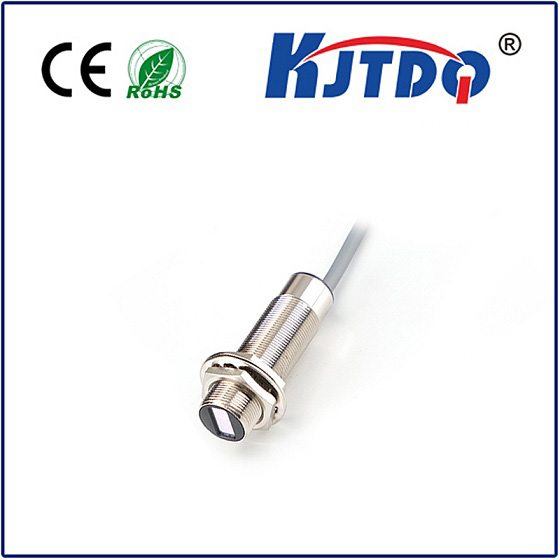
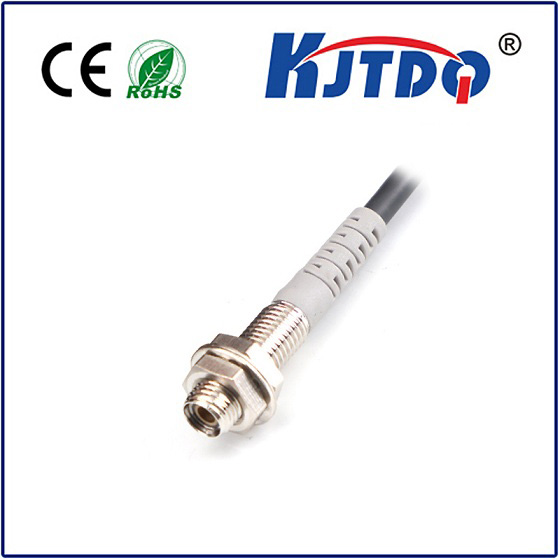
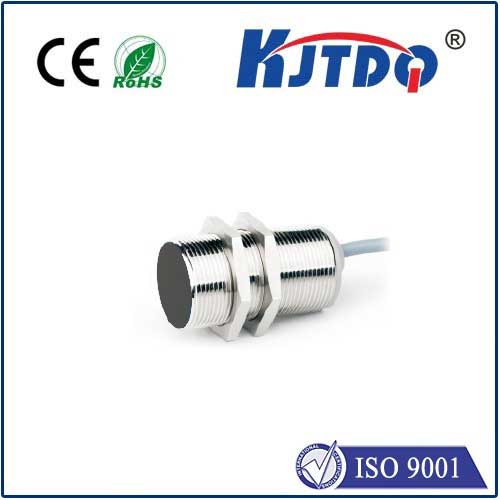
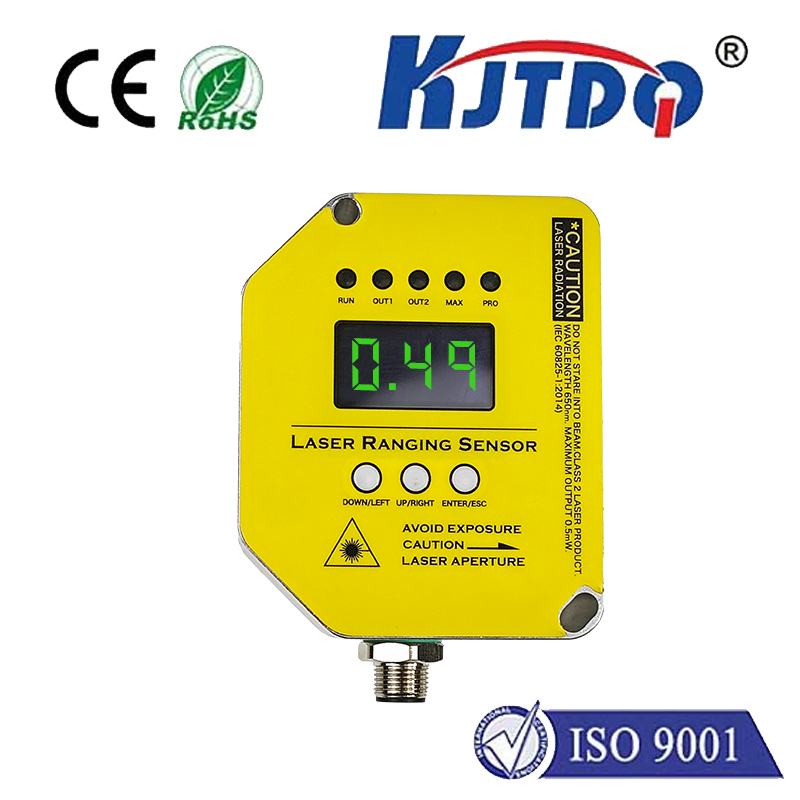
In the rapidly evolving landscape of industrial automation and smart technology, the photoelectric distance sensor stands as a cornerstone for achieving unparalleled accuracy and efficiency. Unlike traditional mechanical or ultrasonic methods, this sensor utilizes light beams—typically infrared or laser—to detect the presence, absence, or position of objects without physical contact. The core principle involves emitting a light signal toward a target and measuring the time it takes for the reflection to return, or analyzing the intensity of reflected light, to calculate distance with high precision. This non-contact nature minimizes wear and tear, ensuring longevity and reducing maintenance costs in demanding environments such as manufacturing lines, robotics, and logistics systems.
The applications of photoelectric distance sensors are vast and transformative. In automotive assembly, they enable precise part alignment and quality control, detecting minute deviations that could compromise safety. Within packaging industries, these sensors monitor fill levels and product positioning, streamlining operations and minimizing waste. Moreover, in the realm of consumer electronics, they contribute to gesture recognition and proximity sensing in devices like smartphones and tablets, enhancing user interaction. The integration of advanced features, such as background suppression and adjustable sensing ranges, allows these sensors to adapt to diverse conditions, from detecting transparent materials to operating in harsh, dusty settings where other technologies might fail.
A key advantage of the photoelectric distance sensor is its reliability and speed. With response times in the microsecond range, it supports high-speed processes without lag, crucial for real-time automation. Additionally, modern iterations offer digital interfaces and connectivity options, facilitating seamless integration into IoT (Internet of Things) networks. This enables data collection and analysis for predictive maintenance, optimizing overall system performance. For instance, in agricultural automation, sensors monitor crop growth and equipment positioning, promoting sustainable practices through precise resource management.
Despite its sophistication, selecting the right photoelectric distance sensor requires consideration of factors like range, resolution, and environmental resilience. Models vary from short-range diffuse types for close-proximity tasks to long-range retro-reflective versions for larger-scale monitoring. Innovations continue to push boundaries, with developments in miniaturization and energy efficiency making sensors more accessible for small-scale applications. As industries embrace Industry 4.0, the demand for these sensors is poised to grow, driven by needs for accuracy, safety, and operational efficiency.
Ultimately, the photoelectric distance sensor exemplifies how cutting-edge technology can solve practical challenges. By offering a blend of precision, durability, and versatility, it empowers businesses to enhance productivity while fostering innovation. Whether in factory floors, smart homes, or research labs, this sensor is quietly revolutionizing how we measure and interact with the physical world, paving the way for a more automated and intelligent future.