check

check

check

check

check

check
In the realm of industrial automation and smart systems, the photoelectric sensor infrared stands as a cornerstone technology, driving efficiency and reliability across countless applications. Unlike mechanical switches or other sensing methods, these devices operate without physical contact, using infrared light to detect the presence, absence, or distance of objects. This non-contact nature translates to minimal wear and tear, ensuring longevity and consistent performance in demanding environments.
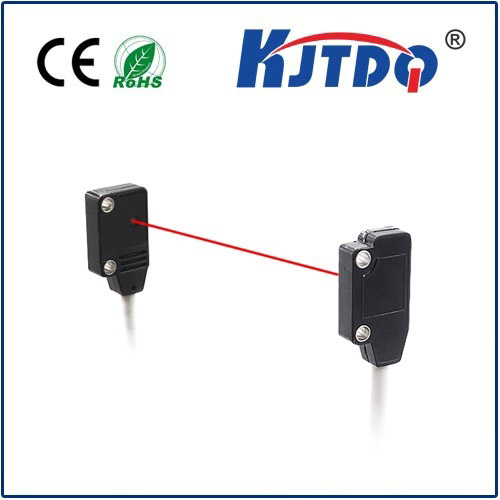
The fundamental principle behind an infrared photoelectric sensor involves an emitter and a receiver. The emitter projects a beam of infrared light, which is invisible to the human eye. The receiver is tuned to detect this specific wavelength. When an object interrupts or reflects this beam (depending on the sensor type), the receiver registers a change in the light pattern, triggering an electrical signal. This simple yet robust mechanism allows for high-speed, accurate detection of objects regardless of their material, color, or surface texture, provided they are not perfectly transparent to infrared light.
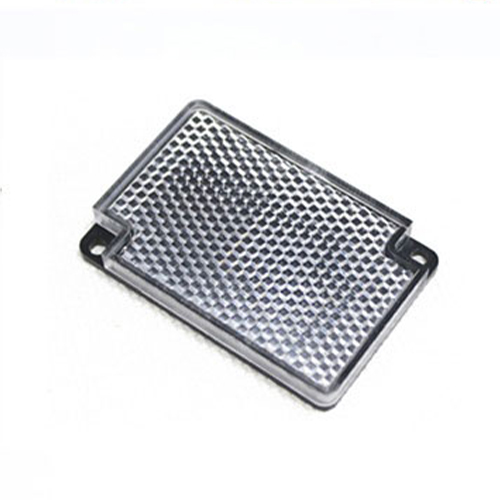
There are three primary operating modes: through-beam, retro-reflective, and diffuse reflective. Through-beam sensors, with separate emitter and receiver units, offer the longest sensing ranges and highest reliability, ideal for precise detection on assembly lines. Retro-reflective models use a single unit and a reflector, bouncing the beam back, making them suitable for detecting objects that may interrupt the beam path. Diffuse reflective sensors detect objects by measuring the light reflected directly off the target itself, perfect for applications where installing a reflector or a separate receiver is impractical, such as detecting objects on a conveyor belt.
The integration of infrared technology is particularly advantageous. Infrared light is less susceptible to interference from ambient visible light compared to standard visible light sensors, leading to more stable operation in environments with fluctuating lighting conditions, such as warehouses with skylights or outdoor applications. Furthermore, advanced models incorporate background suppression or foreground suppression features, allowing them to ignore objects beyond a set distance or only detect targets within a specific range, adding a layer of precision for complex tasks like bottle filling level control or robot palletizing.
The applications are vast and transformative. In packaging, these sensors ensure correct box placement and label verification. In automotive manufacturing, they verify part presence and assembly completeness. In the food and beverage industry, they count products and monitor fill levels. Security systems utilize them for intrusion detection, while automatic doors rely on them for safe, touch-free operation. The advent of Industry 4.0 and the Internet of Things (IoT) has further elevated their role, with smart sensors providing diagnostic data, communication via IO-Link or Ethernet, and seamless integration into networked control systems for predictive maintenance and data analytics.
Selecting the right photoelectric sensor infrared requires careful consideration of several factors. The required sensing distance, the size and nature of the target object, environmental conditions like dust, moisture, or temperature extremes, and the required output signal type (e.g., NPN, PNP, analog) all play a critical role. Modern sensors are designed to be rugged, with IP67 or higher ratings for protection against water and dust, ensuring reliable operation in harsh industrial settings.
In conclusion, the photoelectric sensor infrared is more than just a component; it is an enabler of smarter, safer, and more efficient automated processes. Its ability to provide precise, non-contact detection using robust infrared technology makes it indispensable in modern manufacturing, logistics, and building management. As technology evolves, these sensors continue to become more intelligent, compact, and versatile, solidifying their position as a critical driver in the ongoing advancement of automation and control systems worldwide.