check

check

check

check

check

check
In the rapidly evolving landscape of industrial automation, precision and reliability are non-negotiable. The Q25 D7 Proximity Sensor stands as a testament to this principle, offering a robust solution for countless detection and positioning applications. This comprehensive guide delves into the core functionalities, technical specifications, and practical applications of this advanced sensing device, providing engineers and system integrators with the insights needed to optimize their operations.
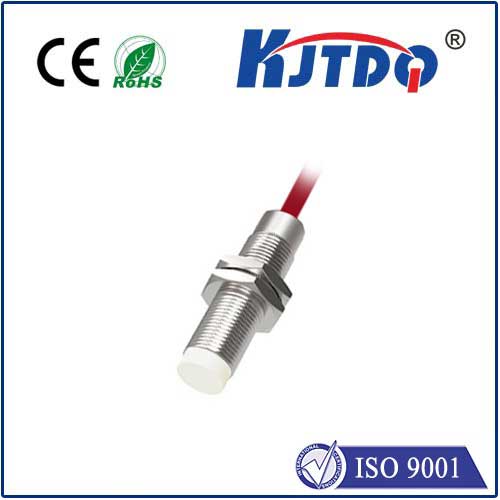
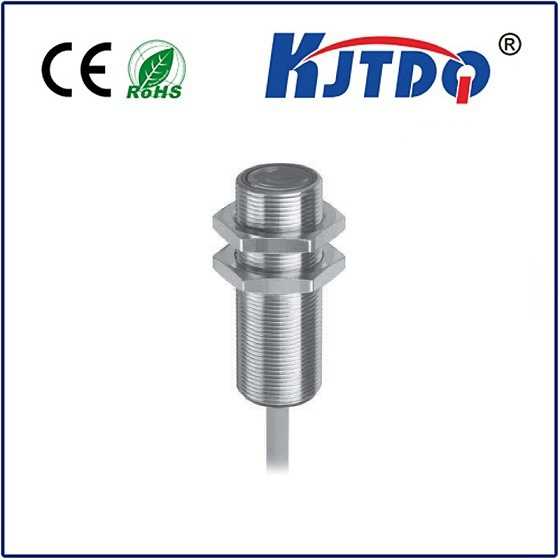
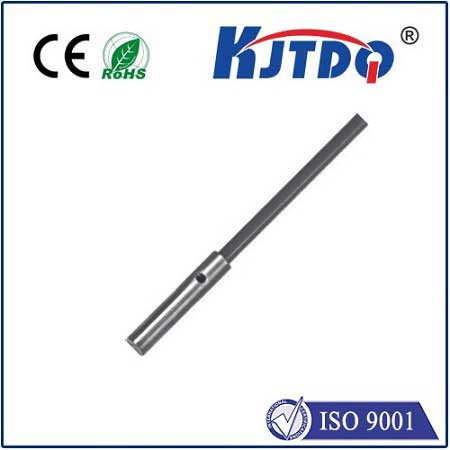
At its heart, the Q25 D7 is an inductive proximity sensor. It operates on a fundamental principle: generating an electromagnetic field from its sensing face. When a metallic object enters this field, eddy currents are induced within the target, causing a change in the oscillation amplitude within the sensor's internal circuit. This change is detected and triggers a solid-state switching output. The "Q25 D7" designation typically refers to a specific cylindrical housing style (often 18mm in diameter) with a sensing distance (7mm in this case), making it a standard form factor compatible with a wide range of industrial mounting fixtures.
One of the standout features of the Q25 D7 series is its exceptional environmental resilience. Encased in a rugged, often nickel-plated brass or stainless-steel housing, these sensors are built to withstand harsh conditions. They are inherently resistant to common industrial contaminants like dust, oil, and coolant splashes. Many models boast an IP67 or higher ingress protection rating, meaning they are dust-tight and can withstand temporary immersion in water. This durability translates to reduced downtime and maintenance costs, a critical factor in continuous production environments.
The technical performance of the Q25 D7 sensor is tailored for precision. The 7mm nominal sensing range provides an optimal balance for detecting small to medium-sized metallic components without excessive standoff requirements. It's crucial to note that the effective sensing distance can vary slightly depending on the target material; for instance, mild steel provides the rated distance, while stainless steel or aluminum may require a reduction factor. These sensors typically offer a high switching frequency, allowing them to detect rapidly moving objects on assembly lines or packaging machinery. Furthermore, they are available in various output configurations (NPN, PNP, NO, NC) to seamlessly interface with Programmable Logic Controllers (PLCs) and other control systems.
The application spectrum for the Q25 D7 proximity sensor is vast. In automotive manufacturing, they are indispensable for part presence verification on robotic welding arms, end-of-arm tooling confirmation, and checking for correct piston placement in engine blocks. Within the packaging industry, they count bottles, detect foil seals on containers, and control the position of filling heads. On material handling conveyors, these sensors provide precise position feedback for sorting gates, palletizing robots, and automated storage systems. Their non-contact nature eliminates mechanical wear, ensuring a long operational life even in high-cycle applications.
When integrating the Q25 D7 into a system, several best practices ensure optimal performance. Proper mounting is paramount; maintaining the recommended clearance around the sensor body prevents interference from nearby metal structures (a phenomenon known as flanking). Selecting the correct model for the electrical load and supply voltage (commonly 10-30V DC) is essential. For applications involving different target metals, consulting the sensor's technical datasheet for correction factors is necessary to guarantee reliable detection. Regular functional checks, though infrequently needed due to their solid-state design, should be part of a preventative maintenance schedule.
Compared to mechanical limit switches or photoelectric sensors, the Q25 D7 inductive proximity sensor offers distinct advantages in metallic target environments. It is immune to ambient light, dirt accumulation on the lens (a common issue for optical sensors), and physical contact wear. Its simple, robust design leads to a lower total cost of ownership over time. While it is specifically designed for metals, this specialization is its strength, providing unwavering reliability where it matters most.
In conclusion, the Q25 D7 Proximity Sensor represents a mature, highly refined technology that continues to be a cornerstone of modern industrial automation. Its blend of rugged construction, precise and reliable operation, and versatile application potential makes it a go-to component for engineers seeking to enhance machine efficiency, safety, and productivity. By understanding its operating principles and implementation guidelines, professionals can leverage this powerful tool to build smarter, more resilient automated systems that drive operational excellence.