check

check

check

check

check

check
In the world of industrial automation and precision engineering, the ability to detect objects without physical contact is not just a convenience—it's a fundamental requirement for efficiency, safety, and reliability. Among the various technologies enabling this capability, the micro inductive proximity sensor stands out as a critical component for countless applications. This guide delves into the core principles, advantages, and real-world uses of these powerful yet compact devices.
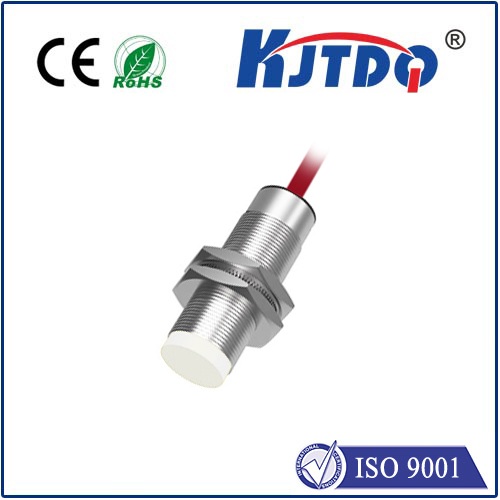
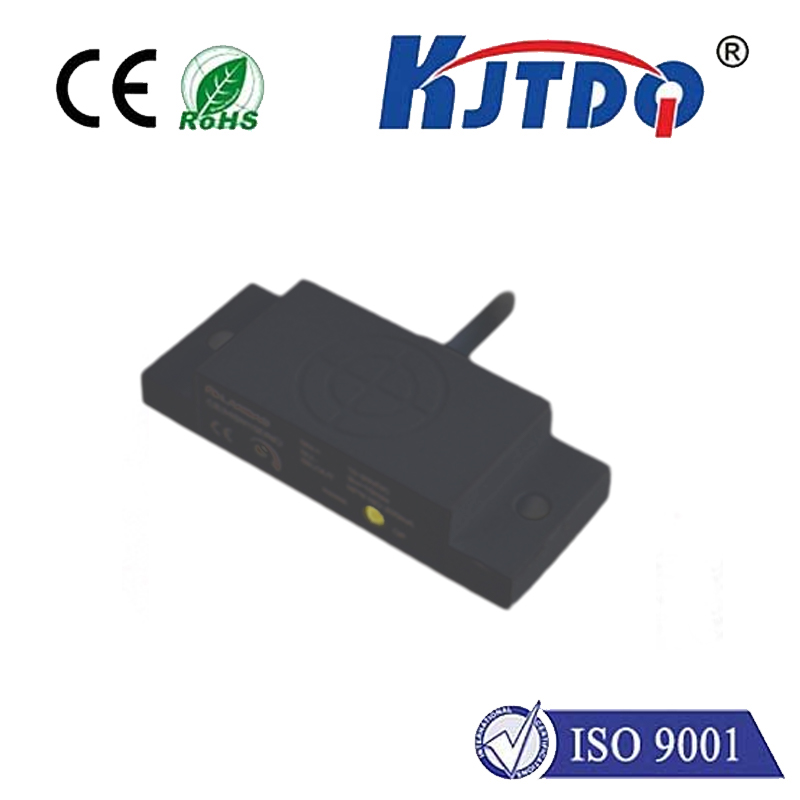
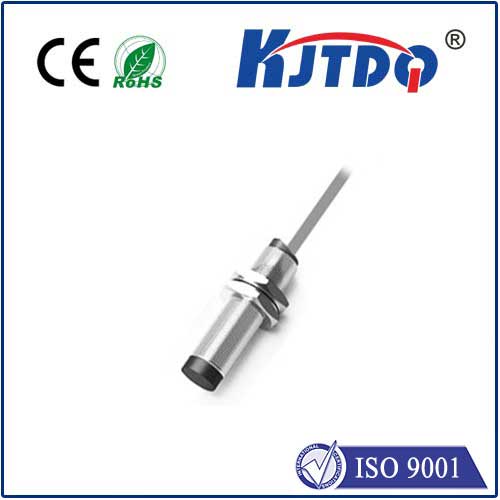
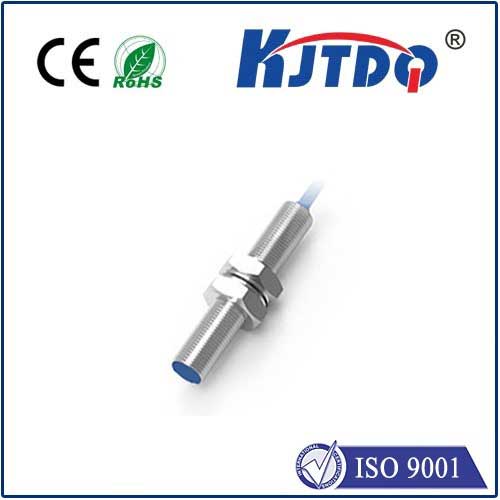
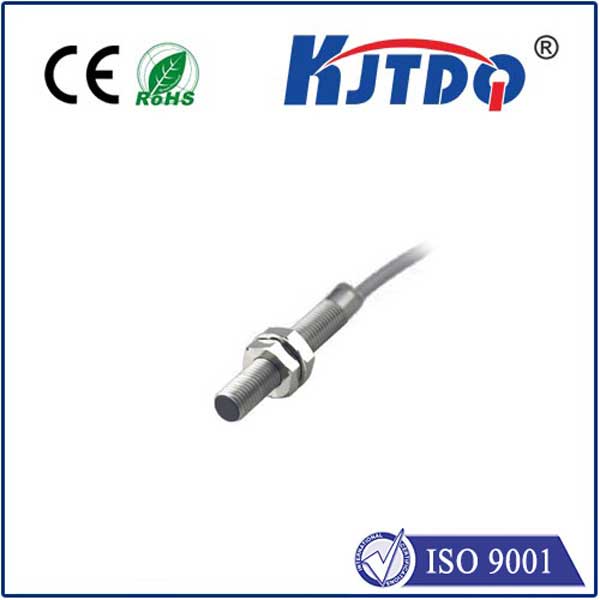
At its heart, a micro inductive proximity sensor operates on a simple electromagnetic principle. The sensor contains a coil that is energized with an alternating current, generating an oscillating electromagnetic field around its active face. When a metallic object enters this field, eddy currents are induced on the object's surface. These eddy currents draw energy from the sensor's coil, causing a change in the oscillation amplitude. The sensor's internal circuitry detects this change and triggers a solid-state switch, sending a clear output signal. This entire process happens in microseconds, allowing for high-speed detection. The "micro" designation refers to the sensor's exceptionally small housing, often just a few millimeters in diameter, enabling installation in spaces where traditional sensors cannot fit.
The benefits of using a micro inductive proximity sensor are substantial. First and foremost is their remarkable durability. With no moving parts and a sealed housing typically rated IP67 or higher, they are immune to dust, oil, coolant, and other harsh industrial contaminants. They offer exceptional switching precision and repeatability, ensuring consistent performance in tasks like counting, positioning, and end-of-travel detection. Their non-contact nature means there is no wear on the sensor or the target, leading to a virtually limitless operational life and minimal maintenance. Furthermore, their high switching frequency allows them to detect objects moving at very high speeds, a crucial feature in modern high-throughput production lines.
Where are these tiny workhorses deployed? Their applications are vast and varied. In the electronics manufacturing sector, they are indispensable for verifying the presence of tiny components on circuit boards, checking lid placement on microchips, or ensuring the precise positioning of SMT (Surface-Mount Technology) feeders. Within automated assembly systems, they monitor the passage of small metal parts, confirm actuator positions in robotic arms, and control miniaturized sorting mechanisms. The automotive industry relies on them for precision tasks in engine assembly, gearbox monitoring, and safety system verification. Beyond traditional factories, they find use in medical devices for instrument positioning, in packaging machinery for foil detection, and even in consumer printers for paper tray status.
Selecting the right micro inductive proximity sensor requires careful consideration of several key parameters. The sensing distance, or nominal range, is specified for a standard target and is typically very short for micro sensors, often between 0.5mm and 2mm. It's vital to note that this distance can vary based on the target material; ferrous metals like steel are detected at the full nominal range, while non-ferrous metals like aluminum or copper may reduce the effective sensing distance. The sensor's housing material, such as stainless steel or PBT plastic, must be chosen to withstand the specific environmental conditions. Output type is another critical choice: PNP (sourcing) or NPN (sinking) transistor outputs must match the control system's input card requirements. Finally, factors like supply voltage, current consumption, and response time must align with the application's electrical and timing demands.
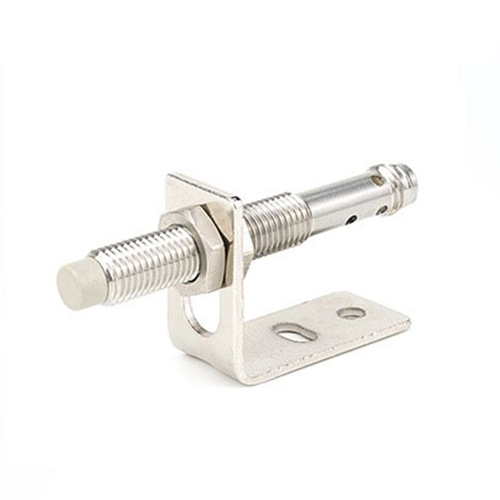
Installation and setup are straightforward but demand attention to detail. Ensuring a stable power supply within the sensor's specified voltage range is essential. Mounting must be secure, and care should be taken to maintain the recommended clearance from other metal objects to prevent false triggering from surrounding machinery. For optimal performance, regular testing with the intended target material under real operating conditions is advised to verify consistent detection.
In conclusion, the micro inductive proximity sensor is a testament to engineering miniaturization and reliability. By providing robust, accurate, and contactless detection in the smallest of spaces, it empowers designers and engineers to create more compact, faster, and more intelligent automated systems. As industries continue to push the boundaries of miniaturization and precision, the role of these sensors will only become more central, acting as the unseen yet vital senses of modern machinery.