check

check

check

check

check

check
In the rapidly evolving landscape of industrial automation, precision, reliability, and durability are non-negotiable. Among the myriad of components that form the backbone of modern manufacturing and machinery, the proximity sensor stands out as a critical element for non-contact detection. Fotek, a prominent name in the sensor technology arena, offers a comprehensive range of proximity sensors designed to meet the rigorous demands of various industries. This guide delves into the world of Fotek proximity sensors, exploring their technology, applications, and the tangible benefits they bring to automated systems.
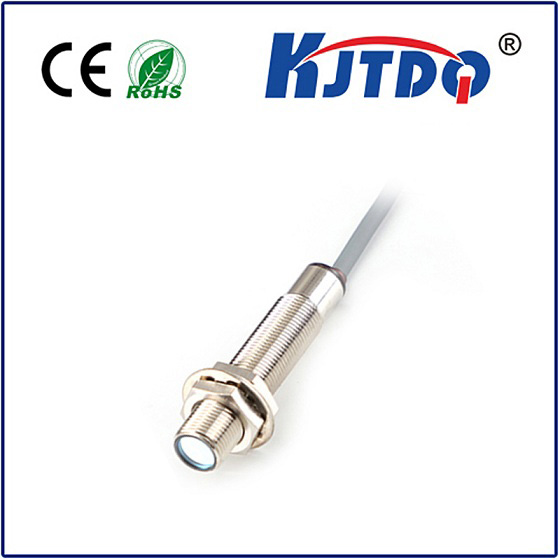
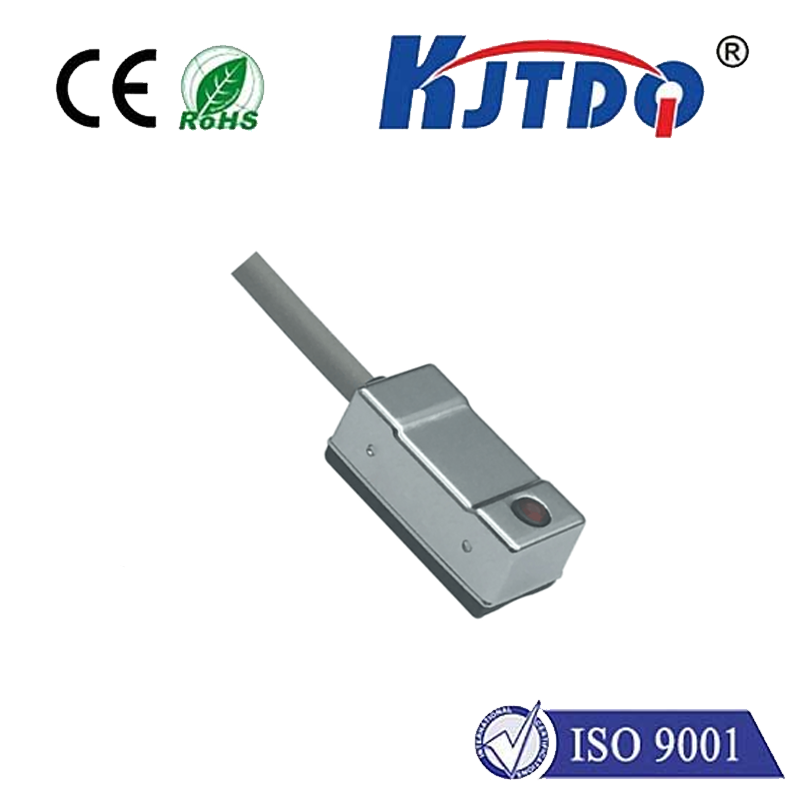
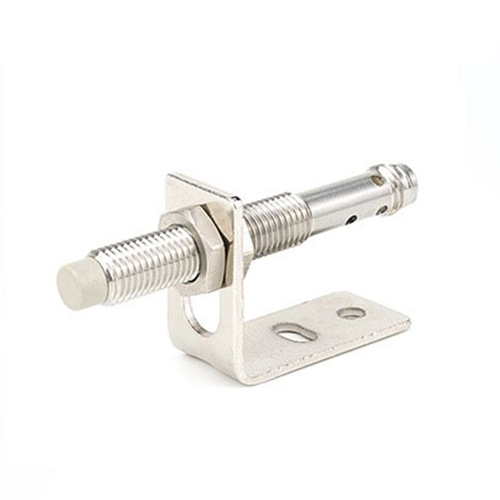
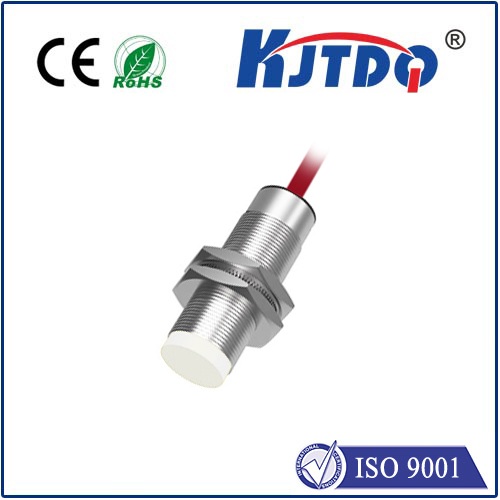
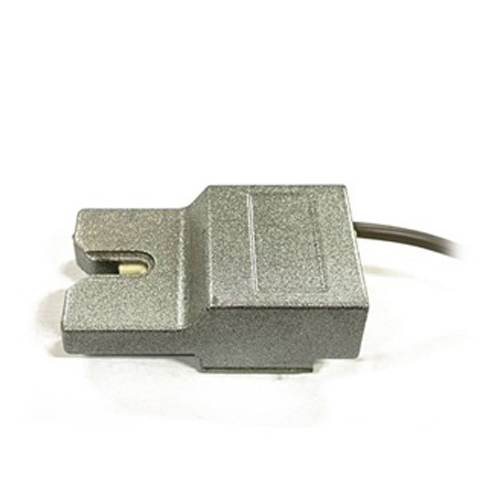
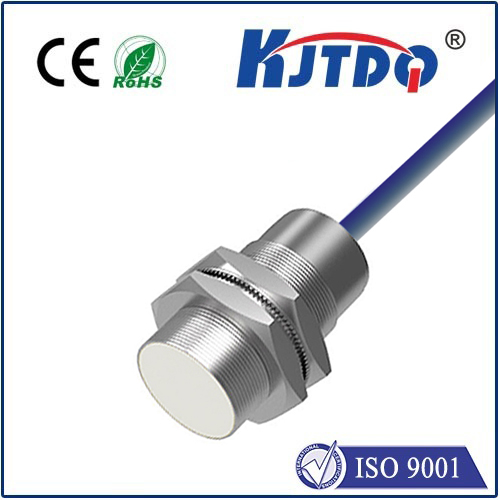
Fotek proximity sensors operate primarily on the inductive principle, making them exceptionally effective for detecting metallic objects without any physical contact. When a metal target enters the sensor's electromagnetic field, it induces eddy currents that cause a change in the oscillation amplitude. This change is detected by the sensor's circuit, triggering a solid-state output signal. This fundamental operation ensures high-speed response, exceptional repeat accuracy, and longevity, as there are no moving parts to wear out. Fotek's product line includes various types, such as cylindrical and rectangular housing models, with different sensing ranges, output configurations (like NPN or PNP), and connection methods to suit diverse installation requirements.
The applications for Fotek proximity sensors are vast and integral to modern industrial processes. In automotive assembly lines, they are indispensable for precise part positioning, robotic arm control, and verifying the presence of components. Packaging machinery relies on these sensors to count products, control filling levels, and ensure proper orientation on conveyor belts. Within the realm of material handling, they facilitate pallet detection, door position monitoring, and automated guided vehicle (AGV) navigation. Furthermore, in machine tools, Fotek sensors play a vital role in tool wear monitoring, spindle positioning, and ensuring safety interlocks. Their robust construction, often featuring IP67 or higher ingress protection ratings, allows them to perform consistently in harsh environments with exposure to dust, coolants, oils, and vibrations.
Choosing the right Fotek proximity sensor involves considering several key technical parameters. The sensing distance, or nominal range, must be selected based on the application to ensure reliable detection without false triggers. The housing material, typically nickel-plated brass or stainless steel, determines corrosion resistance. Operating voltage range (commonly 10-30V DC) and output current capacity must be compatible with the control system. Environmental factors like ambient temperature and the presence of other electromagnetic devices also influence selection. Fotek provides detailed datasheets and technical support to help engineers and maintenance personnel make informed decisions, ensuring optimal integration into their control systems, such as PLCs (Programmable Logic Controllers).
Beyond mere functionality, Fotek proximity sensors deliver significant operational advantages. Their non-contact nature eliminates mechanical wear and tear, drastically reducing maintenance costs and downtime. The high switching frequency enables faster machine cycles, boosting overall production throughput. By providing accurate and reliable signals, they enhance process control quality, minimize waste, and contribute to stringent safety protocols by ensuring machines operate only when conditions are correct. This reliability translates into a strong return on investment, making Fotek sensors a cost-effective solution for both large-scale manufacturing plants and smaller automated setups.
In conclusion, Fotek proximity sensors represent a blend of sophisticated engineering and practical design, tailored for the challenges of industrial automation. Their ability to provide consistent, contactless detection of metallic objects makes them a cornerstone technology for improving efficiency, safety, and productivity across countless applications. For system integrators, plant managers, and maintenance engineers, understanding and leveraging the capabilities of Fotek sensors is a strategic step towards building more resilient and intelligent automated systems. As industries continue to advance towards smarter factories and Industry 4.0, the role of reliable sensing components like those from Fotek will only become more pivotal.