check

check

check

check

check

check
In the rapidly evolving landscape of industrial automation, precision, reliability, and efficiency are non-negotiable. Among the myriad of components that drive modern manufacturing and processing lines, the proximity photoelectric sensor stands out as a critical workhorse. This technology, often simply called a photoelectric sensor, is the unseen eye that ensures seamless operations, from packaging and material handling to assembly and robotic guidance. Unlike traditional mechanical limit switches or inductive proximity sensors, photoelectric sensors offer non-contact detection over longer distances and for a wider variety of materials, including glass, plastic, wood, and liquids.
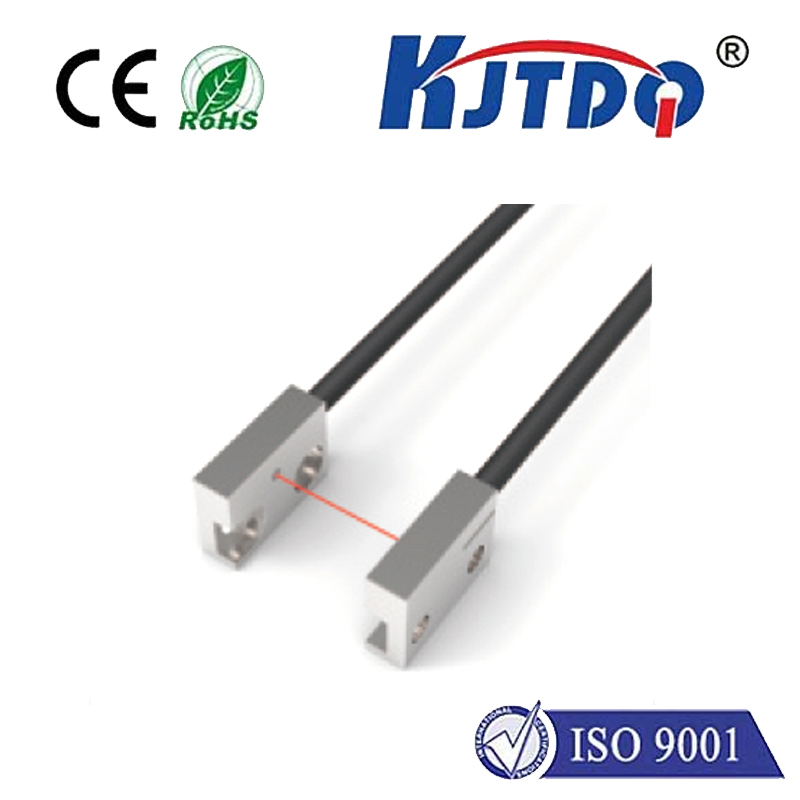
The core principle behind a proximity photoelectric sensor is elegantly simple: it emits a beam of light (visible red, infrared, or laser) and detects changes in the received light signal. This detection occurs through one of three primary sensing modes. The through-beam mode, known for its long range and high reliability, uses separate emitter and receiver units. An object is detected when it interrupts the light beam traveling between them. The retro-reflective mode employs a single unit that houses both emitter and receiver, along with a specialized reflector. Detection happens when the object breaks the beam reflected back to the sensor. Finally, the diffuse reflective mode, or proximity mode, is the most common for close-range applications. Here, the sensor detects light reflected directly off the target object itself. This "proximity" function is where the sensor gets part of its name, allowing for detection without a separate reflector, ideal for sensing objects at a defined distance from the sensor face.
The advantages of integrating these sensors into an automation system are substantial. Their ability to perform without physical contact eliminates wear and tear, dramatically extending service life and reducing maintenance costs. They boast high switching speeds, capable of detecting objects moving at rapid velocities, which is essential for high-speed production lines. Furthermore, their versatility in detecting virtually any material, regardless of color or surface finish (though these factors can influence sensing range), makes them indispensable. Modern proximity photoelectric sensors come equipped with advanced features like background suppression, which ignores objects beyond a set distance, and precise laser spots for detecting minute components.
Selecting the right sensor requires careful consideration of the application's specific demands. Key factors include the sensing distance required, the size, color, and surface texture of the target object, the required response speed, and the environmental conditions. Harsh environments with excessive dust, moisture, or vibration demand sensors with high Ingress Protection (IP) ratings and robust housings. For applications involving clear glass or highly reflective surfaces, sensors with polarized filters or specialized light sources may be necessary to prevent false triggers.
Installation and alignment are crucial for optimal performance. Even the most advanced sensor will underperform if misaligned. For through-beam and retro-reflective types, precise alignment of the emitter, receiver, and reflector is paramount. Many modern sensors feature built-in alignment indicators, such as LED signals that change color or intensity when optimal alignment is achieved, simplifying setup and reducing downtime. Regular maintenance, primarily involving keeping the lens clean from dust, oil, or debris, ensures consistent and reliable operation over time.
The future of proximity photoelectric sensing is intertwined with the growth of Industry 4.0 and smart factories. Next-generation sensors are becoming increasingly intelligent, featuring integrated IO-Link communication. This allows for not just simple object detection but also the continuous monitoring of sensor health, temperature, and signal strength. They can transmit diagnostic data proactively, enabling predictive maintenance and seamless integration into larger networked control systems. This digital transformation elevates the sensor from a simple switch to a valuable data point in the optimization of entire production processes.
From ensuring a bottle is correctly positioned for filling on a beverage line to verifying the presence of a component on a circuit board assembly robot, proximity photoelectric sensors provide the essential feedback that automated systems rely on. Their combination of versatility, durability, and evolving intelligence makes them a foundational technology for building more responsive, efficient, and connected industrial operations. Understanding their function, selection criteria, and proper implementation is key for engineers and technicians aiming to maximize uptime and productivity in any automated environment.