check

check

check

check

check

check
In the world of industrial automation and machinery, the quest for reliable, precise, and durable sensing technology is never-ending. Among the myriad of components that keep modern production lines humming, proximity sensors stand as silent sentinels, ensuring operations are seamless and efficient. Today, we delve into the capabilities of a specific, high-performance model: the LJA1M-5N1 proximity sensor. This device exemplifies the engineering excellence required in demanding environments, offering a blend of accuracy, robustness, and versatility that sets a new standard.
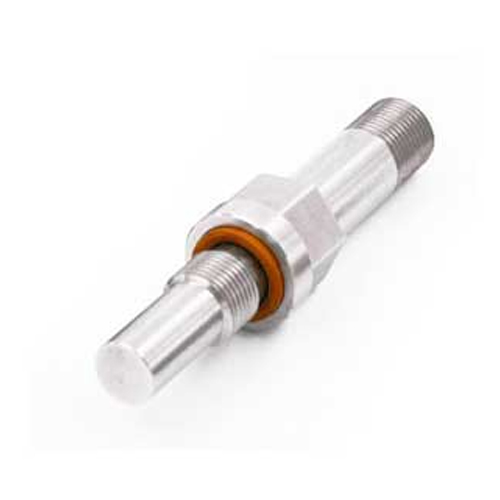
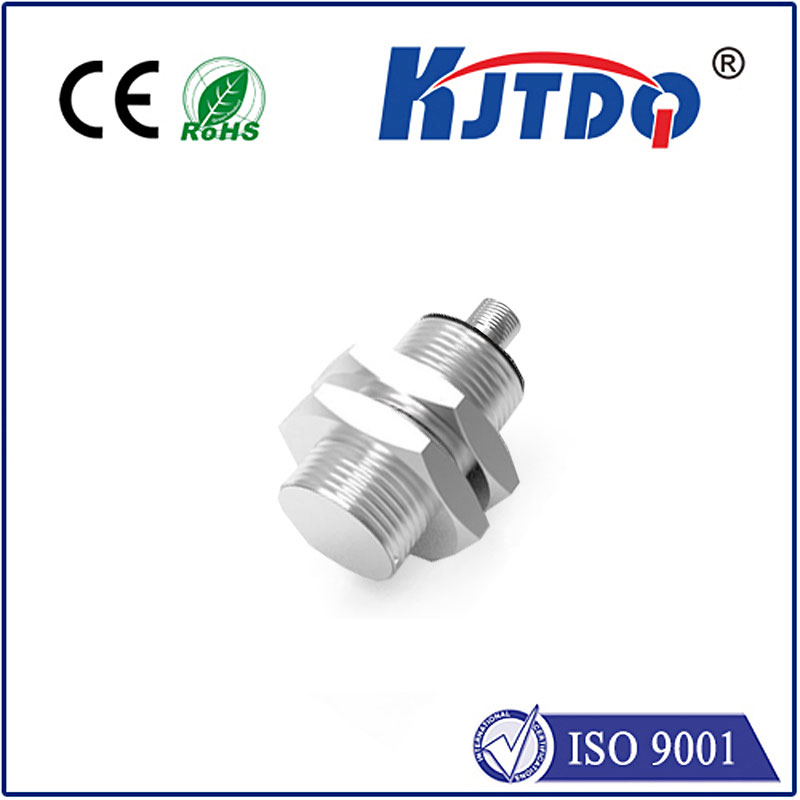
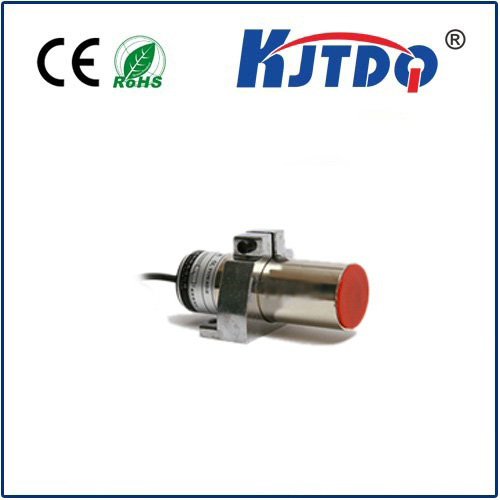
The LJA1M-5N1 is an inductive proximity sensor, a type renowned for its ability to detect metallic objects without physical contact. This non-contact operation is its foundational advantage, eliminating mechanical wear and tear, which directly translates to reduced maintenance costs and significantly extended service life. The "5N1" designation often relates to its specific sensing distance, electrical characteristics, and output configuration, making it suitable for a wide array of applications. Its compact and rugged housing is typically designed to withstand harsh industrial conditions, including exposure to oil, coolants, and metal chips commonly found in machining centers, assembly lines, and automated handling systems.
What truly sets the LJA1M-5N1 apart is its precision. In applications where positioning accuracy is paramount—such as in robotic arm end-effector alignment, conveyor belt object counting, or machine tool part presence verification—this sensor delivers consistent and repeatable detection. Its fast response time ensures that even high-speed processes are monitored without lag, preventing jams, misfeeds, or production errors. The reliability of its signal output, whether NPN or PNP transistor-based, provides a clean interface with Programmable Logic Controllers (PLCs) and other control systems, forming a critical link in the data chain of smart manufacturing.
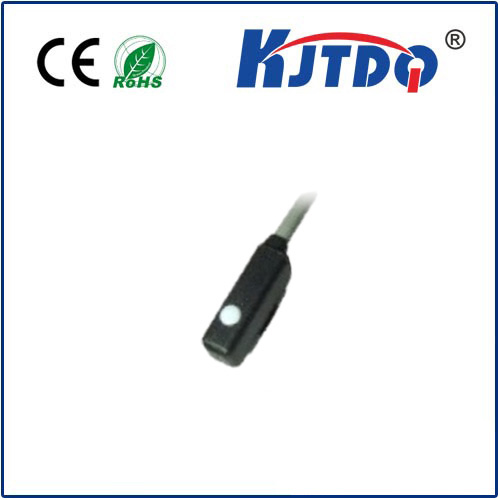
Installation and integration of the LJA1M-5N1 are straightforward, thanks to standardized mounting threads and clear connection diagrams. This user-friendly design minimizes downtime during setup or replacement. Furthermore, many models feature LED status indicators, offering immediate visual confirmation of operation and simplifying troubleshooting for maintenance personnel. This focus on practical usability ensures that the technological benefits are fully accessible on the shop floor.
The application scope for the LJA1M-5N1 is vast. Beyond classic manufacturing, it finds utility in packaging machinery to detect foil seals or metal lids, in automotive plants for verifying component placement, and in material handling for pallet positioning. Its ability to function reliably in challenging environments makes it a go-to component for engineers seeking to enhance system robustness. By ensuring that parts are present, positioned correctly, or counted accurately, this sensor directly contributes to improved Overall Equipment Effectiveness (OEE), reducing waste and boosting productivity.
When selecting a proximity sensor, factors like sensing range, target material, environmental resistance, and electrical requirements are critical. The LJA1M-5N1 is engineered with these considerations in mind, offering a balanced specification sheet that meets the needs of complex industrial tasks. It represents not just a component, but a strategic investment in operational stability. For system integrators and plant managers, choosing a proven performer like this model mitigates risk and supports long-term, uninterrupted production.
In conclusion, the LJA1M-5N1 proximity sensor is more than just a switch; it is a fundamental enabler of automation precision and reliability. Its design prioritizes durability, accuracy, and seamless integration, addressing the core demands of modern industry. For any operation looking to fortify its sensing capabilities with a dependable and high-performing component, the LJA1M-5N1 presents a compelling and technically superior choice, ensuring that machines not only operate but excel.