check

check

check

check

check

check
In modern industrial automation, the integration of precision components is paramount for enhancing efficiency and reliability. Among these, the proximity sensor cylinder stands out as a critical innovation, seamlessly merging sensing capabilities with pneumatic actuation. This combination revolutionizes how machines detect and respond to positional changes, offering a streamlined solution for complex manufacturing environments.
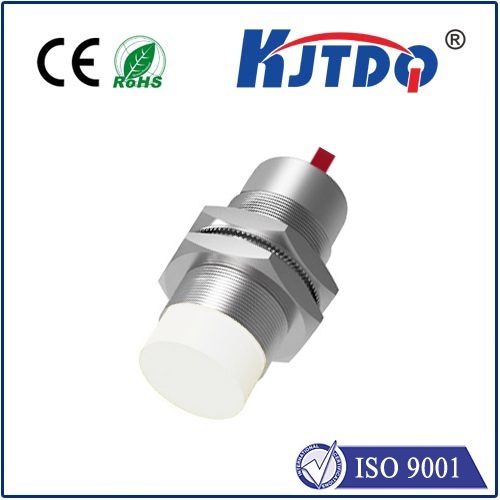
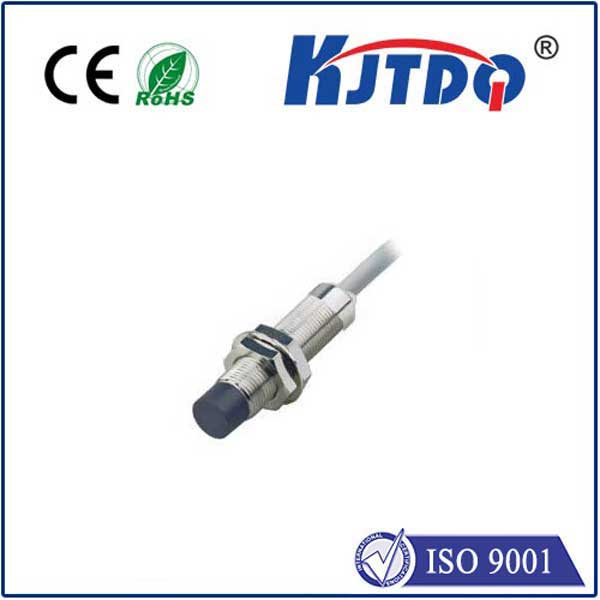
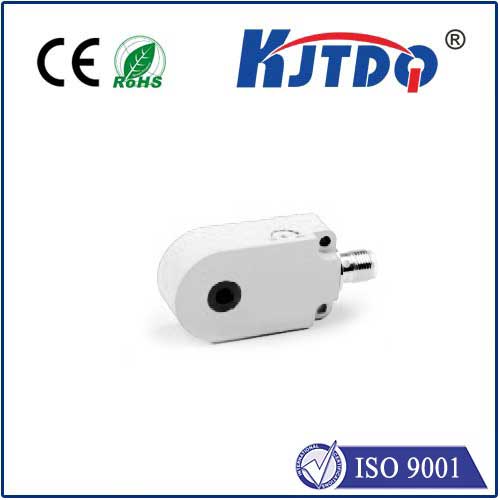
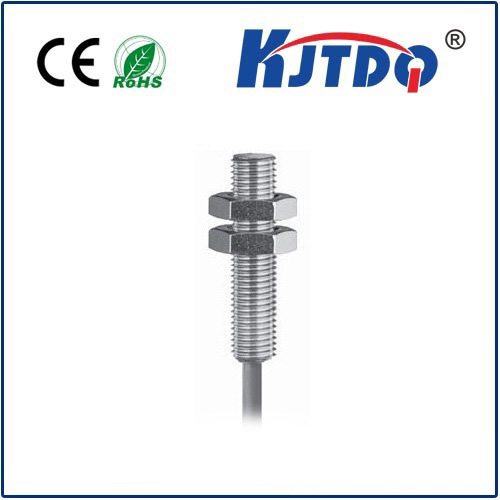
A proximity sensor cylinder typically consists of a standard pneumatic cylinder equipped with embedded sensors, such as inductive or capacitive types, that detect the presence or position of the piston without physical contact. This non-contact operation minimizes wear and tear, extending the lifespan of the equipment and reducing maintenance costs. The sensors are integrated into the cylinder body, providing real-time feedback on piston movement, which is essential for precise control in applications like assembly lines, packaging systems, and robotic arms.
The advantages of using proximity sensor cylinders are multifaceted. Firstly, they enhance accuracy by providing immediate data on cylinder position, enabling faster cycle times and improved product quality. In high-speed operations, even minor delays can lead to significant inefficiencies; these cylinders help mitigate such issues by ensuring synchronized movements. Secondly, their compact design saves space in machinery layouts, as separate sensors and mounting hardware are eliminated. This integration simplifies installation and reduces wiring complexity, leading to cleaner and more organized systems.
Moreover, proximity sensor cylinders contribute to increased safety in industrial settings. By monitoring piston positions accurately, they can trigger alarms or shutdowns if anomalies are detected, preventing potential accidents or damage. For instance, in automated presses or clamping devices, precise positioning ensures that tools engage only when intended, safeguarding both equipment and operators. This proactive approach aligns with industry standards for workplace safety and automation protocols.
When selecting a proximity sensor cylinder, several factors should be considered. The type of sensor—inductive for metal detection or capacitive for non-metallic materials—must match the application requirements. Environmental conditions, such as temperature extremes, humidity, or exposure to chemicals, also influence durability and performance. Additionally, compatibility with existing control systems, like PLCs (Programmable Logic Controllers), is crucial for seamless integration. Manufacturers often provide customizable options, including different stroke lengths, bore sizes, and output signals (e.g., PNP or NPN), to suit diverse operational needs.
In practice, proximity sensor cylinders have proven invaluable across various sectors. In automotive manufacturing, they ensure precise positioning of components during welding or assembly, reducing errors and rework. In food and beverage processing, their hygienic designs resist contamination, supporting compliance with strict regulations. Even in logistics, these cylinders optimize conveyor belt operations by detecting item presence and adjusting speeds accordingly, enhancing throughput.
Looking ahead, advancements in IoT (Internet of Things) and smart factory initiatives are driving further evolution. Proximity sensor cylinders with digital interfaces can now transmit data to cloud-based platforms for predictive maintenance, analyzing trends to foresee failures before they occur. This connectivity supports Industry 4.0 goals, fostering more adaptive and efficient production ecosystems. As industries continue to prioritize automation, the role of these cylinders will only expand, offering greater precision and intelligence in motion control.
To maximize benefits, regular maintenance is recommended, including checking sensor alignment and cleaning surfaces to prevent false readings. Training personnel on proper usage and troubleshooting can also reduce downtime. Ultimately, investing in high-quality proximity sensor cylinders from reputable suppliers ensures long-term reliability, contributing to a competitive edge in today's fast-paced industrial landscape. By embracing this technology, businesses can achieve higher productivity, reduced costs, and enhanced operational flexibility, paving the way for future innovations in automation.