check

check

check

check

check

check
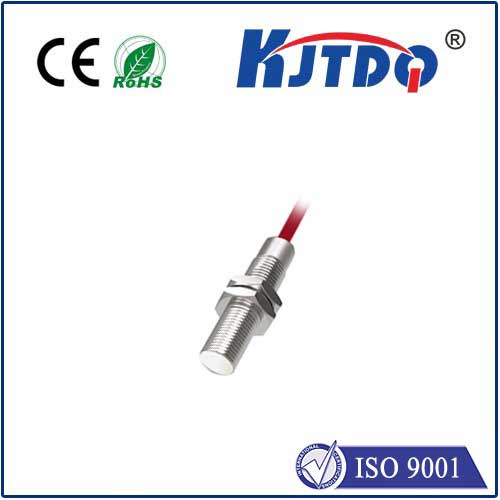
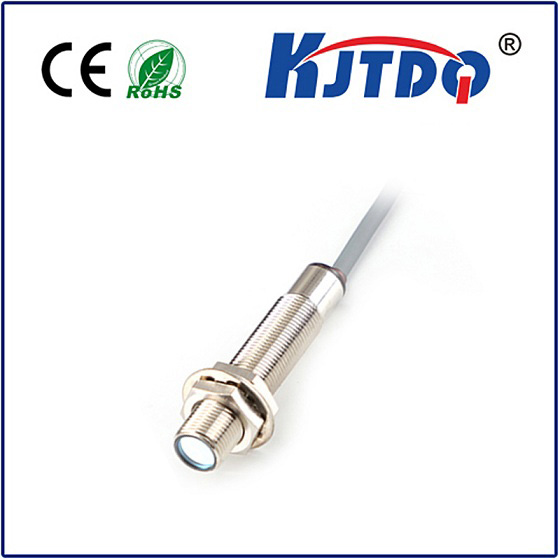
In the intricate world of industrial automation and smart device design, precision and reliability are non-negotiable. Among the myriad of sensing technologies available, the capacitive proximity sensor with a 20mm sensing range stands out as a versatile and robust solution for countless applications. This guide delves into the core principles, advantages, and practical uses of this specific sensor type, providing essential insights for engineers and decision-makers.
At its heart, a capacitive proximity sensor operates by generating an electrostatic field. Unlike its inductive counterpart which detects only metals, a capacitive sensor reacts to the presence of any material that alters this field—be it liquids, plastics, wood, granules, or metals. The "20mm" specification refers to its nominal sensing distance. This range is particularly significant; it offers a optimal balance between detection capability and physical size, allowing for flexible integration into machinery without requiring extreme proximity to the target object. The sensor detects the target by measuring the capacitance change between its active face and the ground. When an object enters the sensing field, it alters the dielectric constant, leading to a detectable shift in oscillation amplitude or frequency, which triggers the sensor's output switch.
The benefits of implementing a 20mm capacitive proximity sensor are substantial. First and foremost is its material versatility. This makes it indispensable in industries like packaging, where it can detect plastic bottles or glass vials on a conveyor, or in food processing to sense levels of powders or liquids through non-metallic container walls. Its ability to ignore color and transparency further enhances reliability. Secondly, these sensors are renowned for their stability and long service life. With no moving parts and minimal mechanical wear, they offer consistent performance in demanding environments. Many models feature robust housings with high IP ratings, making them resistant to dust, moisture, and even chemical splashes, which is crucial for washdown areas in pharmaceutical or beverage plants.
Practical applications are vast and varied. A common use is in level detection within silos or tanks, where the sensor can reliably indicate when a material like grain, plastic pellets, or liquid has reached a predetermined point. In assembly lines, they ensure correct positioning of components, regardless of the material. Another growing application is in human-machine interfaces and touch-sensitive controls, leveraging the same principle to detect a finger's proximity. The 20mm range provides a safe and effective distance for such interactions. When selecting a sensor for a specific task, engineers must consider factors beyond just the range. The target material's dielectric constant, the required response speed, the operating voltage, and the output type (PNP/NPN, analog) are all critical. Environmental conditions such as temperature extremes, potential contaminants, and electrical noise must also be evaluated to ensure optimal sensor choice and mounting.
Installation and maintenance, while straightforward, require attention to detail. Ensuring a stable mounting, free from excessive vibration, is key. It is also vital to account for the sensor's "blind zone" – the area immediately in front of the active face where detection is not possible. Furthermore, avoiding interference from other conductive objects in the background or adjacent to the sensing field prevents false triggering. Regular cleaning of the sensor face from buildup of dust or residue maintains its sensitivity and accuracy over time.
In conclusion, the capacitive proximity sensor with a 20mm sensing distance is a fundamental component in modern industrial and electronic systems. Its unique ability to detect a wide array of materials non-contact, coupled with its durability and precision, solves complex detection challenges across sectors from manufacturing and logistics to consumer electronics. By understanding its operating principles and application nuances, professionals can harness its full potential to create more efficient, reliable, and intelligent automated solutions.