check

check

check

check
check
check
check
check

check
check
Imagine a critical hydraulic press cycling thousands of times daily. Inside, pressures soar, temperatures fluctuate, and relentless vibration pounds. A standard sensor might falter, leading to costly downtime or even catastrophic failure. This is precisely the arena where the BES01NZ high pressure proximity sensor excels. Engineered for resilience and unwavering accuracy in the harshest industrial settings, this sensor isn’t just a component; it’s a guardian of process integrity and machine uptime. Understanding its unique capabilities empowers engineers to design systems that thrive under pressure – literally and figuratively.
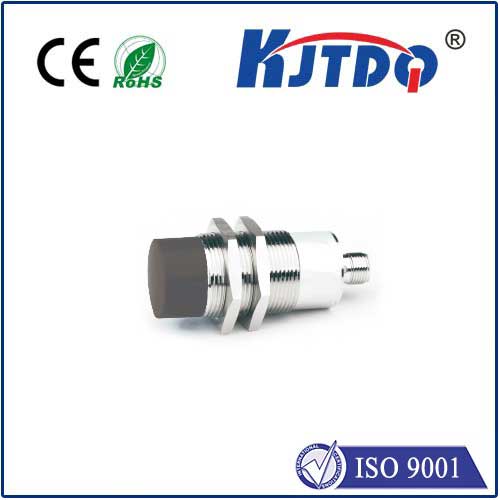
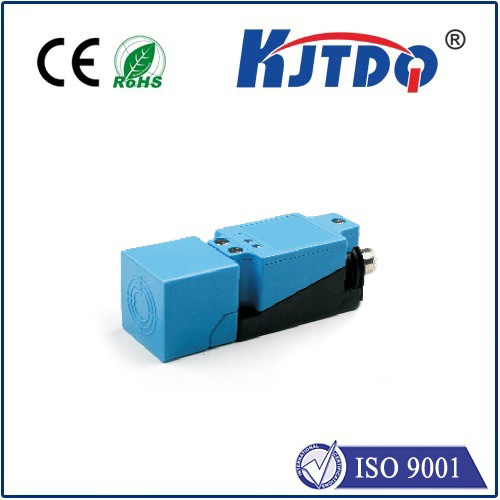
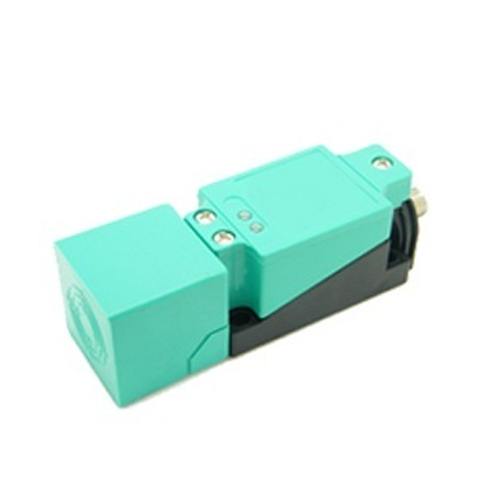
At its core, the BES01NZ functions as an inductive proximity sensor. This means it detects the presence or absence of metallic targets without physical contact, generating an electromagnetic field. When a metal object enters this field, eddy currents are induced within the target, causing a detectable shift in the sensor’s oscillation amplitude. This reliable non-contact sensing principle eliminates mechanical wear and tear, inherently boosting longevity – a crucial factor in high-pressure applications where replacement access can be difficult and expensive.
So, what truly defines a “high pressure proximity sensor,” and how does the BES01NZ meet this demanding specification? Standard proximity sensors are designed for nominal pressure environments. However, applications submerged in hydraulic fluid tanks, embedded within high-pressure die-casting machines, operating inside plastic injection molding units, or functioning within heavy-duty presses expose sensors to extreme external pressures. These forces can easily compromise standard sensor housings, leading to ingress of liquids, crushed components, or distorted sensing fields, resulting in erratic signals or complete failure.
The BES01NZ distinguishes itself through its robust pressure-resistant construction. Key features include:
Where does the BES01NZ truly prove its worth? Its unique blend of pressure resistance, environmental sealing, and robust inductive sensing makes it indispensable in several critical sectors:
Choosing the BES01NZ, or any high-pressure proximity sensor, requires careful consideration beyond just pressure rating. Key selection factors include:
For engineers and maintenance professionals grappling with sensing needs in extreme conditions, the BES01NZ high pressure proximity sensor offers a proven, reliable solution. Its engineered resilience directly translates into enhanced operational reliability, reduced downtime caused by sensor failure, lower maintenance costs, and improved overall safety. By enabling precise detection where standard sensors would fail, it becomes a foundational element for building robust, efficient, and dependable systems that operate unflinching under immense pressure. Integrating this specialized sensor is a strategic investment in performance predictability and longevity for critical high-pressure processes.