check

check
check

check
check

check
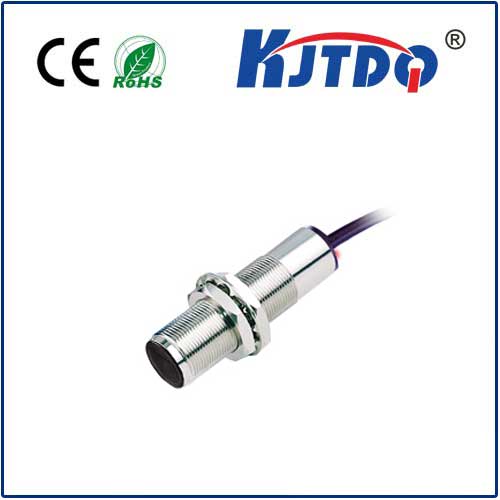
In recent years, human-robot collaboration (HRC) has become an increasingly important part of modern industrial and service applications. One of the critical components of HRC is the ability of robots to detect obstacles and interact safely with humans. This is where bracket-mounted proximity sensors come into play, offering significant improvements in detection performance and flexibility. In this article, we will explore the role of bracket-mounted proximity sensors in enhancing HRC, their key benefits, and some practical considerations for their implementation.
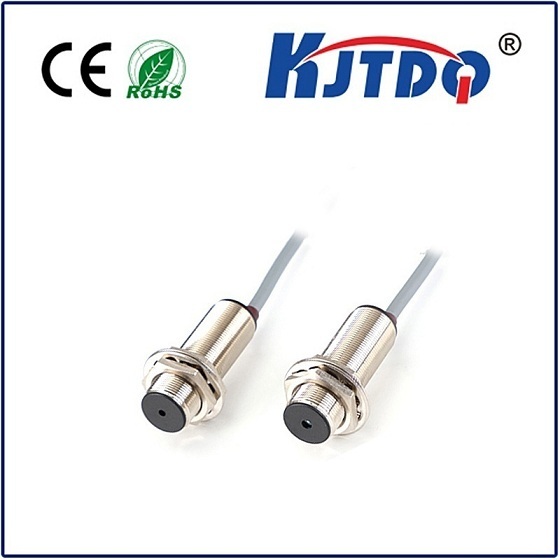
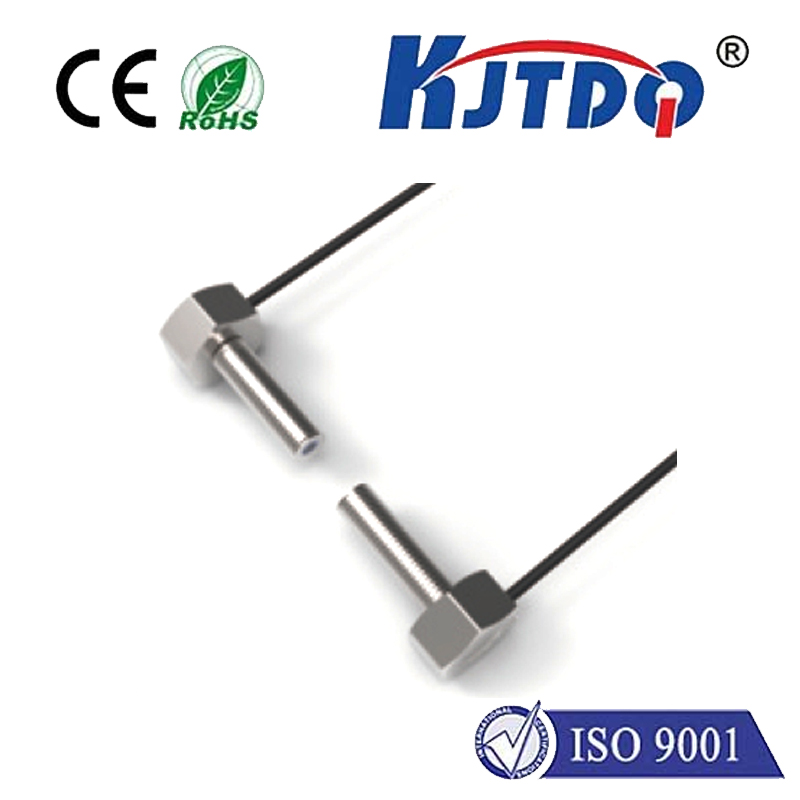
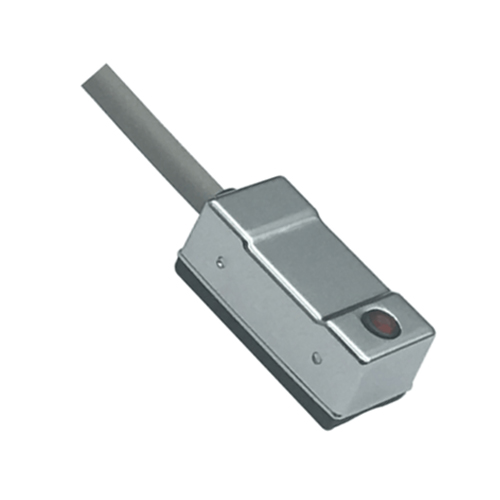
Proximity sensors are devices that detect the presence of nearby objects without any physical contact. They are essential for safety and efficiency in environments where humans and robots work closely together. These sensors can help prevent accidents by stopping robot movements or adjusting their paths when an obstacle, such as a human operator, comes too close. Bracket-mounted proximity sensors are specifically designed to be attached to various parts of a robot, typically on its arms or other moving components. This mounting configuration allows for optimal placement and coverage, ensuring that the sensors can effectively monitor the surrounding environment and provide real-time feedback to the robot’s control system.
Using fewer but well-placed proximity sensors can be more cost-effective than using a large number of sensors scattered throughout the robot. Bracket-mounted sensors allow for targeted detection, reducing the need for excess sensors and lowering overall system costs.
Additionally, optimized sensor placement can lead to longer sensor lifespan since each sensor is used efficiently and not overburdened by unnecessary tasks.
When implementing bracket-mounted proximity sensors in an HRC setup, there are several factors to consider to ensure their effectiveness: