check
check

check

check
check
check
check
check

check

check
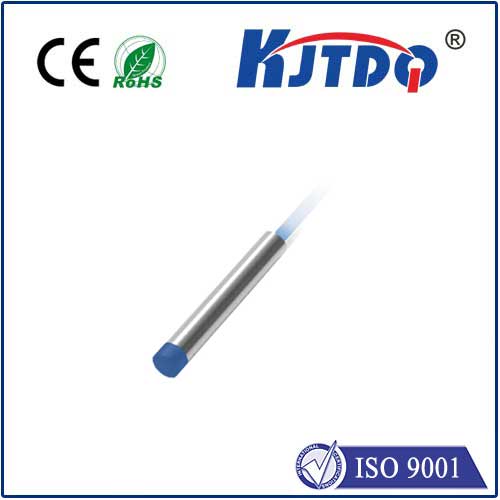
In the ever-evolving landscape of sensor technology, proximity sensors play a vital role in various applications, ranging from automation and robotics to consumer electronics. These sensors are designed to detect the presence or absence of objects without any physical contact. One particular type of proximity sensor that is gaining significant attention is the one with a 360-degree detection angle. In this article, we will delve into the details of these advanced sensors, their applications, benefits, and the underlying technology that makes them possible. Understanding Proximity Sensors Proximity sensors come in different variations, such as inductive, capacitive, photoelectric, and ultrasonic. Each type has its unique mode of operation and application area. However, they all share the common goal of accurately detecting objects in close proximity. The 360-degree detection angle refers to the sensor’s ability to cover an extensive area around it, ensuring no blind spots in its detection zone. Applications of 360-Degree Proximity Sensors