check
check

check

check
check
check
check
check

check

check
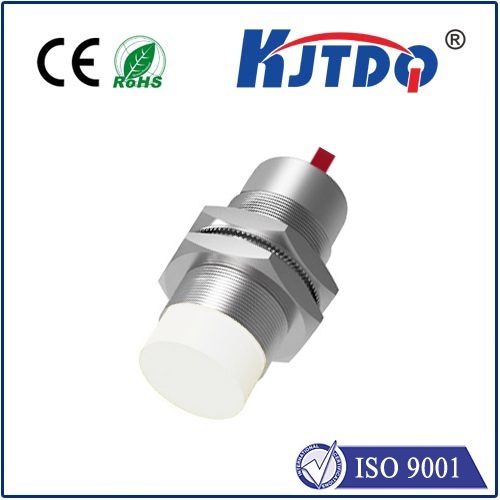
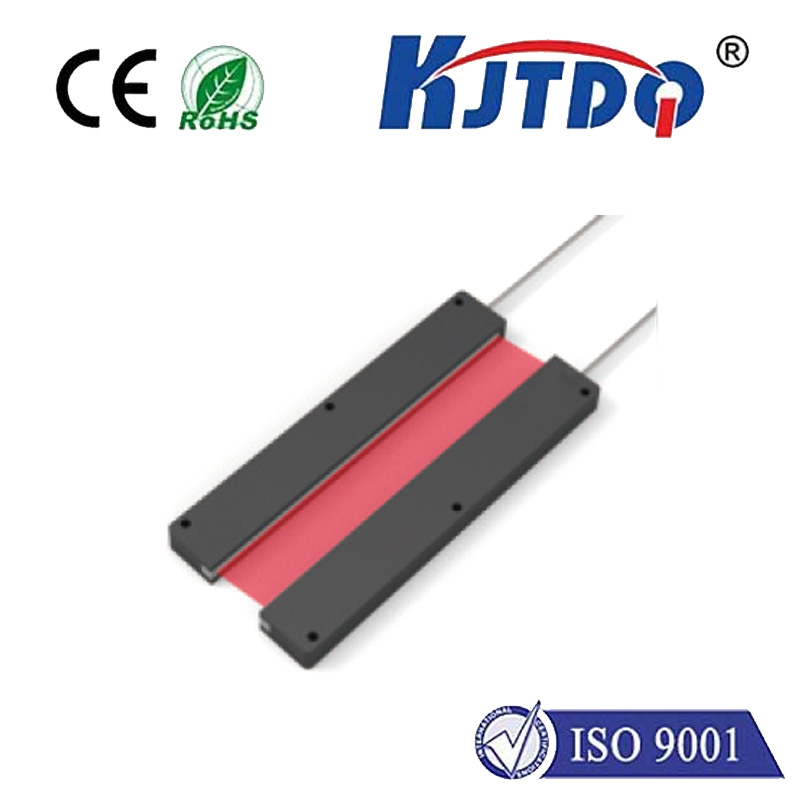
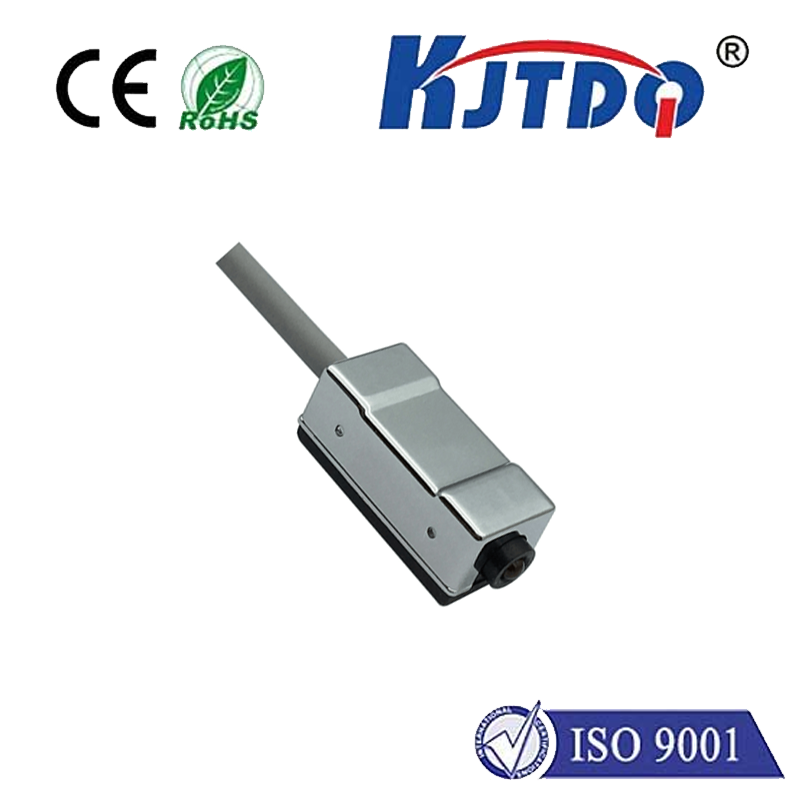
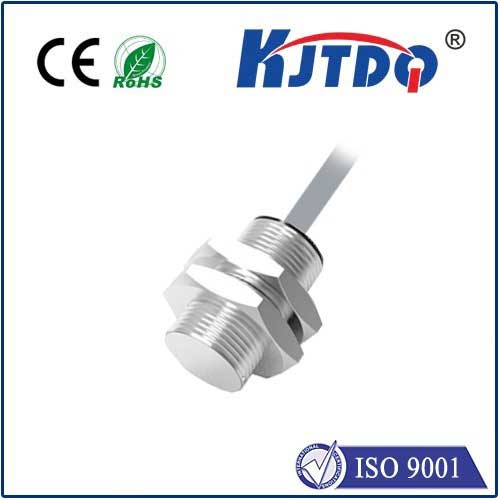
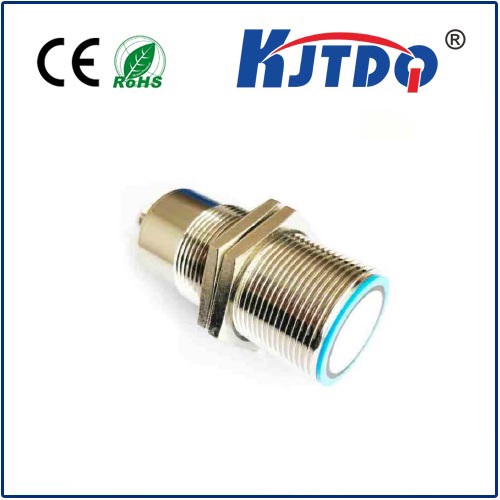
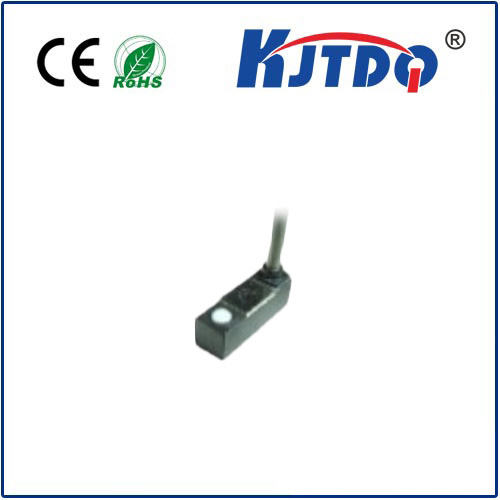
The Ultimate Guide to Flush Proximity Sensors: Enhancing Efficiency and Modernization in Everyday Applications In today’s fast-paced, technology-driven world, the seamless integration of innovative devices into everyday life has become increasingly crucial. Among these groundbreaking technologies, flush proximity sensors stand out as a testament to modern ingenuity and practicality. These advanced sensors are revolutionizing various sectors, from smart homes to industrial automation, by providing efficient, touchless, and highly accurate detection capabilities. This comprehensive guide delves into everything you need to know about flush proximity sensors, exploring their functionalities, applications, benefits, and installation tips. Understanding Flush Proximity Sensors: How They Work At its core, a flush proximity sensor operates on the principle of detecting the presence or absence of an object within a specified distance without physical contact. Unlike traditional sensors that rely on pressure or mechanical triggers, flush proximity sensors use electromagnetic fields (capacitive or inductive) to sense changes near their surface. When an object approaches the sensor’s field, it alters the electromagnetic properties, prompting the device to generate a response. This response can be a simple signal output for digital systems or a more complex interaction, depending on the design and programming of the sensor. Applications Across Industries The versatility of flush proximity sensors makes them indispensable across multiple industries. Here are some key areas where they excel: