check
check

check

check
check
check
check
check

check

check
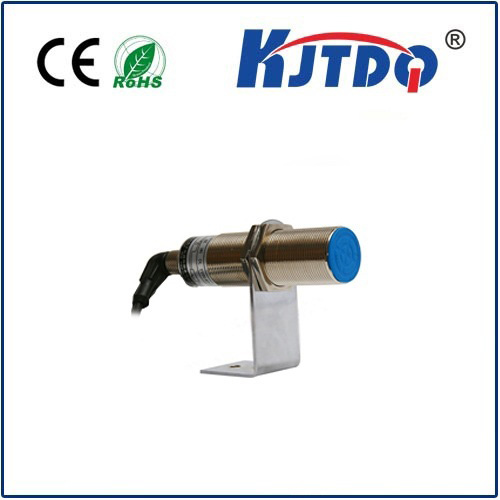
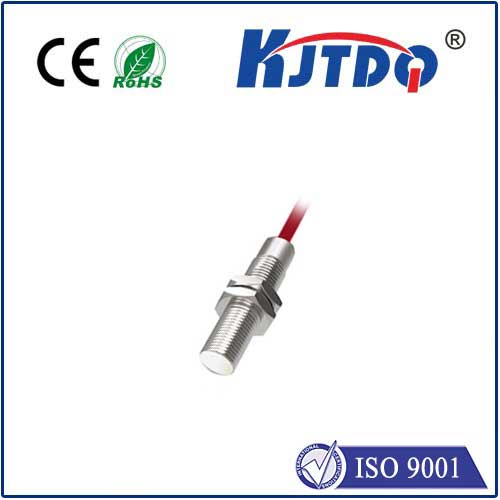
Title: Harnessing the Power of Capacitive Proximity Sensors: Revolutionizing Automation and Control Introduction: In an era where automation and precision are paramount, capacitive proximity sensors stand as silent yet powerful guardians, ensuring seamless operations across a myriad of industries. These sensors have emerged as indispensable tools in modern technology, providing reliable detection without the need for physical contact, thus enhancing efficiency and longevity of machinery. In this article, we delve into the workings, applications, and advantages of capacitive prox sensors that make them a game-changer in today’s automated world. Understanding Capacitive Proximity Sensors At their core, capacitive proximity sensors operate based on the principle of capacitance variation. Unlike traditional inductive or photoelectric sensors, they detect changes in the electrical field caused by the presence or absence of a target object. When an object (with a different dielectric constant than air) approaches the sensor, it alters the capacitance between two electrodes within the sensor. This change is then converted into an electrical signal, indicating the proximity of the object. The beauty of these sensors lies in their ability to detect various materials including metal, plastic, glass, and liquids, making them incredibly versatile. Applications Across Industries The versatility of capacitive proximity sensors has led to their widespread adoption across diverse sectors: