check

check
check

check
check
check
check
check

check

check
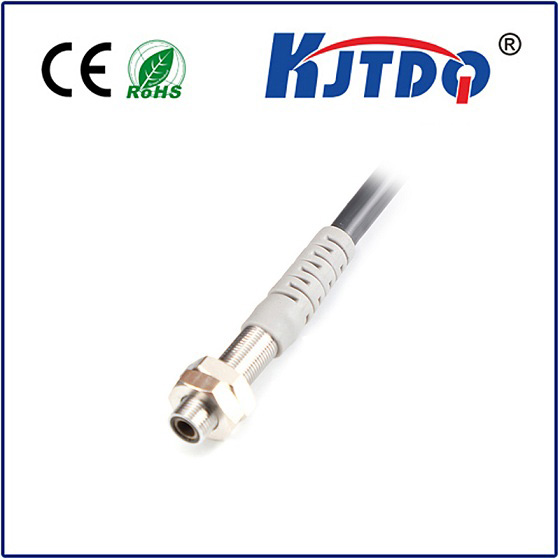
Exploring the Versatility of 360 Proximity Sensors: Revolutionizing Safety and Efficiency In today’s fast-paced world, technology plays an integral role in enhancing safety, efficiency, and convenience across various industries. One such technological marvel is the 360 proximity sensor, a device that has significantly redefined how we perceive and interact with our environment. This article delves into the functionalities, benefits, and diverse applications of 360 proximity sensors, shedding light on their pivotal role in modern automation and security systems. Understanding 360 Proximity Sensors At its core, a 360 proximity sensor is designed to detect objects or persons within a certain range around it, regardless of their position relative to the sensor. Unlike traditional sensors that operate within a limited field of view, these advanced devices employ multiple sensing elements arranged in a circular pattern, enabling comprehensive detection coverage. This omnidirectional capability ensures no blind spots, making them ideal for environments where precise monitoring and rapid response are crucial. Key Features and Advantages The primary advantage of 360 proximity sensors lies in their ability to provide real-time, accurate data across a wide area, facilitating immediate decision-making processes. These sensors are typically non-contact, meaning they can measure distance without physical interaction, thereby minimizing wear and tear and extending the lifespan of both the sensor and the monitored objects. Additionally, they offer high sensitivity, adjustable detection ranges, and the ability to function under various conditions, including dust, dirt, or low light. Applications Across Industries