check

check
check

check
check
check
check
check

check

check
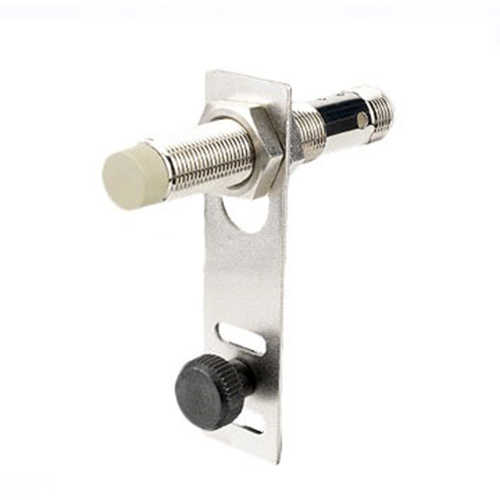
Exploring the Versatility of 230V Proximity Sensors: An In-Depth Analysis In the realm of industrial automation and control systems, the importance of accurate sensing technology cannot be overstated. Among the myriad options available, 230V proximity sensors stand out for their robust performance and versatility. These sensors play a crucial role in ensuring seamless operations across various applications by detecting the presence or absence of objects without physical contact. Let’s delve into the world of 230V proximity sensors, exploring their functionality, applications, benefits, and key considerations when selecting the right sensor for your needs. Understanding 230V Proximity Sensors At its core, a 230V proximity sensor is an electronic device designed to detect nearby objects within a specified distance using electromagnetic fields rather than mechanical contact. The “230V” refers to the voltage rating of these sensors, indicating they are compatible with standard industrial power supplies. This high voltage requirement ensures reliable operation even in environments with significant electrical noise or where long cable runs are necessary. These sensors typically operate based on principles such as capacitive, inductive, or magnetic sensing, depending on the model. Capacitive sensors respond to changes in the dielectric properties of materials near the sensing face, making them suitable for detecting non-metallic objects. Inductive sensors, on the other hand, rely on variations in the electromagnetic field caused by metal objects, ideal for metal detection tasks. Applications Across Industries The adaptability of 230V proximity sensors makes them invaluable in numerous industries: