check
check

check

check
check
check
check
check

check

check

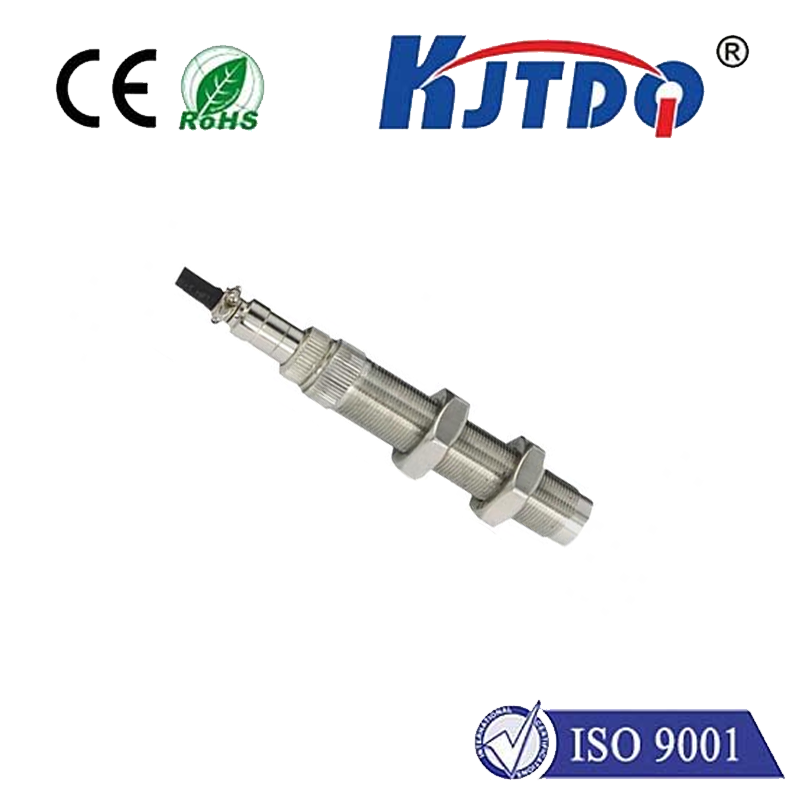
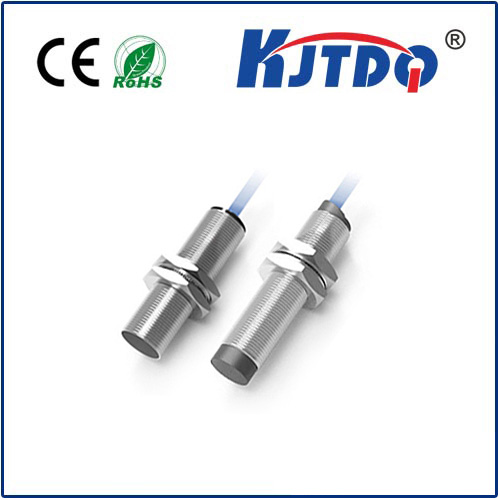
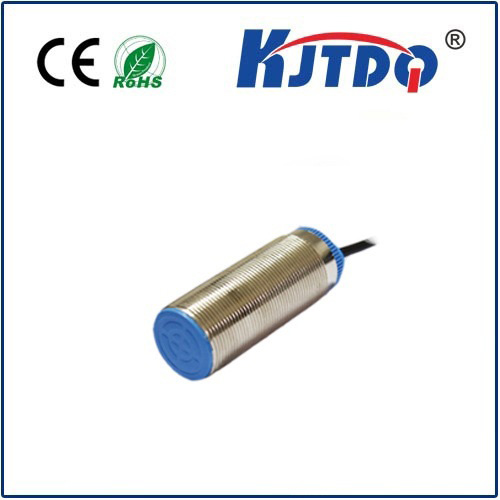
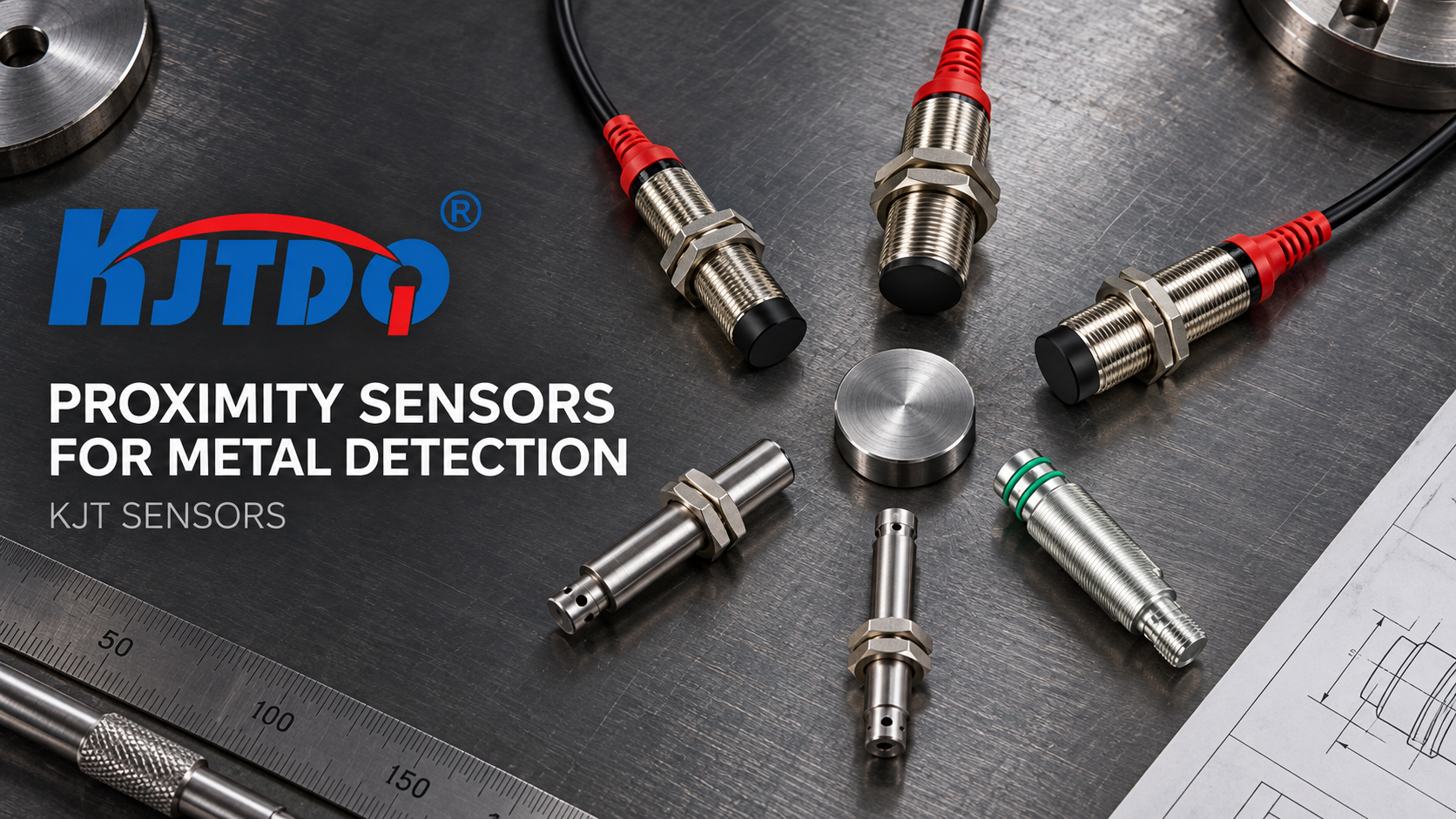
Unlocking the Potential of the BES01R5 Inductive Proximity Sensor: A Comprehensive Guide In the realm of automation and sensing technologies, the BES01R5 inductive proximity sensor stands as a paragon of reliability and efficiency. Designed to detect metallic objects within a non-contact range, this sensor has become an indispensable tool across various industries, from manufacturing and automotive to aerospace and beyond. This article delves into the workings, applications, benefits, and key features of the BES01R5 inductive proximity sensor, illuminating why it remains a top choice for engineers and designers seeking precision and performance. Understanding the Basics: How It Works At its core, the BES01R5 operates on the principle of electromagnetic induction. When an electrically conductive object approaches the sensor’s oscillating magnetic field, it alters the field’s characteristics, triggering an internal circuit that generates a signal indicating the presence or absence of the target object. This non-contact method ensures longevity and minimizes wear and tear, making it ideal for high-frequency applications. Key Features That Set It Apart The BES01R5 boasts several features that contribute to its widespread adoption: