check

check

check

check
check
check
check
check

check
check

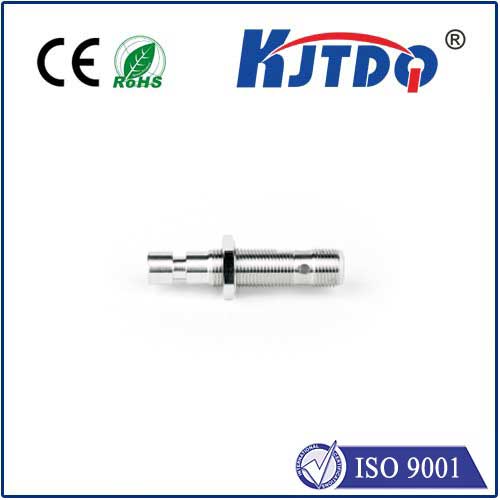
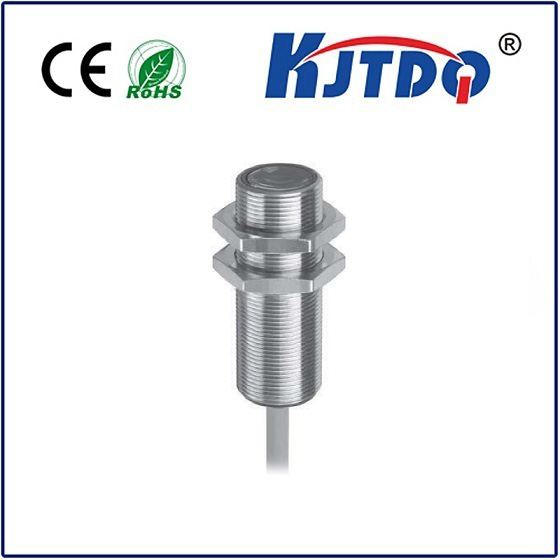
Title: Harnessing the Power of Electromagnetic Induction Sensors: A Comprehensive Guide In an era where technology is seamlessly integrated into our daily lives, understanding the mechanisms that power various devices can be both fascinating and enlightening. One such mechanism, electromagnetic induction sensors, plays a crucial role in numerous applications ranging from industrial automation to consumer electronics. This article aims to provide a clear and insightful overview of what electromagnetic induction sensors are, how they work, their applications, and the benefits they offer. Understanding Electromagnetic Induction Sensors At its core, an electromagnetic induction sensor operates based on the principle of electromagnetic induction, discovered by Michael Faraday in 1831. When a changing magnetic field passes through a coil or a conductive loop, it induces an electromotive force (EMF) or voltage across the coil. This phenomenon is the foundational principle behind transformers and electric generators. Electromagnetic induction sensors capitalize on this principle by detecting changes in the magnetic field caused by metal objects passing near them. They consist of a coil of wire wrapped around a core, which generates a magnetic field when an alternating current (AC) is applied to it. When a metallic object comes into proximity with the sensor, it disturbs the magnetic field, causing a change in inductance—the property of a conductor by which it opposes changes in current flow through the circuit. This change in inductance results in a corresponding change in electrical properties, which the sensor detects and converts into a usable output signal. How Do Electromagnetic Induction Sensors Work? The working mechanism of electromagnetic induction sensors involves several steps: