check

check

check

check
check
check
check
check

check
check

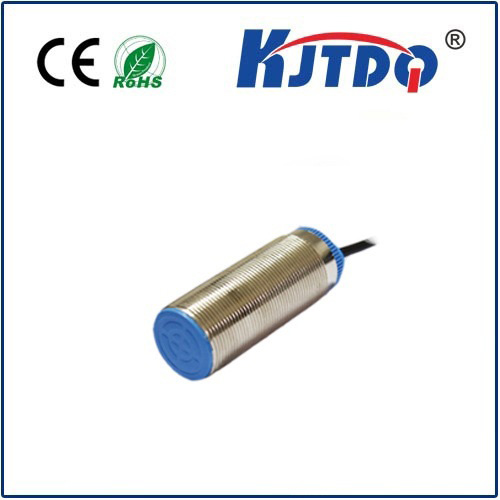
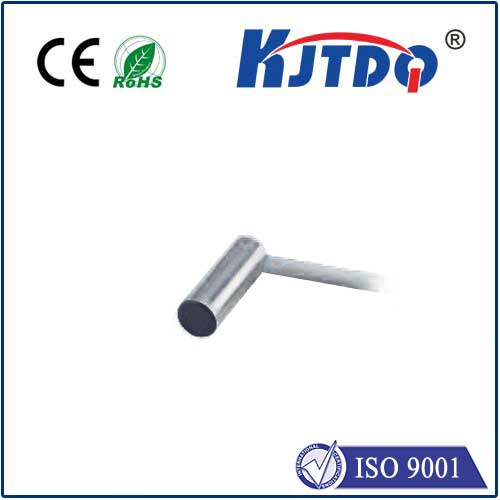
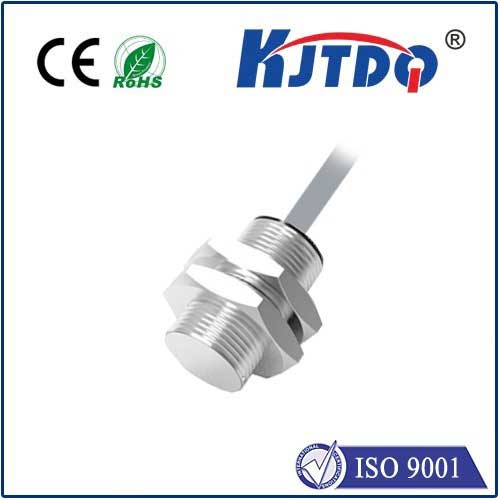
In today’s fast-paced technological landscape, the role of electromagnetic proximity sensors cannot be overstated. These devices, designed to detect the presence or absence of objects without any physical contact, have revolutionized various industries by providing accurate positioning and monitoring capabilities. How Electromagnetic Proximity Sensors Work Electromagnetic proximity sensors operate based on the principle of electromagnetism. When an object comes within close range of the sensor’s face, it disrupts the magnetic field generated by the sensor’s oscillator circuit. This disruption is then converted into an electrical signal, which can be further processed and analyzed to determine the proximity of the object. There are two main types of electromagnetic proximity sensors: inductive sensors and capacitive sensors. Inductive sensors are primarily used for metallic objects, while capacitive sensors can detect both metallic and non-metallic materials due to the changes in the electric field they induce. Applications Across Various Industries