check

check

check

check
check
check
check
check
check

check
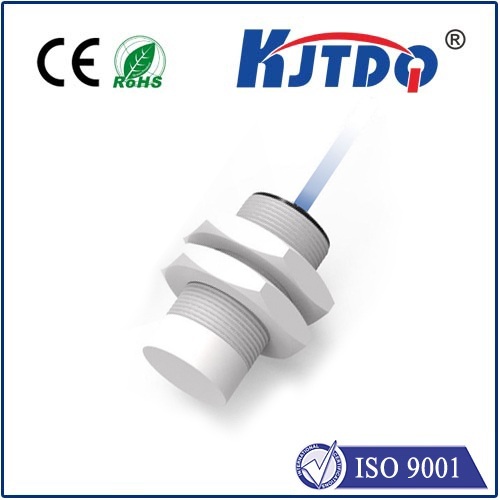
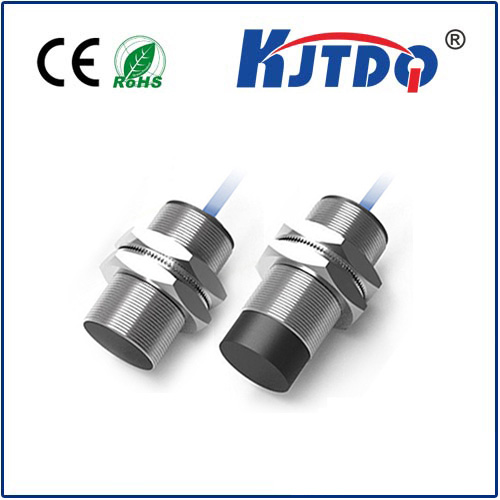
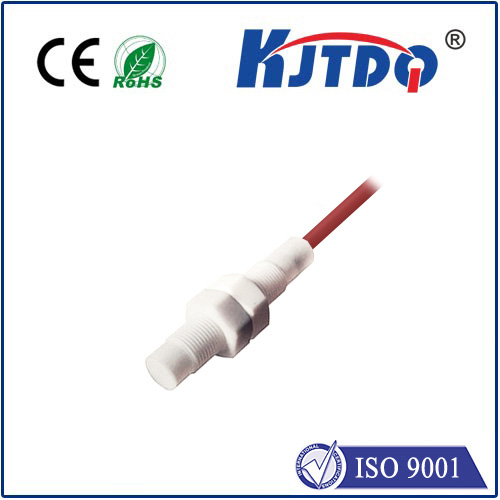
In the intricate world of industrial automation and precision engineering, the demand for seamless, reliable, and space-conscious sensing solutions is ever-growing. Among the most critical components meeting this demand is the embeddable flush proximity sensor. This sophisticated device is engineered to be mounted completely flush with its surrounding surface, eliminating any protruding parts. This design is not merely an aesthetic choice; it is a fundamental feature that addresses key operational challenges in harsh and demanding environments.
The primary advantage of an embeddable flush-mounted design is its exceptional resilience. In applications involving fast-moving objects on production lines, conveyor systems, or automated guided vehicles (AGVs), a protruding sensor is vulnerable. It can be easily sheared off, damaged by impact, or accumulate debris that interferes with its operation. A flush sensor, sitting perfectly level with a machine housing or mounting bracket, is inherently protected from such physical damage. This drastically reduces downtime for maintenance and replacement, leading to significant cost savings and improved overall equipment effectiveness (OEE).
Furthermore, the flush installation is crucial for hygiene and cleanliness in industries like food and beverage processing or pharmaceutical manufacturing. Protrusions create ledges and crevices where contaminants, moisture, or product residue can collect, posing sanitation risks. An embeddable flush sensor presents a smooth, uninterrupted surface that is easy to clean and sterilize, complying with stringent industry standards and ensuring product purity.
The "proximity" functionality of these sensors is equally vital. Utilizing technologies like inductive sensing for metal targets or capacitive sensing for non-metallic materials, they detect the presence or absence of an object without any physical contact. This non-contact operation means there is no wear and tear on the sensor or the target, ensuring a long operational life and consistent accuracy. They are ideal for tasks such as precise position verification, end-of-travel detection, counting, and jam detection in machinery.
When selecting an embeddable flush proximity sensor, several technical specifications demand careful consideration. The sensing range, while typically shorter for flush models compared to non-flush versions, must be precisely matched to the application. The housing material is critical; stainless steel variants, for instance, offer superior corrosion resistance for wet or chemically aggressive environments. The electrical output type—whether NPN, PNP, or analog—must be compatible with the existing control system, such as a programmable logic controller (PLC). Environmental ratings, particularly the Ingress Protection (IP) rating, indicate the level of protection against dust and water, which is paramount for reliability.
Real-world applications are vast and varied. In metalworking and CNC machining, these sensors provide accurate tool positioning and workpiece detection. In packaging machinery, they ensure cartons are correctly positioned for sealing or labeling. Within the automotive sector, they play a silent but crucial role in robotic assembly lines, verifying component placement. Their robust and compact nature also makes them perfect for integration directly into custom machinery and tight spaces where traditional sensors cannot fit.
Installation is straightforward but requires precision. A correctly sized counterbore hole must be machined to allow the sensor's face to sit perfectly flush. Proper alignment and secure mounting are essential to achieve the specified sensing performance and to maintain the protective benefits of the flush design. Following the manufacturer's guidelines for mounting, wiring, and environmental limits is non-negotiable for optimal performance and safety.
In conclusion, the embeddable flush proximity sensor is a cornerstone of modern, robust automation design. It masterfully solves the dual challenges of achieving reliable non-contact sensing while surviving in physically demanding and space-constrained applications. By offering enhanced durability, improved hygiene, and seamless integration, this technology empowers engineers to build smarter, more resilient, and more efficient automated systems. For any project where reliability, space, and environmental resistance are key, specifying an embeddable flush proximity sensor is a strategic decision that pays dividends in long-term performance and operational continuity.