check

check

check

check
check
check
check
check
check

check
In industrial settings where flammable gases, vapors, or combustible dusts are present, safety is not just a priority—it is an absolute necessity. Equipment failure or a single spark can lead to catastrophic consequences. This is where specialized components, designed to operate reliably under such extreme conditions, become critical. The ATEX certified proximity sensor stands as a prime example of this essential safety technology, providing precise detection without compromising the integrity of the hazardous area.
ATEX, derived from the French "ATmosphères EXplosives," is a set of European Union directives that regulate equipment and protective systems intended for use in potentially explosive atmospheres. An ATEX certification is not merely a suggestion; it is a mandatory requirement for electrical and mechanical devices operating in these zones. It signifies that the sensor has undergone rigorous testing and meets stringent standards for construction, performance, and safety to prevent it from becoming an ignition source.
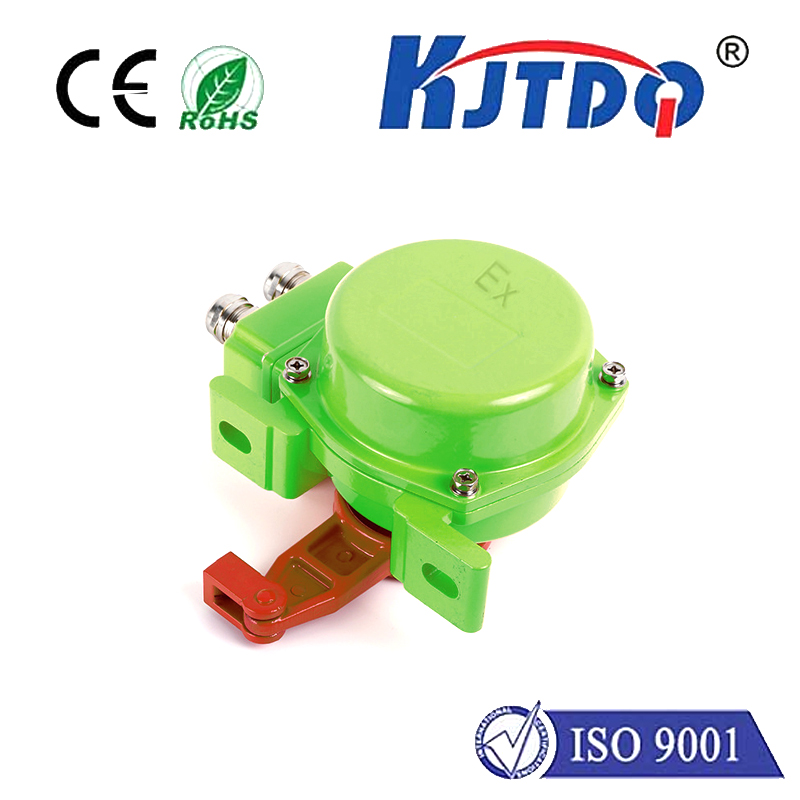
The core function of a proximity sensor is to detect the presence or absence of an object without physical contact, typically using electromagnetic fields, light, or sound. In standard environments, this is a straightforward task. However, within an ATEX zone, the sensor's entire design philosophy shifts. Every aspect, from the housing material and sealing to internal circuitry and connection methods, is engineered to contain any potential electrical or thermal energy that could ignite the surrounding atmosphere.
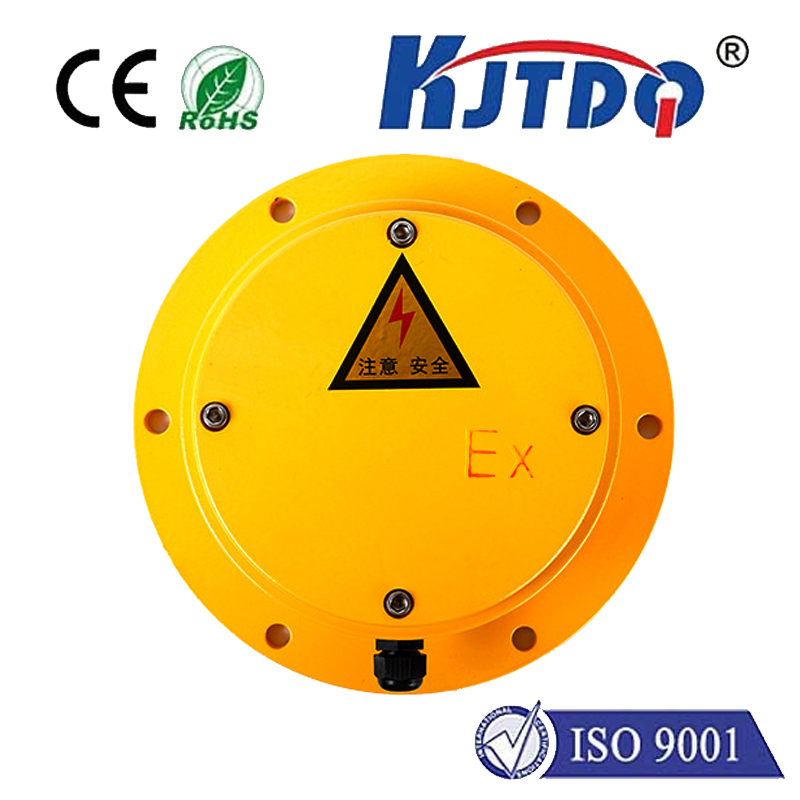
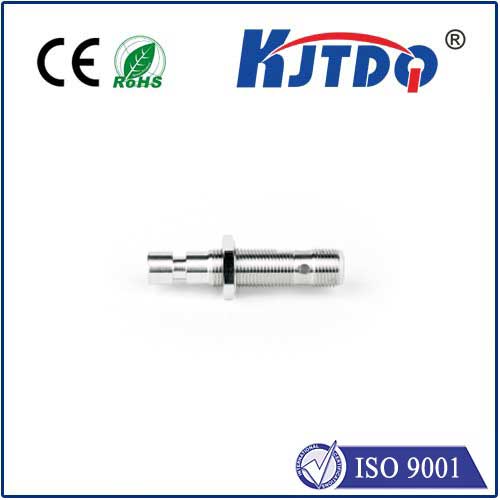
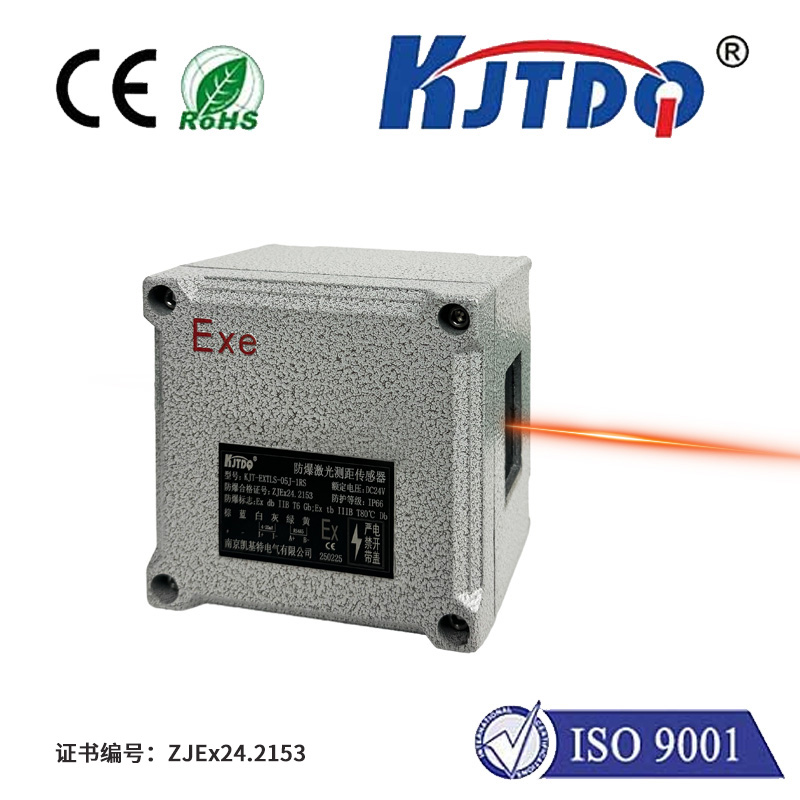
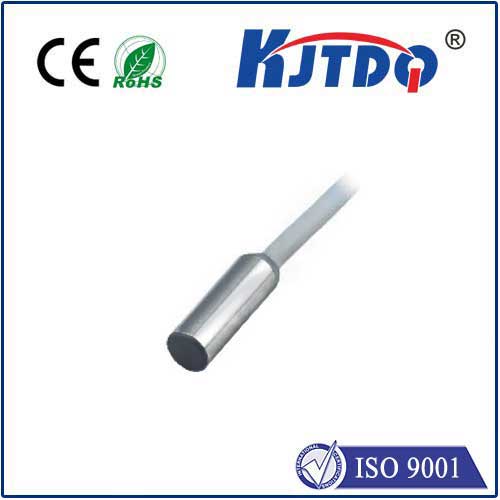
An ATEX certified proximity sensor is built with robust, often stainless steel or brass, housings that can withstand corrosion and mechanical impact. The sealing, usually achieved through precision machining and high-grade gaskets, ensures an ingress protection (IP) rating that prevents explosive gases or dust from entering the enclosure. Internally, components are potted or designed with intrinsic safety barriers. Intrinsic safety is a key protection concept, limiting the electrical and thermal energy within the circuit to levels below what is required to ignite a specific hazardous substance.
The applications for these rugged sensors are vast and vital across numerous high-risk industries. In oil and gas refineries, they monitor valve positions, detect tank levels, and control robotic arms on drilling platforms. Within chemical and pharmaceutical plants, they ensure precise positioning in mixing vessels and packaging lines where volatile solvents are used. Grain silos, wood processing facilities, and sugar mills utilize ATEX sensors to monitor equipment in areas laden with combustible dust. Even in paint spray booths or areas where fine metal powders are handled, these sensors provide reliable operation.
Choosing the right ATEX certified proximity sensor requires careful consideration of several parameters beyond just the detection range and output type. The specific zone classification (Zone 0, 1, 2 for gases; Zone 20, 21, 22 for dust) dictates the required protection level (e.g., Ex ia, Ex d, Ex m). The sensor's temperature class (T1 to T6) indicates the maximum surface temperature it will reach during operation or fault conditions, which must be below the auto-ignition temperature of the specific gas or dust present. Material compatibility with the process media is also crucial to avoid degradation.
Implementing these sensors correctly is as important as selecting them. Installation must follow the manufacturer's guidelines and relevant electrical codes for hazardous areas. This includes using certified cable glands, proper grounding, and ensuring the connected control system is also rated for the same ATEX category. Regular maintenance and inspection are mandatory to check for any damage to the housing, seals, or cabling that could compromise the safety integrity.
The investment in ATEX certified equipment, including proximity sensors, is fundamentally an investment in operational safety, asset protection, and regulatory compliance. The cost of a sensor is negligible compared to the potential financial and human cost of an incident. Furthermore, using certified equipment minimizes downtime risks associated with regulatory inspections and shutdown orders.
In conclusion, in the demanding landscape of hazardous industrial environments, standard sensors pose an unacceptable risk. The ATEX certified proximity sensor represents a sophisticated fusion of detection technology and explosive atmosphere engineering. It provides plant managers and engineers with a reliable, maintenance-friendly solution for automation tasks, all while upholding the highest safety standards. By ensuring that detection and control functions do not introduce ignition risks, these sensors form an invisible yet indispensable layer of protection, safeguarding personnel, facilities, and continuity of operations every single day.