check

check

check

check
check
check
check
check

check
check
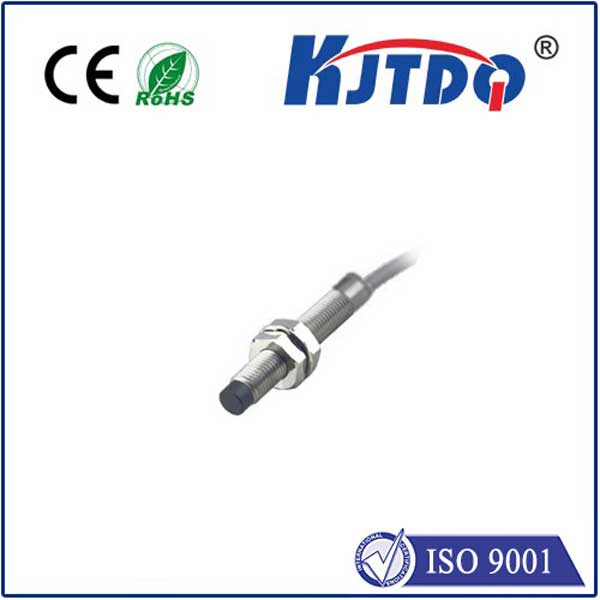
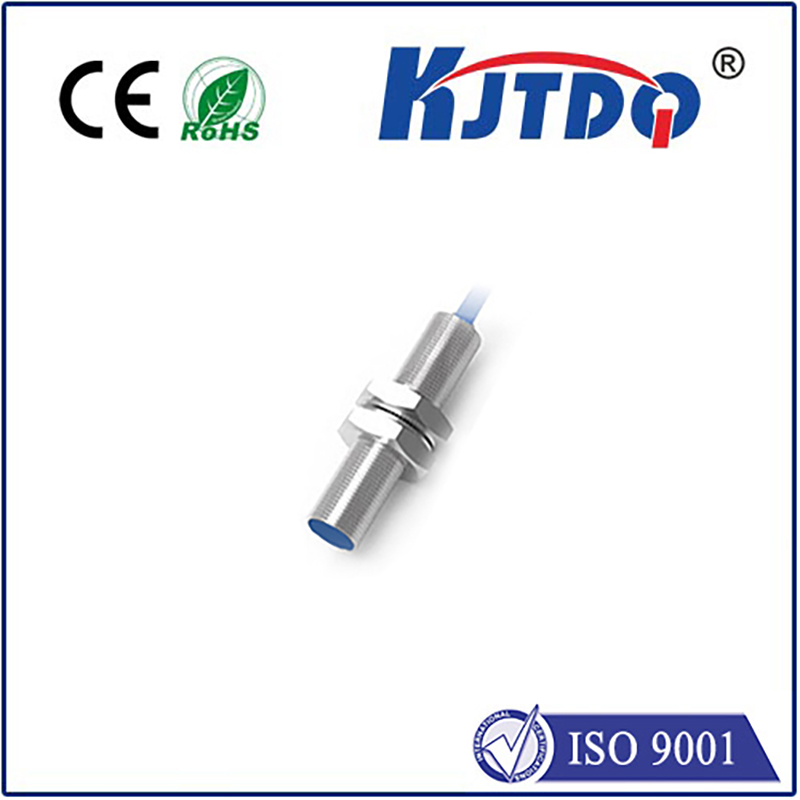
In modern industrial environments, machinery and equipment are often subjected to continuous vibrations from motors, conveyors, and other operational processes. These vibrations pose a significant challenge for standard sensing technologies, frequently leading to false triggers, signal noise, and premature sensor failure. This is where the specialized vibration resistant proximity sensor becomes an indispensable component for ensuring operational continuity and data accuracy. The KJTDQ series represents a significant advancement in this field, engineered specifically to deliver unwavering performance where others falter.
The core innovation of a vibration resistant proximity sensor like the KJTDQ lies in its robust internal design and signal processing capabilities. Unlike conventional sensors, its internal circuitry and sensing element are mechanically isolated or dampened from external shock and vibration. This is often achieved through specialized mounting designs, potted electronics that resist movement, and advanced filtering algorithms that distinguish between true target detection and vibrational noise. The result is a sensor that maintains a stable sensing field, providing consistent and repeatable detection of metallic or non-metallic objects, even on shaking or oscillating platforms. This reliability is critical in applications such as robotic arm positioning, high-speed packaging lines, and CNC machining centers, where a single false signal can disrupt an entire production cycle.
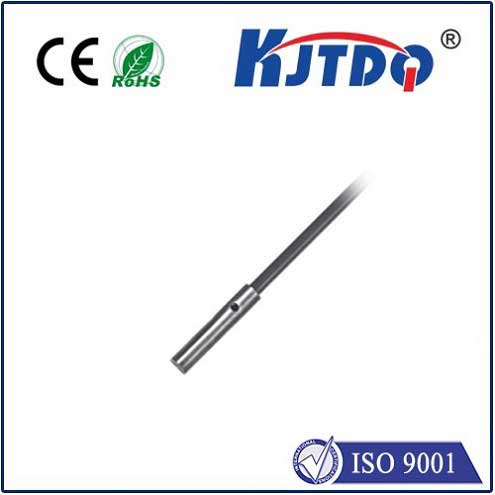
Durability is another hallmark of the KJTDQ vibration resistant proximity sensor. Constructed with high-grade stainless steel housings and ruggedized components, it is built to withstand not only constant vibration but also exposure to industrial contaminants like coolants, metal chips, and dust. This IP67 or higher ingress protection rating ensures long-term functionality in harsh settings, reducing maintenance downtime and replacement costs. The sensor's ability to perform accurately under duress directly translates to higher overall equipment effectiveness (OEE) for manufacturers.
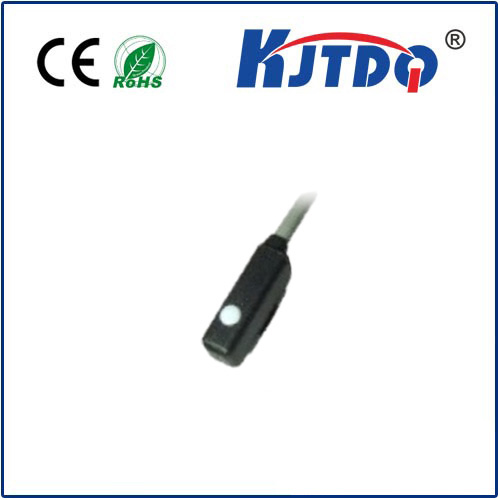
Installation and integration flexibility further enhance the value proposition of the KJTDQ sensor. Available in various form factors, including cylindrical and block styles, and with different output types (PNP/NPN, analog, IO-Link), it can be seamlessly incorporated into new or existing automation systems. Its vibration-resistant feature simplifies system design, as engineers no longer need to design complex external damping mounts or compromise on sensor placement. This plug-and-play reliability accelerates deployment and reduces engineering overhead.
From automotive assembly plants monitoring vibrating engine parts to lumber mills detecting logs on shaking conveyors, the applications are vast. The KJTDQ vibration resistant proximity sensor ensures that counting, positioning, and inspection tasks are performed with pinpoint accuracy. It provides the confidence that automation systems will behave as programmed, safeguarding product quality and optimizing throughput.
Ultimately, investing in a purpose-built vibration resistant proximity sensor is an investment in plant floor stability. The KJTDQ series goes beyond basic proximity detection; it delivers a foundation of reliable data upon which efficient and intelligent automation is built. By eliminating vibration-induced errors, it helps industries move closer to the goals of zero-defect manufacturing and predictive maintenance, ensuring that productivity is never compromised by the inherent dynamics of industrial motion.