check

check

check

check
check
check
check
check
check

check
In the dynamic landscape of industrial automation, the demand for robust and adaptable sensing solutions is paramount. Among these, the universal voltage input proximity sensor stands out as a cornerstone technology, offering unparalleled versatility and reliability. This article delves into the core functionalities, key advantages, and critical applications of these sensors, with a focus on how models like the KJTDQ series are revolutionizing operational efficiency.
At its essence, a universal voltage input proximity sensor is a non-contact detection device designed to operate across a wide range of supply voltages. Unlike traditional sensors that are often locked into specific voltage requirements (e.g., 12-24V DC or 110-230V AC), these advanced units can seamlessly function with inputs commonly spanning from 10V to 30V DC or even broader ranges, including AC/DC compatibility in some models. This inherent flexibility is a game-changer for system integrators and maintenance teams.
The primary benefit of this wide voltage acceptance is a significant reduction in complexity and inventory costs. Facilities often operate machinery from different eras and manufacturers, leading to a mix of control system voltages. Specifying a universal sensor eliminates the need to stock multiple sensor variants for different voltage rails. This simplifies procurement, reduces the risk of installation errors, and streamlines spare parts management. For global operations, it also mitigates issues related to regional power standards.
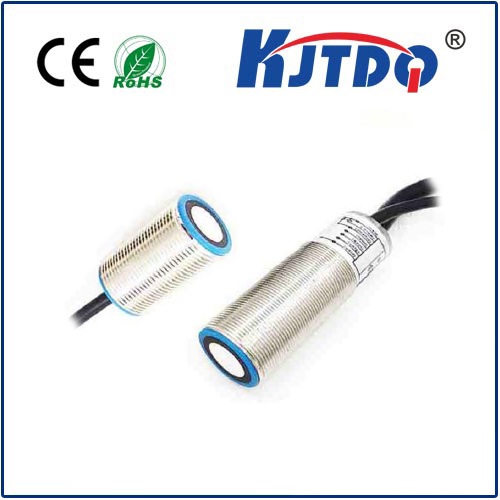
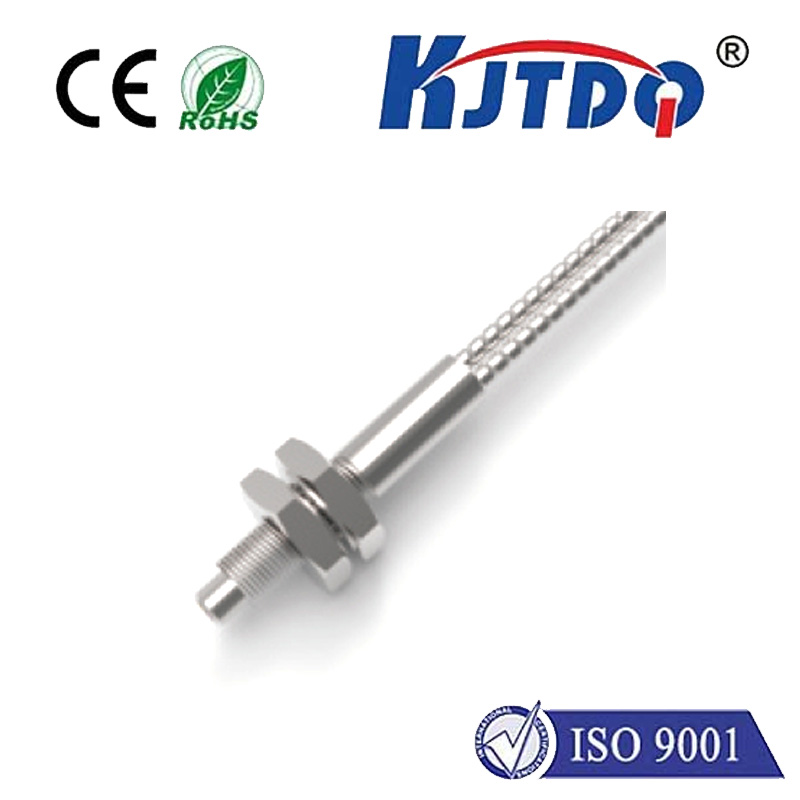
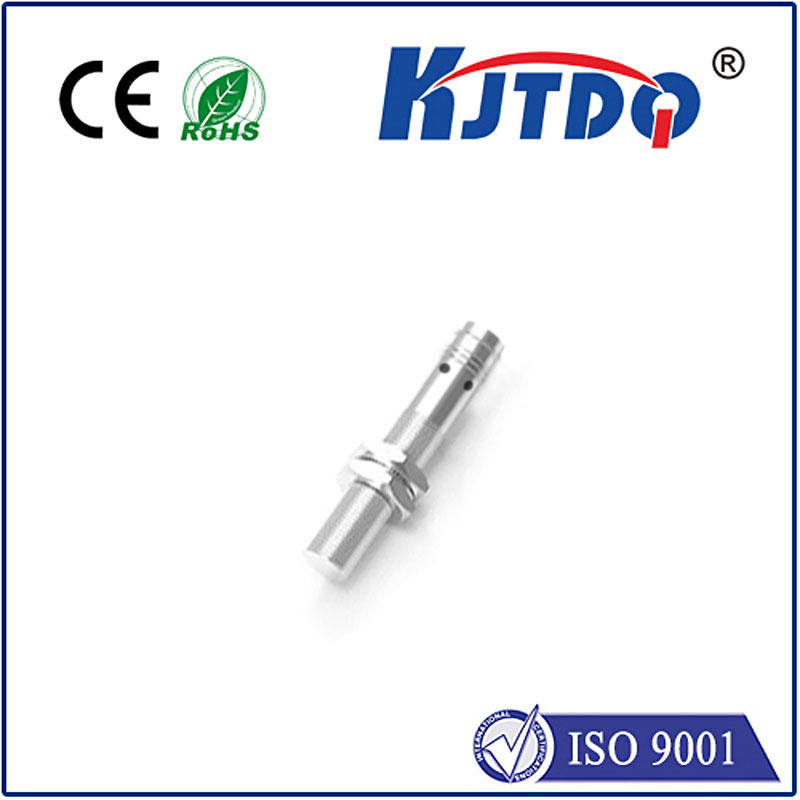
Beyond voltage flexibility, modern universal input sensors like the KJTDQ series are engineered for exceptional environmental resilience. They typically feature robust housings made from materials such as nickel-plated brass or stainless steel, offering high resistance to corrosion, impacts, and harsh industrial atmospheres. Many are fully sealed to IP67 or IP69K standards, ensuring reliable performance in the presence of dust, oils, coolants, and high-pressure washdowns common in food processing, automotive, and packaging industries.
Performance characteristics are equally impressive. These sensors provide consistent detection of metallic objects (ferrous and non-ferrous, depending on the type) with high switching frequencies and repeat accuracy. Features like short-circuit protection, reverse polarity protection, and immunity to electromagnetic interference are standard, safeguarding both the sensor and the connected control system from damage. The LED status indicator, often visible from multiple angles, provides immediate visual feedback for diagnostics, minimizing downtime.
The application spectrum for universal voltage input proximity sensors is vast. They are indispensable in conveyor systems for object counting, positioning, and jam detection. In automated assembly lines, they ensure precise part presence verification. Within material handling and robotics, they serve as end-position detectors and safety interlock components. Their durability makes them perfect for heavy machinery monitoring in sectors like mining, agriculture, and metal fabrication. Essentially, anywhere reliable, non-contact detection is needed in an electrically diverse or harsh environment, these sensors provide an optimal solution.
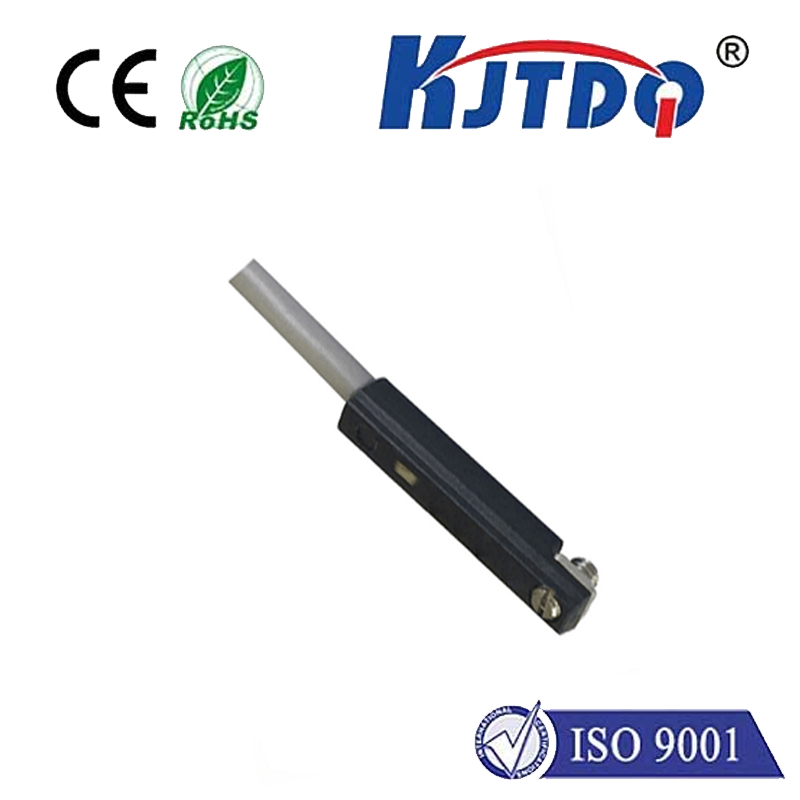
When selecting a sensor, key specifications to evaluate include the sensing distance, target material, output type (PNP/NPN, NO/NC), housing style (cylindrical, rectangular), and the specific voltage range. The KJTDQ model, for instance, exemplifies this category by combining a broad operating voltage with a rugged design and stable sensing performance, making it a dependable choice for upgrading existing systems or designing new, future-proof automation cells.
In conclusion, the adoption of universal voltage input proximity sensors represents a strategic move toward more flexible, cost-effective, and resilient industrial automation. By decoupling sensor selection from specific power supply constraints, they empower engineers to design simpler, more robust systems. As industries continue to push for higher uptime and lower total cost of ownership, versatile and reliable components like the KJTDQ proximity sensor will remain critical enablers of productivity and innovation.