check

check

check

check

check

check
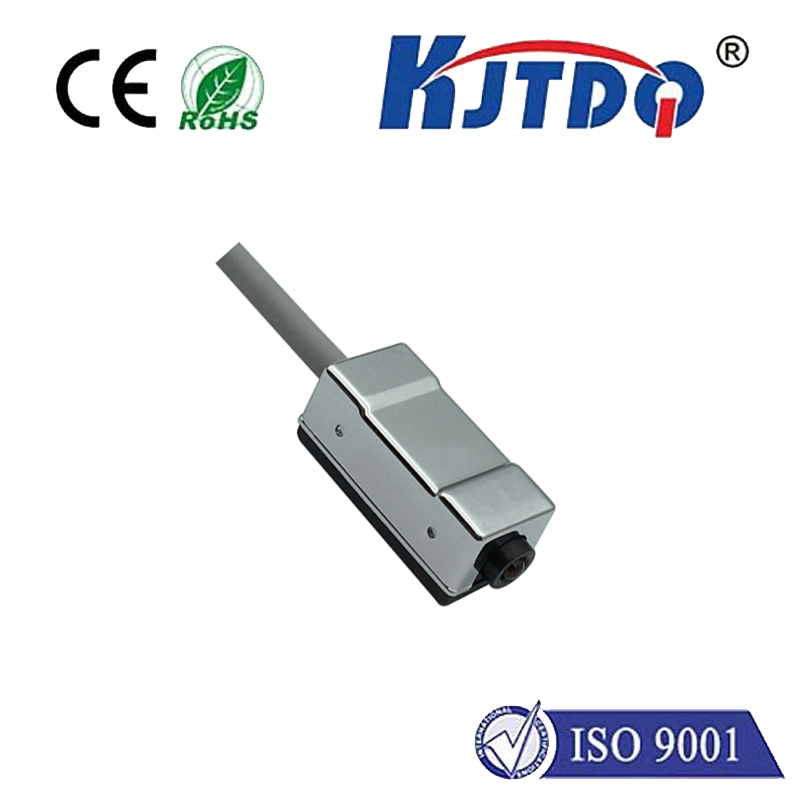
In industrial settings where flammable gases, vapors, or combustible dusts are present, safety is not just a priority—it is an absolute necessity. This is where the Explosion Proof Inductive Sensor, often designated with identifiers like KJTDQ, becomes an indispensable component. Unlike standard sensors, these specialized devices are engineered to operate reliably in hazardous locations without becoming a source of ignition, thereby protecting personnel, equipment, and facilities from catastrophic events.
The core principle behind an explosion proof inductive sensor is containment. The term "explosion proof" does not mean the device is immune to an internal explosion. Rather, it signifies that the sensor's housing is constructed to withstand and contain any explosion that might occur within its enclosure. This robust design prevents internal sparks or high temperatures from escaping and igniting the surrounding hazardous atmosphere. The inductive sensing element itself is a non-contact technology that detects the presence or absence of metallic objects. It generates an electromagnetic field, and when a metal target enters this field, it induces eddy currents that are detected by the sensor, triggering an output signal. By encasing this precise electronics in a rugged, flame-path enclosure, the sensor maintains its critical detection function while meeting stringent safety certifications.
The applications for explosion proof inductive sensors are vast and critical. They are ubiquitous in industries such as oil and gas refineries, chemical and pharmaceutical processing plants, grain handling and storage facilities, mining operations, and paint or spray booths. In these environments, they perform essential tasks like position detection of valves, pistons, or doors; monitoring level limits in tanks or silos; counting metallic parts on conveyor systems; and ensuring machine guarding and safety interlocking. The reliability of these sensors directly impacts operational continuity and safety protocols. A failure could lead to unplanned downtime, production loss, or, in the worst case, a safety incident.
When selecting an explosion proof inductive sensor like the KJTDQ series, several key specifications demand attention. First and foremost are the safety ratings. Look for certifications such as ATEX (for Europe), IECEx (international), or UL/CSA (for North America), which define the specific zones (e.g., Zone 1, Zone 21) and gas/dust groups the sensor is approved for. The housing material, typically stainless steel or brass with high-grade sealing, is crucial for durability and corrosion resistance. Sensing range, response frequency, and output type (PNP/NPN, analog, IO-Link) should match the application requirements. Environmental factors like operating temperature range, ingress protection (IP) rating against dust and water, and resistance to shock and vibration are also paramount for long-term performance in harsh conditions.
The integration of modern technologies has further enhanced the value proposition of these sensors. Many contemporary models feature advanced diagnostics, such as short-circuit and overload protection, LED status indicators for health monitoring, and even predictive maintenance capabilities through smart communication protocols. This intelligence allows for proactive system management, reducing unexpected failures and maintenance costs. Furthermore, the design of sensors like the KJTDQ often emphasizes easy installation and adjustment, saving valuable time during setup and commissioning.
Ultimately, investing in a high-quality explosion proof inductive sensor is an investment in risk mitigation and operational excellence. It goes beyond mere compliance with regulations; it embodies a commitment to creating a fundamentally safer workplace. By providing accurate, dependable detection in the most challenging environments, these sensors form a silent yet vital layer of protection. They enable automation and control systems to function with confidence, ensuring that productivity and safety are not mutually exclusive goals but are achieved in tandem. For engineers and plant managers overseeing hazardous area operations, specifying and maintaining certified explosion proof components like the KJTDQ inductive sensor is a critical responsibility and a cornerstone of sustainable industrial practice.