check

check

check

check
check
check
check
check

check
check
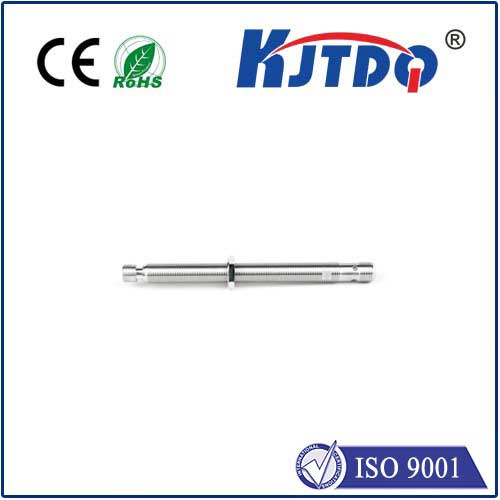
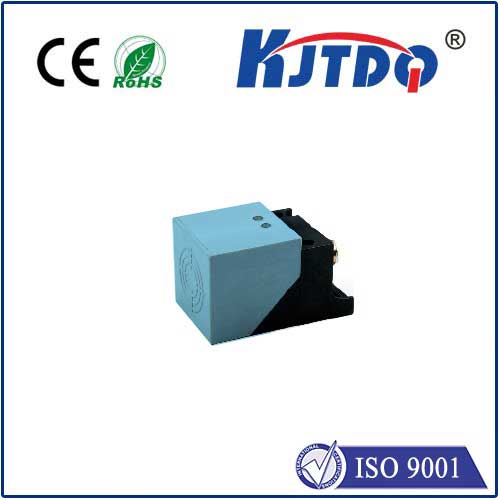
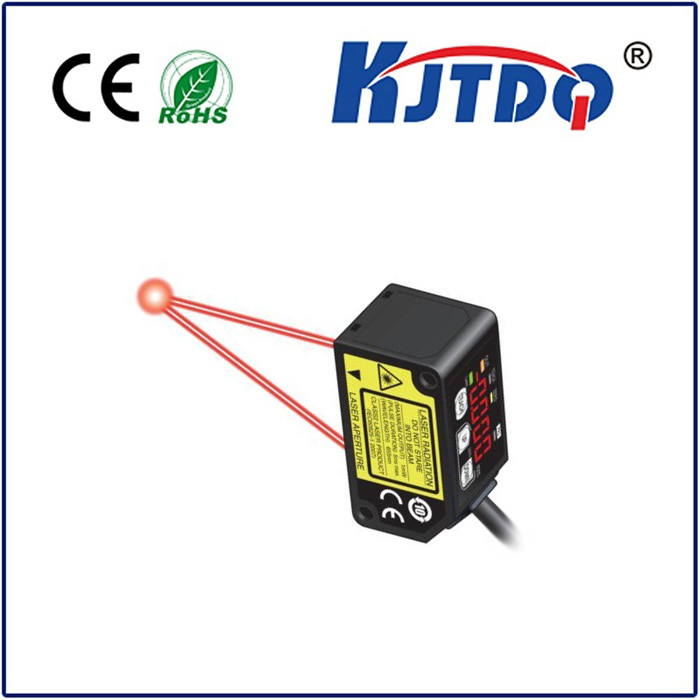
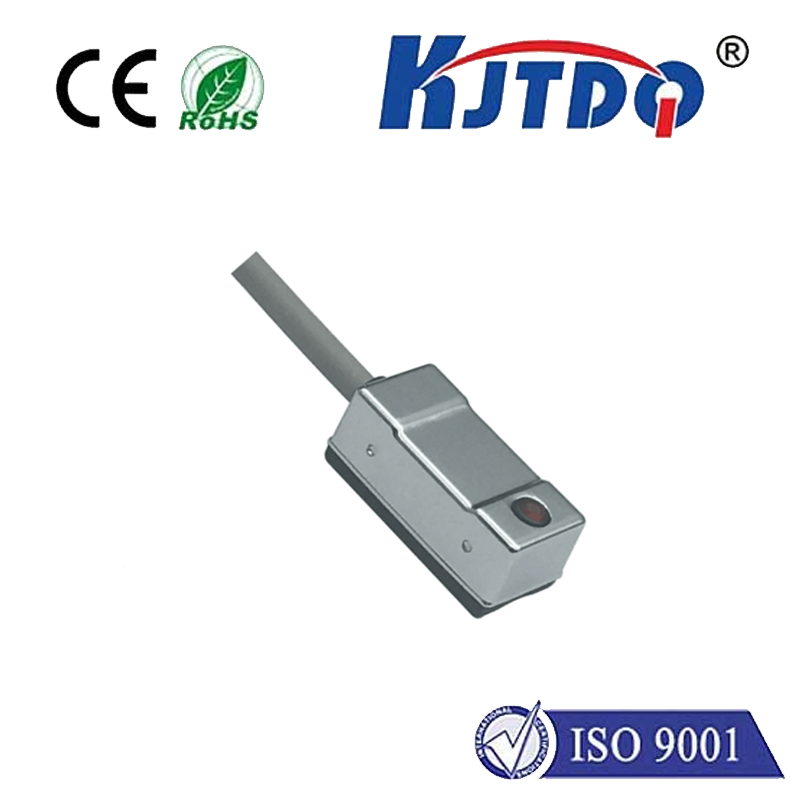
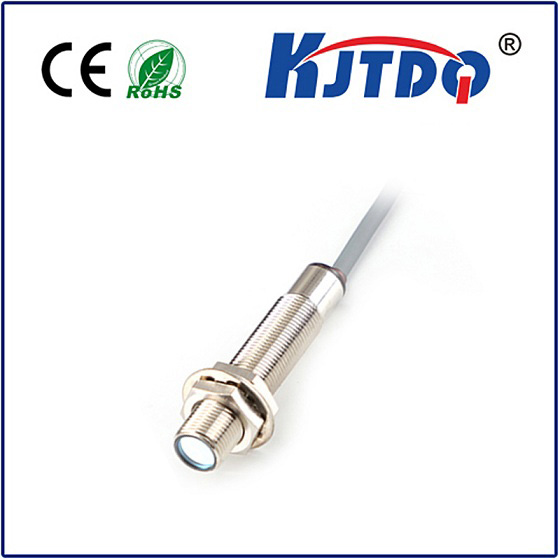
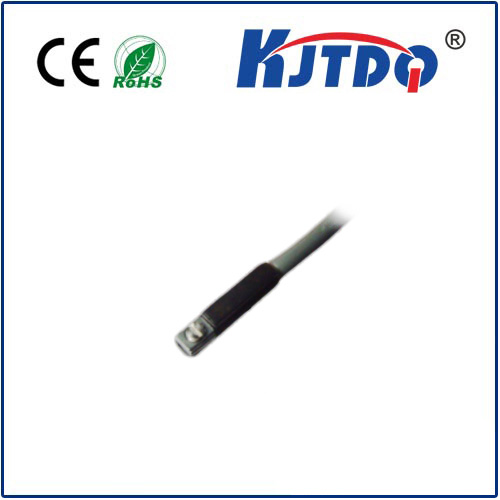
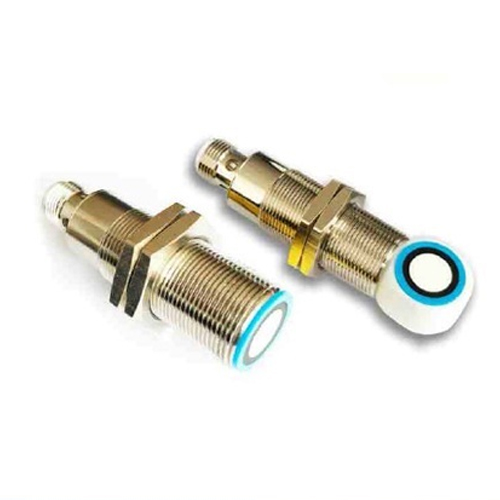
In the fast-paced world of industrial automation and material handling, conveyor belts are the lifelines of countless operations. From mining and manufacturing to packaging and logistics, these systems ensure the smooth, continuous flow of materials. However, their efficiency and, more critically, the safety of the entire operation hinge on precise monitoring and control. This is where the integration of a high-performance proximity sensor, specifically designed for conveyor belt applications, becomes indispensable. The KJTDQ Proximity Sensor for Conveyor Belt stands out as a pivotal component in modernizing and securing these vital systems.
Traditional mechanical limit switches and manual monitoring methods are increasingly proving inadequate. They are prone to wear, require frequent maintenance, and can lead to unplanned downtime due to failures. Furthermore, they often lack the precision needed for modern, high-speed processes. The KJTDQ Proximity Sensor addresses these challenges head-on. As a non-contact sensing device, it detects the presence or absence of an object—be it a product, a pallet, or a specific part of the belt itself—without any physical interaction. This fundamental principle eliminates mechanical wear, significantly extending the sensor's operational lifespan and reducing maintenance costs.
The core advantage of the KJTDQ sensor lies in its reliability and accuracy. Installed at strategic points along the conveyor line, it performs a multitude of critical functions. One primary application is precise object counting and positioning. By detecting each item as it passes, the sensor provides real-time data for inventory tracking, batching processes, and sorting operations. This ensures that downstream equipment, such as robotic arms or packaging machines, is triggered at the exact right moment, optimizing the entire production rhythm and minimizing errors.
Beyond efficiency, safety is paramount. Conveyor belts can pose significant hazards, including jams, misaligned belts, or the risk of personnel coming into contact with moving parts. The KJTDQ Proximity Sensor plays a crucial role in safety interlocking. For instance, sensors can monitor the belt's edge to detect misalignment or slippage, immediately sending a signal to shut down the system before damage occurs or a safety incident unfolds. Similarly, sensors placed at access points can ensure machinery only operates when guards are securely in place, protecting workers.
Another critical application is in monitoring belt speed and synchronizing multiple conveyor sections. By detecting markers or attachments on the belt, the KJTDQ sensor can calculate real-time speed. Deviations from the set speed can indicate issues like motor faults or excessive load, allowing for proactive intervention. In complex systems with several conveyor segments, these sensors ensure perfect synchronization, preventing pile-ups or gaps in material flow, which is essential for a seamless operation.
Durability is a non-negotiable feature for industrial sensors. The KJTDQ Proximity Sensor for Conveyor Belt is engineered to withstand the harsh environments typical of industrial settings. It is often housed in a robust, sealed casing rated for IP67 or higher, making it resistant to dust, moisture, oil, and vibration. This rugged construction ensures consistent performance even in demanding conditions like foundries, food processing plants, or outdoor mining operations, where temperature extremes and contaminants are common.
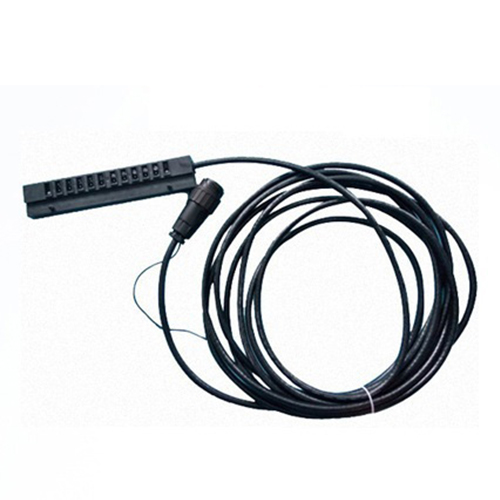
Installation and integration are straightforward. Modern KJTDQ sensors often come with versatile mounting options and standard output signals (like PNP/NPN or analog 4-20mA) that are compatible with Programmable Logic Controllers (PLCs) and other industrial control systems. This plug-and-play capability minimizes installation time and complexity, allowing for quick upgrades to existing conveyor systems without extensive rewiring or reprogramming.
The return on investment from deploying KJTDQ Proximity Sensors is clear and measurable. The reduction in unplanned downtime due to sensor failure or process errors directly boosts productivity. Lower maintenance requirements translate into cost savings on labor and spare parts. Enhanced safety protocols reduce the risk of accidents, protecting both personnel and capital assets. Most importantly, the data provided by these sensors contributes to a smarter, more responsive operation, forming the foundation for Industry 4.0 initiatives where data-driven decisions optimize every aspect of production.
In conclusion, the conveyor belt is more than just a moving strip; it is a critical process that demands intelligence and protection. The KJTDQ Proximity Sensor is not merely an accessory but a fundamental upgrade that injects reliability, precision, and safety into the heart of material handling. By transitioning from reactive maintenance to predictive, data-informed control, businesses can achieve new levels of operational excellence. For any operation relying on conveyor systems, integrating the KJTDQ Proximity Sensor is a strategic step toward building a more efficient, safe, and future-ready facility.