check

check

check

check

check

check
KJT Sensors is the international brand of Nanjing KJT Electric Co., Ltd., an industrial sensor manufacturer that integrates research and development, manufacturing, sales, and technical support. The company supplies standard and application-specific sensors for detection, measurement, machine safety, equipment monitoring, and industrial automation, with support spanning product selection, testing, customization, production, and after-sales service.

KJT Sensors manufactures industrial sensing, measurement, safety, and control products for automation equipment.
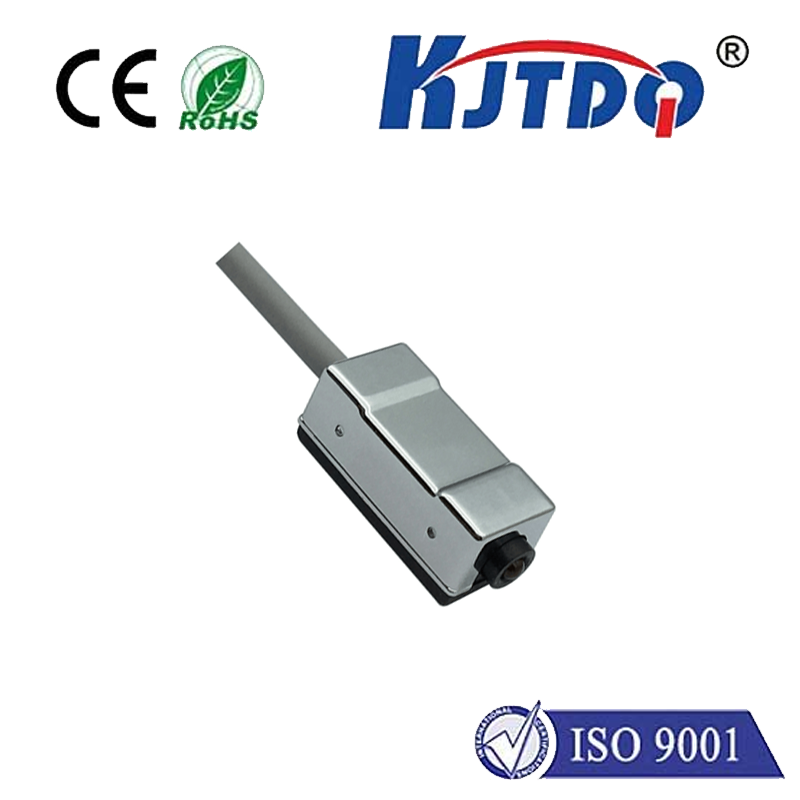
Its portfolio includes proximity, photoelectric, laser, ultrasonic, radar, pressure, temperature, vibration, speed, safety, and conveyor protection products.
Selection support is based on the target, sensing range, installation, environment, output, and control-system requirements.
OEM and ODM services can modify mechanical, electrical, connection, and labeling specifications.
Certifications and performance claims must always be verified for the exact product model under consideration.
KJT Sensors is an industrial sensor brand operated by Nanjing KJT Electric Co., Ltd. According to the company’s published profile, KJT has more than 15 years of experience in industrial sensor development and manufacturing and serves international automation markets. Its activities cover product development, manufacturing, application evaluation, model selection, customization, documentation, delivery coordination, and technical support.
The company primarily works with machine builders, automation engineers, system integrators, distributors, and industrial end users. Rather than selecting a sensor from a model number alone, KJT evaluates the physical target, required range, mounting arrangement, electrical interface, operating environment, response requirements, and long-term supply needs.
Read the official KJT Sensors company profile.
KJT Sensors offers products for object detection, position feedback, distance measurement, process measurement, equipment protection, condition monitoring, and industrial data collection.
| Product family | Typical function | Example applications | Important selection factors |
|---|---|---|---|
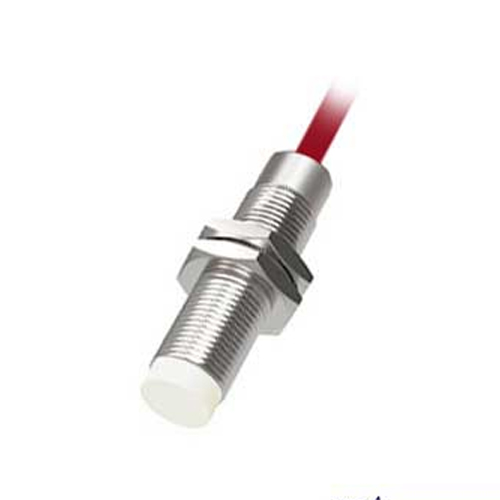
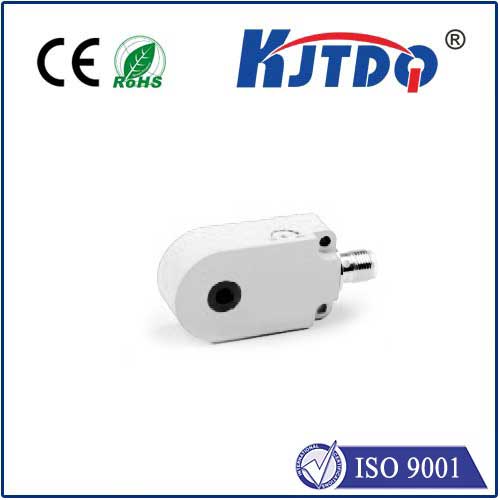
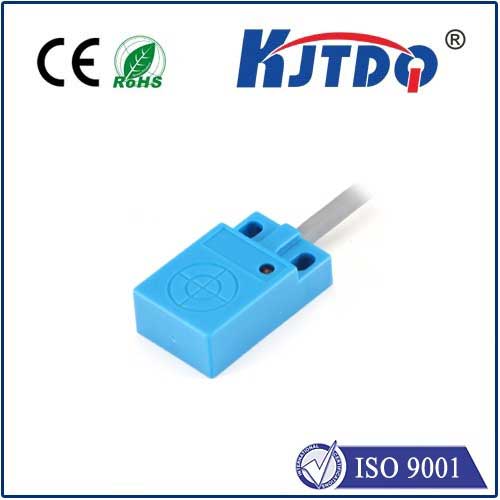
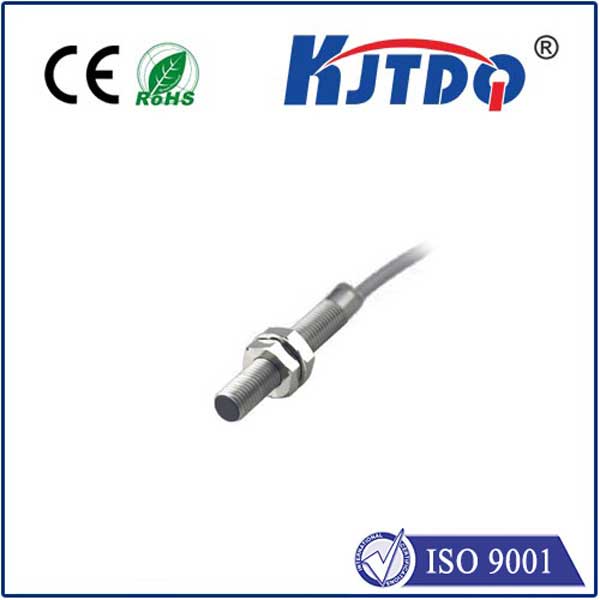
| Inductive proximity sensors | Detect metallic targets without contact | Machine position, counting, end-of-travel detection | Target metal, sensing distance, housing size, flush or non-flush mounting |
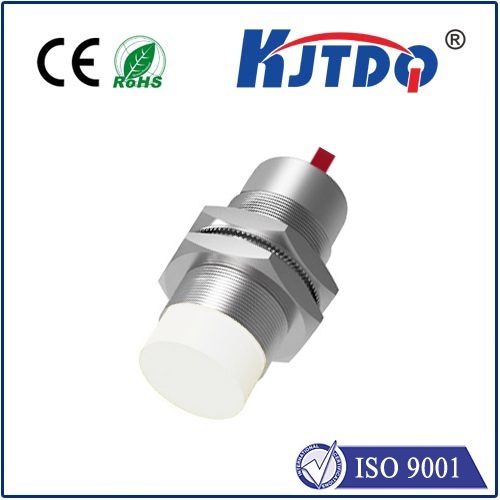
| Capacitive proximity sensors | Detect metallic and non-metallic materials | Plastic, powder, liquid, and level detection | Dielectric properties, moisture, sensitivity, mounting environment |
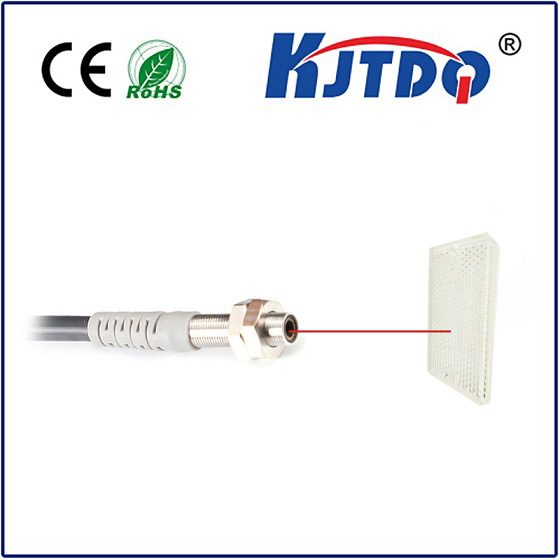
| Photoelectric sensors | Detect objects using emitted and received light | Packaging, counting, label detection, conveyor control | Target colour, reflectivity, background, range, ambient light |
| Laser and ToF sensors | Measure distance or detect targets with focused optical methods | Positioning, displacement measurement, logistics, AGV equipment | Measuring range, repeatability, surface reflectivity, response rate |
| Ultrasonic and radar sensors | Provide non-contact distance or level measurement | Tanks, silos, outdoor ranging, material handling | Blind zone, beam angle, vapour, foam, dust, target geometry |
| Pressure and temperature sensors | Monitor process and equipment variables | Hydraulic equipment, process systems, machine monitoring | Measuring range, process connection, medium compatibility, output |
| Vibration and speed sensors | Monitor motion and equipment condition | Rotating machinery, conveyors, predictive maintenance | Frequency range, mounting, output, alarm logic, operating temperature |
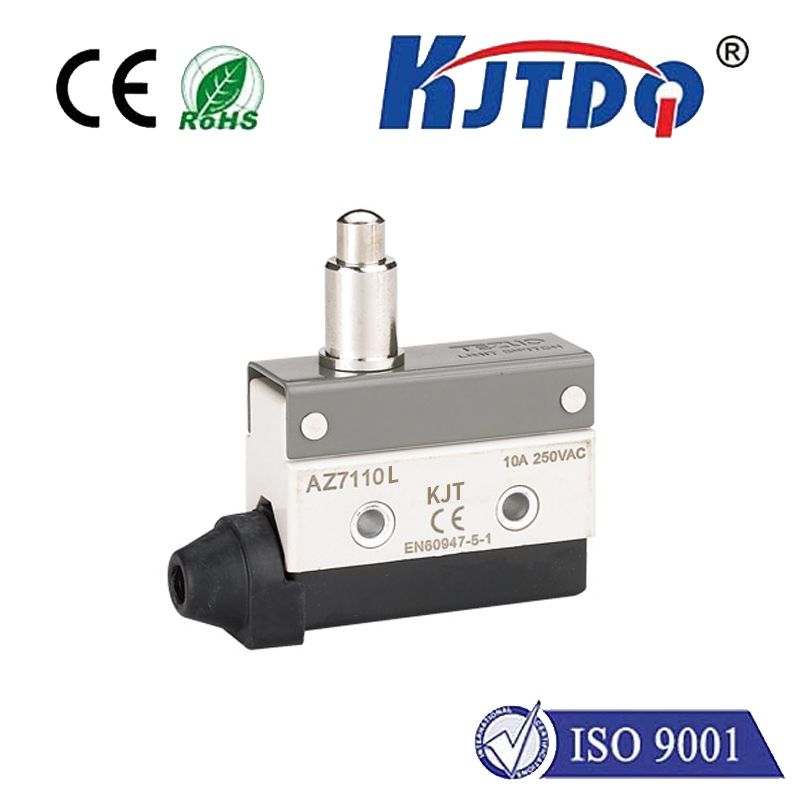
| Safety and limit switches | Monitor access, travel, or machine position | Safety doors, presses, travel limits, industrial equipment | Safety function, contact arrangement, actuation, environmental rating |
| Conveyor protection devices | Detect hazardous conveyor conditions | Pull-cord stop, belt misalignment, slip, blockage, belt tear | Conveyor design, switch position, actuation distance, control logic |
| Wireless and customized sensors | Address difficult wiring or application-specific requirements | Distributed monitoring, mobile equipment, retrofit projects | Communication range, power, enclosure, protocol, environmental conditions |
The current product structure can be reviewed in the KJT Sensors product centre. Product availability and specifications should be confirmed on the applicable model page or data sheet.
KJT Sensors supplies sensing solutions for factory automation, packaging machinery, logistics and warehousing, robotics, machine tools, textile machinery, conveyor systems, steel and metallurgy, food and beverage equipment, construction equipment, and other demanding industrial environments.
Typical sensing tasks include:
object presence and absence detection;
metal target detection;
machine position and end-of-travel feedback;
product counting and alignment;
label, colour-mark, and packaging detection;
distance, displacement, thickness, and level measurement;
conveyor speed, slip, misalignment, blockage, and emergency-stop monitoring;
pressure, temperature, vibration, and rotational-speed monitoring;
obstacle and position detection for robots, AGVs, and mobile equipment;
sensing in high-temperature, dusty, wet, oily, corrosive, or hazardous environments.
No sensor technology is suitable for every target and environment. For example, an inductive sensor is generally appropriate for metal detection, while transparent packaging may require a photoelectric sensing method designed for unstable optical contrast. Dust, vapour, foam, colour, reflectivity, temperature, installation space, and required response speed can all change the appropriate selection.
Explore KJT industrial sensor solutions by industry, application, and sensing technology.
KJT’s published service process begins with the application rather than a catalogue model. A reliable recommendation normally requires the following information:
Define the target. Specify its material, colour, surface, shape, size, and movement.
Confirm the sensing task. State whether the sensor must detect, measure, count, position, monitor, or protect.
Set the required range. Include the nominal distance and expected mechanical tolerance.
Define performance needs. Provide the required accuracy, repeatability, resolution, response time, or switching frequency.
Describe the environment. Include temperature, dust, water, oil, vibration, ambient light, corrosion, pressure, or hazardous-area conditions.
Specify installation constraints. Provide available space, thread or housing size, mounting method, cable routing, and alignment limitations.
Confirm electrical requirements. State the supply voltage, PNP or NPN logic, analogue output, relay output, RS485, IO-Link, or other interface.
Validate before volume production. Where application risk is significant, use sample testing or an on-machine trial to confirm detection stability, mounting fit, and output behaviour.
This process reduces the risk of choosing a sensor that meets a nominal range but fails because of the target material, installation geometry, ambient conditions, or incompatible output logic.
KJT describes its selection and support workflow on the Service & Support page.
A customized sensor is appropriate when a standard product cannot satisfy the required housing, mounting space, sensing distance, output, connector, cable arrangement, material, environmental protection, or branding requirement. Customization should solve a defined engineering constraint rather than add unnecessary variation.
KJT states that its OEM and ODM support can cover:
housing structure and thread size;
sensing or measuring range;
PNP, NPN, relay, analogue, or communication output;
cable length, cable material, and connector type;
enclosure material and environmental protection;
operating-temperature requirements;
labels, packaging, and private branding;
modified standard products and application-specific development.
A customization project may begin with requirement review and sample development, followed by testing, technical confirmation, small-batch production, and longer-term supply. The feasibility, minimum order quantity, schedule, validation method, and compliance requirements depend on the project.
See the KJT customized sensor solutions page for the published process and supported modification areas.
KJT supports application consultation, model recommendation, model replacement, customization, sample evaluation, production coordination, technical documentation, and after-sales feedback. For model replacement, the original data sheet, dimensions, wiring, output logic, connector, mounting arrangement, and application conditions should be compared rather than relying only on a similar product name.
According to KJT’s service information, samples are generally available for proximity sensors, while availability for other sensor types depends on the model, quantity, and project. KJT also states that an 18-month warranty applies to applicable products from the date of shipment; the commercial terms for a specific order should be confirmed before purchase.
Available engineering materials include product catalogues, manuals, wiring information, drawings, and other technical documents. These resources can be accessed through the KJT data download centre.
KJT’s company page presents an ISO 9001 quality management system certificate together with product-specific CE and RoHS documentation. It also describes inspection activities covering materials, assembly, calibration, functional testing, environmental testing, and final inspection.
Compliance must be checked at the exact-model level. A certificate displayed for one product family does not automatically prove that every KJT model carries the same certification or complies with the same standard. Before specifying a product for a regulated application, request the applicable certificate, covered model list, referenced standard, issue date, and validity information.
The same caution applies to protection ratings, hazardous-area approvals, laser safety classes, and functional-safety claims. A general-purpose detection sensor must not be treated as a personnel-safety device unless the exact product and safety function are appropriately documented.
Review the published KJT manufacturing and compliance information, then request model-specific documents for the project.
Buyers should evaluate KJT Sensors against the technical and commercial requirements of the application rather than relying on a general brand claim. A practical evaluation should cover the following areas:
| Evaluation area | Questions to ask |
|---|---|
| Application fit | Does the technology detect or measure the actual target under real operating conditions? |
| Performance | Are range, repeatability, accuracy, response, and output requirements documented for the exact model? |
| Environment | Is the product suitable for the stated temperature, ingress, vibration, oil, dust, corrosion, or ambient-light conditions? |
| Integration | Do voltage, output logic, connector, wiring, protocol, and mechanical dimensions match the control system? |
| Validation | Can the supplier provide a sample, test method, drawing, data sheet, or application review? |
| Compliance | Are the required certificates applicable to the exact product and destination market? |
| Supply | Are lead time, minimum order quantity, repeat-order stability, packaging, and change control acceptable? |
| Support | Can technical staff assist with selection, installation, troubleshooting, and replacement analysis? |
For a high-risk or unfamiliar application, the most reliable process is to document the requirements, shortlist the appropriate sensing technologies, review exact model data, and test the selected product under representative conditions.
KJT Sensors identifies Nanjing KJT Electric Co., Ltd. as an industrial sensor manufacturer integrating research and development, manufacturing, sales, and technical support. Customers evaluating manufacturing capability should request the documentation relevant to their project, such as company details, product records, drawings, inspection information, and model-specific compliance documents.
KJT’s published portfolio includes inductive and capacitive proximity sensors, photoelectric sensors, laser distance and displacement sensors, ultrasonic and radar sensors, pressure and temperature sensors, vibration and speed sensors, safety products, limit switches, conveyor protection devices, wireless sensors, and application-specific solutions. The exact available models should be checked in the current product centre.
Yes. KJT states that it supports OEM, ODM, private labeling, modified standard sensors, and application-specific development. Customizable areas can include the housing, thread, range, output, cable, connector, material, environmental design, label, and packaging. Feasibility and order terms depend on the technical requirement.
KJT provides model-replacement support, but a replacement should not be selected from the model name alone. The original electrical parameters, dimensions, mounting, sensing principle, range, output logic, cable or connector, environmental rating, and machine conditions must be reviewed before a suitable alternative can be proposed.
KJT states that samples are generally available for proximity sensors. Sample availability for other products depends on the model, quantity, and project requirements. Testing should reproduce the target, distance, speed, mounting, electrical interface, and environmental conditions that influence real operation.
Provide the target material, colour and size; sensing or measuring range; required accuracy or response; mounting space; operating temperature; presence of dust, water, oil, vibration or strong ambient light; supply voltage; output or communication interface; required quantity; destination market; and any original model, drawing, photo, or wiring information.
KJT Sensors is positioned as an industrial sensor manufacturer and application-support partner for automation, measurement, machine protection, and equipment-monitoring projects. Its broad portfolio and customization services are most useful when selection begins with clearly documented operating conditions. Before placing a production order, verify the exact model specifications, compliance documents, integration requirements, sample performance, commercial terms, and supply plan for the intended application.
Send KJT Sensors the following information for a more efficient application review:
target material, colour, size, and movement;
required sensing distance or measuring range;
accuracy, repeatability, resolution, or response requirement;
working temperature and environmental conditions;
installation space and mounting method;
supply voltage and output interface;
original model, photos, drawings, or wiring details;
required quantity and destination market.
Visit the KJT Sensors service page to request product selection, customization, model replacement, testing, or quotation support.
About KJT Sensors, company profile, product scope, manufacturing, quality, and compliance information.
KJT Sensors Product Centre, current product categories and product listings.
Industrial Sensor Solutions, industries, applications, selection inputs, and solution process.
Customized Sensor Solutions, OEM/ODM scope and customization workflow.
Service & Support, selection, replacement, testing, delivery, warranty, and after-sales information.
Data Download Centre, available catalogues, manuals, and engineering documents.
This article summarizes information published by KJT Sensors and reviewed on 11 September 2026. Product specifications, availability, certificates, warranty terms, and customization feasibility may vary by model, order, destination, and application. Always verify the current data sheet and applicable documentation before design approval, installation, or purchase. Safety-related products and hazardous-area applications require qualified technical review.