check

check

check

check

check

check
In the demanding world of industrial automation, reliability is not just a feature; it's the foundation. Equipment must perform consistently under extreme conditions—amidst dust, moisture, vibration, and temperature fluctuations. This is where the M30 inductive sensor stands as an unsung hero, a critical component that ensures seamless operation by providing non-contact detection of metallic objects. Its robust design and proven technology make it an indispensable tool across countless applications, from packaging and material handling to automotive assembly and machine tooling.
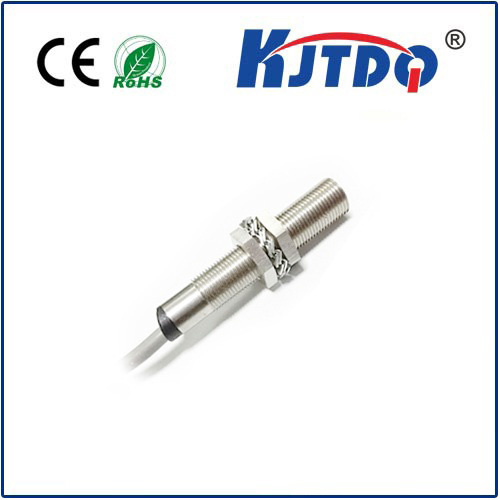
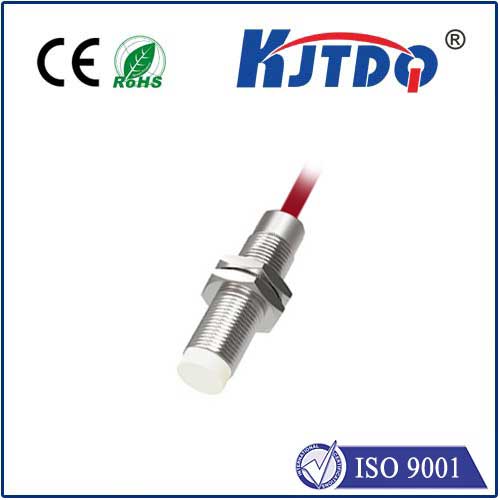
The M30 designation refers to the sensor's standardized 30-millimeter threaded cylindrical housing. This common form factor allows for easy installation and replacement in standardized mounting fixtures, a key advantage for maintenance and system design. The core principle of operation is elegantly simple yet highly effective. The sensor generates an oscillating electromagnetic field from its active face. When a ferrous or non-ferrous metal object enters this detection field, it induces eddy currents within the target. This process dampens the oscillation, which the sensor's internal circuitry detects and converts into a clear output signal—typically a switching signal that can control a relay, PLC input, or other device. This non-contact nature eliminates mechanical wear and tear, granting the M30 sensor a significantly longer operational lifespan compared to mechanical limit switches.
What truly sets a high-quality M30 inductive sensor apart is its engineering for resilience. Premium models feature housings crafted from stainless steel or nickel-plated brass, offering exceptional resistance to corrosion and physical impact. The sensing face is often protected by a rugged epoxy resin or specialized compound, shielding the internal electronics from chips, coolants, and abrasive materials. Sealing ratings are paramount; look for sensors boasting an IP67, IP68, or even IP69K rating. An IP67 rating guarantees protection against temporary immersion in water, while IP68 indicates protection against prolonged immersion under specified pressure. The IP69K rating signifies the ability to withstand high-pressure, high-temperature washdowns, making it ideal for food and beverage or pharmaceutical industries where stringent hygiene is required.
Performance specifications are critical for selecting the right sensor for the job. Sensing distance, a key parameter, is standardized. For a standard M30 sensor, the nominal sensing distance (Sn) is typically 10mm or 15mm. It is crucial to note that this is defined for a standard mild steel target. Factors like target material, size, and shape can affect the actual usable range. A reliable sensor will have a built-in safety margin, often with an operating distance of 0.81 times Sn and a guaranteed switching distance of 0.9 times Sn to account for supply voltage and temperature tolerances. Switching frequency defines how quickly the sensor can respond, with many models capable of operating at 1000 Hz or higher, suitable for high-speed production lines. Additionally, options like short-circuit protection, reverse polarity protection, and overload prevention are essential features that safeguard both the sensor and the connected control system from wiring errors or electrical faults.
The application versatility of the M30 inductive sensor is vast. In conveyor systems, they reliably detect the presence of metal parts, pallets, or machine components, triggering sorting mechanisms or controlling process flow. Within machining centers, they serve as precise homing switches for axes or tool changers, ensuring repeatable positioning. In automated welding cells, they confirm the presence of a metal workpiece before the welding cycle begins, a critical safety and quality check. Even in harsh outdoor or mining applications, specially ruggedized M30 sensors monitor the position of heavy machinery components.
When integrating an M30 sensor, attention to detail ensures optimal performance. Correct mounting is essential; flush-mountable sensors can be installed flush with a metal surface without affecting their sensing range, while non-flush models require a clear area around the active face. The choice between Normally Open (NO) and Normally Closed (NC) output configurations depends on the control logic required. Proper shielding and routing of cables away from high-power lines minimize the risk of electromagnetic interference. Regular maintenance, though minimal, should involve cleaning the sensing face of any accumulated debris or metallic dust that could potentially cause false triggering.
In conclusion, the M30 inductive sensor represents a perfect blend of standardized design, robust construction, and reliable technology. It is a fundamental building block of modern industrial automation. By providing a wear-free, precise, and durable solution for metal detection, it enhances machine efficiency, reduces downtime, and contributes to overall system safety. For engineers and maintenance professionals, specifying a high-performance M30 sensor from a trusted manufacturer is not merely a component selection—it is an investment in the unwavering reliability and productivity of their entire operation.