check

check

check

check

check

check
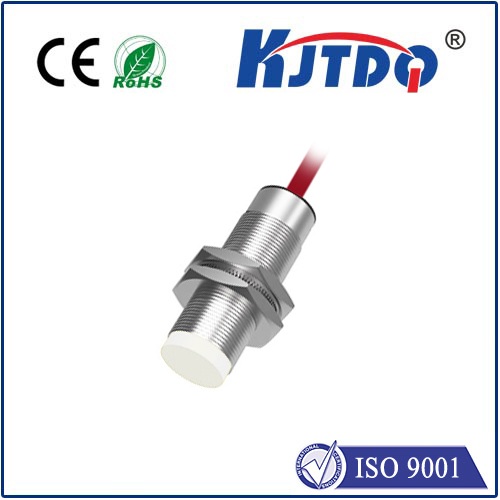
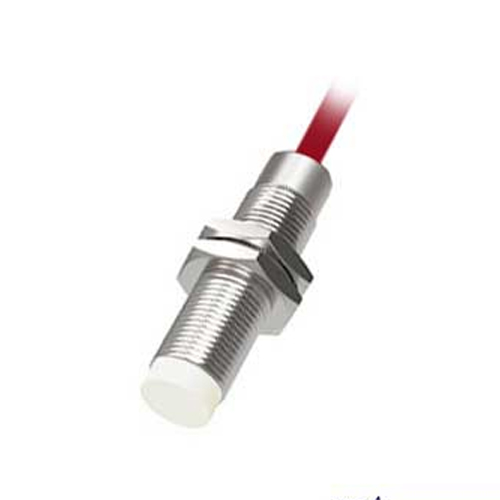
In modern industrial automation, achieving high precision and reliability in object detection is paramount. The cylindrical inductive sensor, a cornerstone of many automated systems, plays a critical role in this domain. These robust devices are engineered to detect the presence or absence of metallic objects without physical contact, ensuring longevity and minimal maintenance. The KJTDQ series represents a significant advancement in this field, offering enhanced performance tailored for demanding applications.
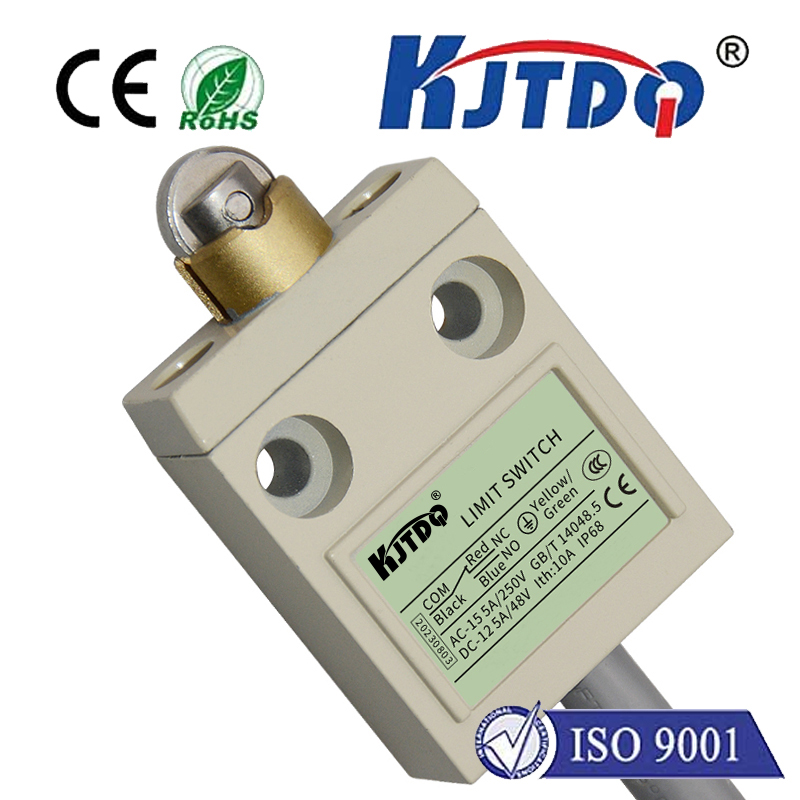
The fundamental principle behind a cylindrical inductive sensor is electromagnetic induction. The device generates an oscillating electromagnetic field from its active face. When a metallic target enters this field, eddy currents are induced within the metal, causing a change in the oscillation amplitude. The sensor's internal circuitry detects this change and triggers a solid-state switching signal. This non-contact operation eliminates mechanical wear and tear, a common point of failure in limit switches, leading to dramatically extended service life even in harsh environments featuring dust, oil, or coolant splashes.
What sets the KJTDQ cylindrical inductive sensor apart is its optimized design for precision and environmental resilience. Available in various standard diameters, such as M8, M12, M18, and M30, these sensors can be seamlessly integrated into diverse machinery layouts. Key specifications often include a sensing range calibrated for different metals, typically shorter for non-ferrous metals like aluminum or copper compared to steel. The KJTDQ models frequently incorporate features like embedded LEDs for visual status indication, short-circuit and overload protection, and immunity to electromagnetic interference. This ensures stable operation in electrically noisy plant environments.
The application spectrum for these sensors is vast. In automotive assembly lines, they are indispensable for precise positioning of engine blocks or verifying the presence of components on pallets. Within packaging machinery, KJTDQ sensors reliably detect metal lids, cans, or foil seals, ensuring proper filling and capping sequences. On CNC machining centers, they serve as accurate homing sensors for tool changers or spindle positioning, contributing to micron-level machining accuracy. Their cylindrical, threaded metal housing provides not only mechanical strength but also facilitates easy installation and adjustment.
Selecting the right cylindrical inductive sensor requires careful consideration of several parameters. The operating distance, or sensing range, must be chosen with a safety margin to account for target positioning tolerances. The target material significantly influences the effective range. Environmental factors are crucial; many KJTDQ sensors boast high IP ratings (e.g., IP67 or IP69K), making them resistant to water and dust ingress, which is vital for food processing or outdoor applications. Furthermore, the output type—whether NPN (sinking) or PNP (sourcing)—must be compatible with the connected programmable logic controller (PLC) or other control system.
Installation best practices are straightforward but essential for optimal performance. Maintaining the recommended lateral and axial clearance from surrounding metal structures prevents false triggering. For flush-mountable models, they can be installed level with a metal bracket, while non-flush models require a free space around the sensing face. Regular maintenance primarily involves keeping the sensing face clean from heavy buildup of metallic swarf or conductive debris, which could affect performance.
The integration of KJTDQ cylindrical inductive sensors into a networked Industry 4.0 framework is becoming increasingly streamlined. Many modern variants offer IO-Link capability, a point-to-point serial communication protocol. This allows for not just simple switching signals but also the transmission of detailed diagnostic data, such as operating temperature, signal strength, or switch cycle counts, directly to the control system. This enables predictive maintenance, where potential issues can be addressed before they cause downtime, maximizing overall equipment effectiveness.
In conclusion, the cylindrical inductive sensor is a fundamental, yet sophisticated, component that drives efficiency and accuracy in automation. The KJTDQ series exemplifies this through its durable construction, precise detection capabilities, and adaptability to challenging industrial conditions. By providing a reliable, non-contact method for metallic object detection, these sensors form the silent, dependable backbone of countless automated processes, from simple conveyor systems to complex robotic workcells. Their continued evolution with smart features ensures they will remain vital in building the resilient and data-driven factories of the future.