check

check

check

check

check

check
In the intricate world of industrial automation, where precision and reliability are non-negotiable, the selection of sensing components can make or break a system's efficiency. Among the various technologies available, the PNP proximity sensor stands out as a cornerstone for countless applications. This article delves into the functionality, advantages, and practical uses of PNP proximity sensors, explaining why they are a preferred choice for engineers and system integrators globally.
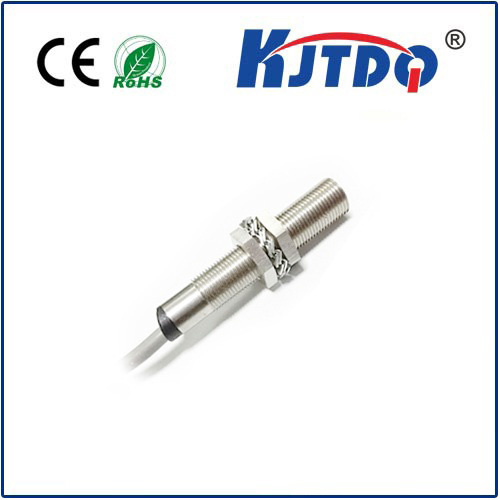
Understanding the core principle is essential. A proximity sensor detects the presence or absence of an object without physical contact. It does this by emitting an electromagnetic field or a beam of electromagnetic radiation and looking for changes in the field or return signal. The "PNP" designation refers to the type of transistor output the sensor uses. In a PNP (also known as "sourcing") sensor, the output wire switches the positive voltage to the load. When the sensor detects a target, it connects the output line to the positive supply voltage, allowing current to flow *from* the sensor *to* the load (such as a PLC input). This is in contrast to an NPN (sinking) sensor, which switches the negative or ground side.
The inherent design of PNP sensors offers several compelling benefits. First and foremost is compatibility. In many regions, particularly in Europe and for PLC systems designed with a common negative, PNP wiring is the standard and often simplifies the connection process. The logic is also intuitive: a detected target typically results in a "high" or "on" signal (24V), which aligns naturally with the positive-triggered inputs of many controllers. From a reliability standpoint, PNP sensors are known for robust performance in electrically noisy industrial environments. Their construction is designed to withstand common challenges like voltage spikes, electromagnetic interference, and harsh physical conditions involving dust, moisture, and temperature variations.
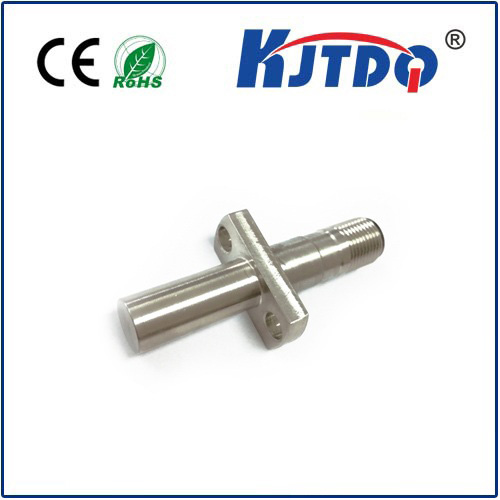
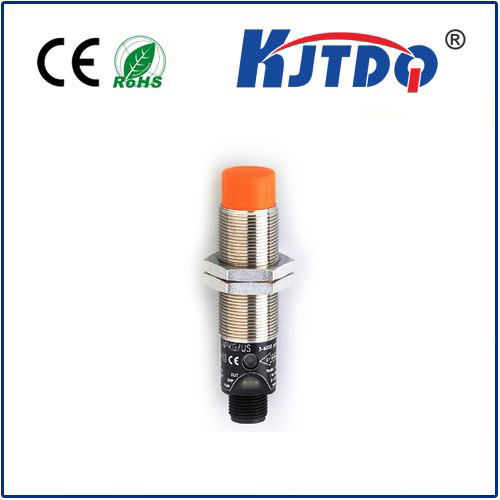
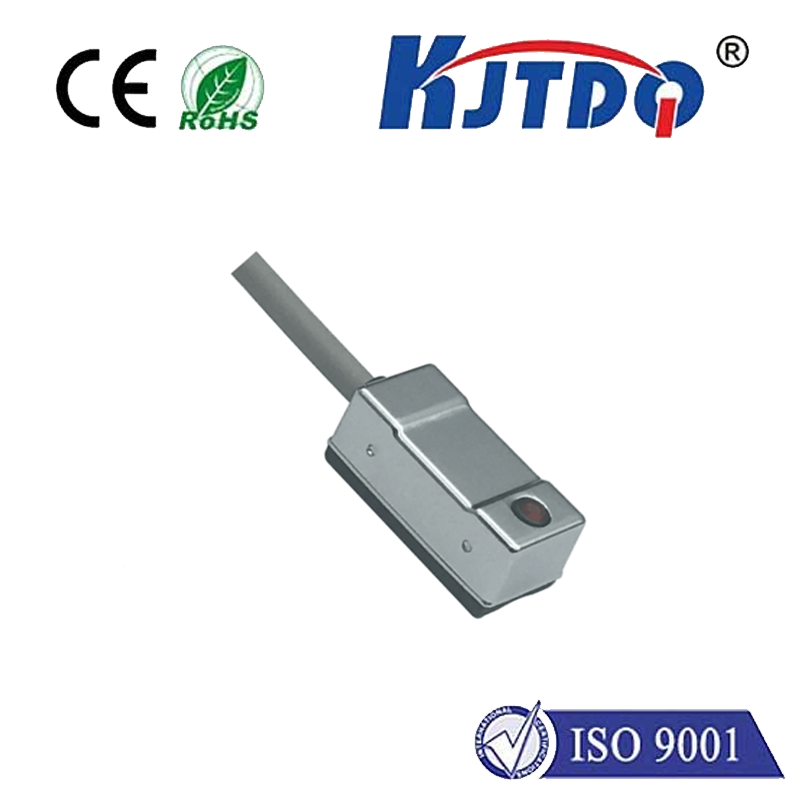
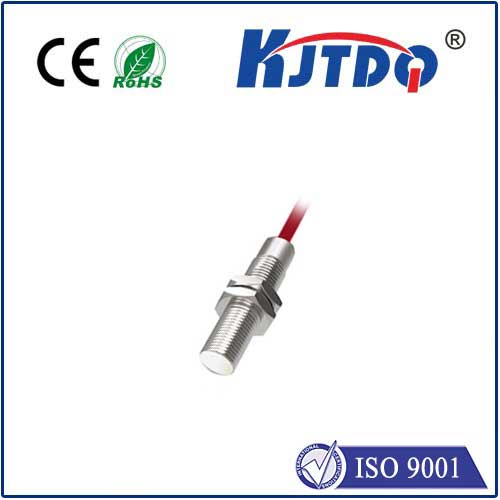
Practical applications for PNP proximity sensors are virtually limitless across manufacturing and processing industries. They are the silent workhorses on assembly lines, performing critical tasks such as part counting, jam detection, and verifying the position of components. In packaging machinery, they ensure products are correctly positioned for sealing or labeling. Within automated guided vehicles (AGVs), PNP sensors provide accurate positioning feedback for navigation and docking. They are also indispensable in robotic cells, where they confirm gripper closure, part presence in a fixture, or safe end-of-arm tooling positions, ensuring both operational efficiency and safety.
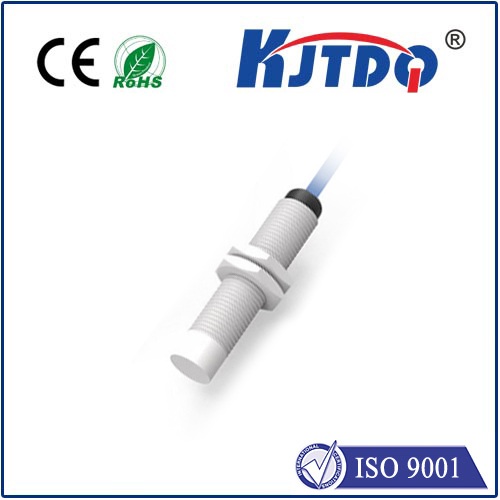
When integrating a PNP proximity sensor into a system, several key specifications demand attention. The sensing range, whether inductive (for metals) or capacitive (for non-metals), must be appropriate for the target material and required detection distance. The housing material, typically nickel-plated brass or stainless steel, should be chosen based on the environmental conditions. Factors like IP (Ingress Protection) ratings for dust and water resistance, operating temperature range, and output current capacity are crucial for long-term, trouble-free operation. Proper installation is equally important; ensuring correct alignment, avoiding sensor-to-sensor interference, and using shielded cables in high-noise areas are best practices that prevent false triggers and extend sensor life.
Looking ahead, the evolution of PNP proximity sensors continues. Modern iterations incorporate advanced features like IO-Link communication, which enables digital parameter setting, real-time diagnostics, and condition monitoring. This smart functionality transforms a simple detection device into a data point within the Industrial Internet of Things (IIoT), providing predictive maintenance alerts and deeper process insights. Despite these advancements, the fundamental reliability and straightforward logic of the PNP output remain its greatest strengths.
In conclusion, the PNP proximity sensor is far more than just a simple switch. It is a fundamental, reliable, and versatile component that forms the sensory backbone of modern automated systems. Its sourcing output configuration, combined with rugged construction and evolving smart features, ensures it will continue to be a trusted solution for engineers seeking to build efficient, dependable, and intelligent automation infrastructure. Choosing the right sensor, understanding its principles, and applying it correctly are essential steps toward achieving optimal machine performance and productivity.