check

check

check

check

check

check
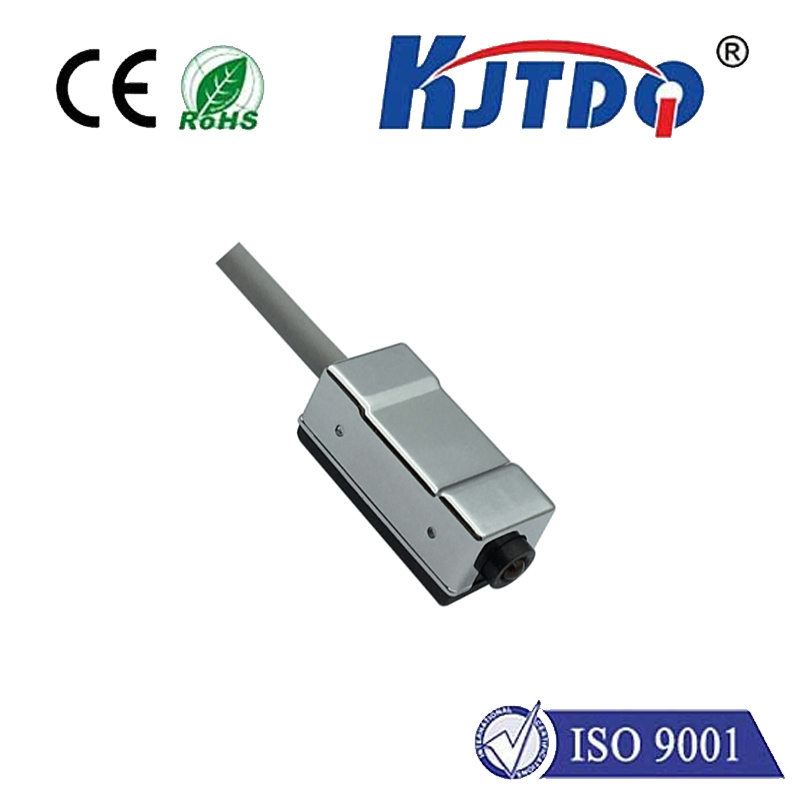
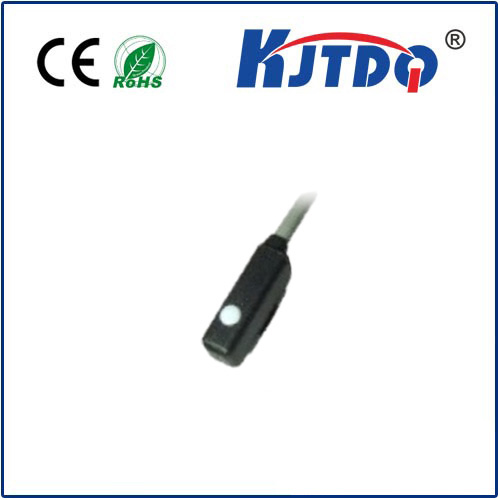
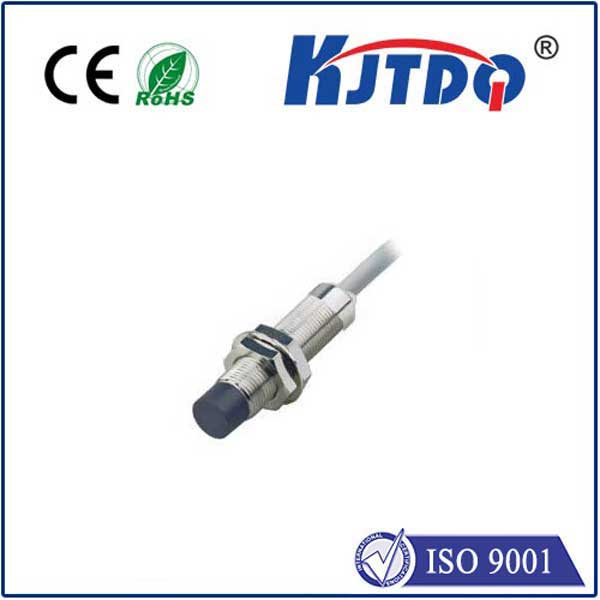
In the demanding world of industrial automation, reliability is not a luxury; it's a necessity. Equipment must perform flawlessly under extreme conditions—constant exposure to dust, moisture, vibration, and temperature fluctuations. Sensor failure in such environments can lead to costly downtime, production errors, and safety hazards. This is where the IP68 Inductive Sensor, particularly the KJTDQ series, transitions from a component to a critical asset, engineered to deliver unwavering performance where others falter.
The "IP68" rating is the cornerstone of its resilience. The Ingress Protection (IP) code is an international standard defining levels of sealing effectiveness. The first digit, '6', signifies complete protection against dust ingress. No particulate matter, no matter how fine, can penetrate the housing, ensuring the internal electronics remain contaminant-free. The second digit, '8', is even more crucial for many applications. It certifies protection against the effects of prolonged immersion in water under specified pressure and time conditions. In practical terms, an IP68 sensor can be installed in areas subject to high-pressure washdowns, occasional flooding, or even permanent submersion, depending on the manufacturer's specifications. This dual protection makes it indispensable for food and beverage processing, wastewater treatment, marine applications, and outdoor machinery.
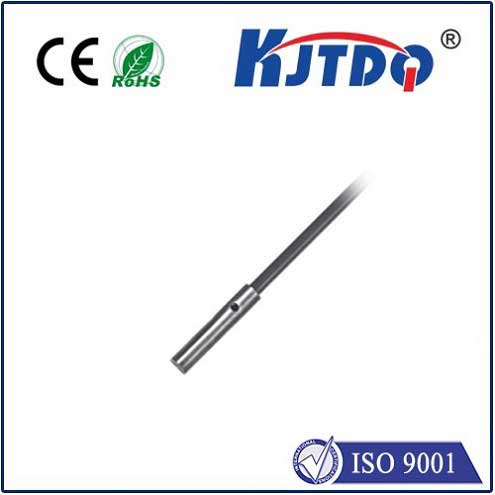
Beyond its robust sealing, the inductive sensing principle itself offers significant advantages. These sensors detect the presence of metallic objects (ferrous and non-ferrous, depending on the type) without any physical contact. A high-frequency electromagnetic field emitted from the sensor's face is disturbed when a metal target enters its range, triggering a switch signal. This non-contact operation eliminates mechanical wear and tear, granting the sensor a virtually infinite mechanical lifespan. The KJTDQ series leverages this technology with enhanced precision, offering consistent switching points and high repeat accuracy, which is vital for positioning tasks in assembly lines or robotic arms.
The application scope for a robust IP68 Inductive Sensor is vast. Imagine a bottling plant where conveyor belts are cleaned with aggressive chemical jets and steam. A standard sensor would quickly corrode or short-circuit. The KJTDQ IP68 sensor, with its stainless steel or rugged polymer housing, withstands this daily assault, reliably counting bottles and controlling fill levels. In heavy machinery like excavators or agricultural equipment operating in muddy, wet fields, these sensors monitor hydraulic cylinder positions, ensuring precise movement and safety. They are also pivotal in automated car wash systems, submerged pumps, and metalworking stations where coolant fluids are pervasive.
Selecting the right sensor involves more than just the IP rating. The KJTDQ series addresses key engineering considerations. Sensing range, while typically short for inductive sensors (a few millimeters to tens of millimeters), is optimized for reliability to avoid false triggers. The housing material, often nickel-plated brass or stainless steel, provides corrosion resistance. Output configurations (NPN/PNP, NO/NC) allow for easy integration into different control system architectures (PLC, microcontroller). Furthermore, advanced features like short-circuit protection, reverse polarity protection, and immunity to electromagnetic interference (EMI) are often integrated, enhancing system-wide robustness.
The long-term value proposition is clear. While the initial investment in an IP68-rated sensor like the KJTDQ may be higher than a standard model, the total cost of ownership is significantly lower. It translates to reduced maintenance labor, elimination of frequent replacement parts, and, most importantly, the prevention of unplanned production stoppages. This reliability fosters smoother operations, higher product quality, and enhanced safety protocols. In essence, it builds a foundation of predictability in inherently unpredictable environments.
Ultimately, integrating an IP68 Inductive Sensor is a strategic decision for operational integrity. The KJTDQ series exemplifies how specialized engineering can create a device that not only survives but thrives under pressure. It acts as the unwavering digital sentinel in the harshest corners of industry, providing the reliable data that modern automated systems depend on. For engineers and plant managers seeking to fortify their systems against the elements, specifying a sensor with proven IP68 protection is not merely an option—it is the definitive step towards achieving resilient and continuous productivity.