check

check

check

check

check

check
In the intricate world of industrial automation and machinery, the unseen heroes often make the most significant impact. Among these, the 12V proximity sensor stands out as a fundamental component, bridging the gap between physical presence and digital control. Specifically, the KJTDQ series of 12V proximity sensors has garnered attention for its reliability and precision, becoming a cornerstone in modern system design.
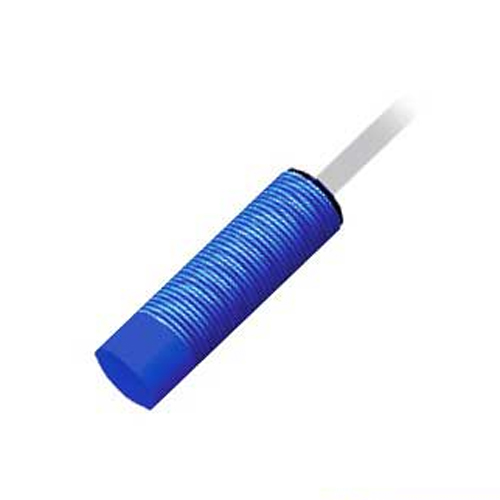
A 12V proximity sensor is a non-contact device that detects the presence or absence of an object within its sensing range. Operating on a 12-volt DC power supply, a common standard in automotive, robotics, and many industrial control panels, these sensors offer a perfect balance of energy efficiency and sufficient operational power. Unlike mechanical switches, they have no moving parts that can wear out, leading to exceptionally long service life and minimal maintenance. The principle is straightforward: the sensor generates an electromagnetic field or a beam of radiation (like infrared light). When a target object enters this field, it causes a change in the signal, which the sensor's circuitry detects and converts into an electrical output signal. This signal then instructs a controller, such as a PLC (Programmable Logic Controller), to perform a predefined action—stopping a conveyor belt, counting items, verifying part placement, or initiating a safety shutdown.
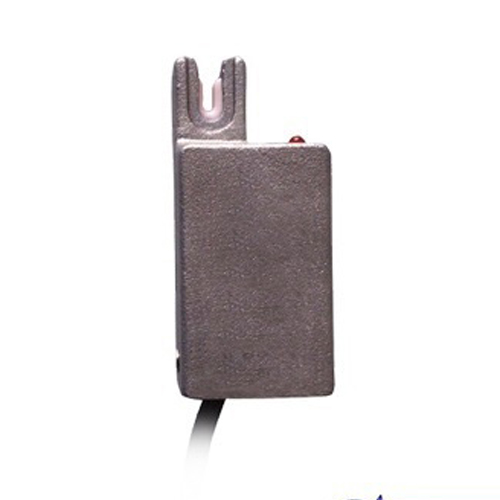
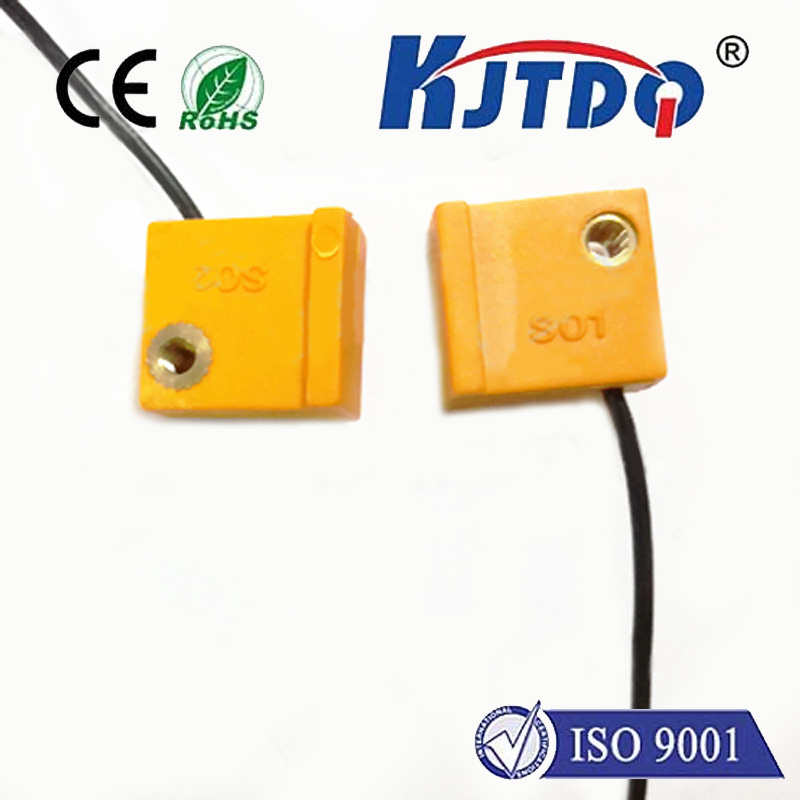
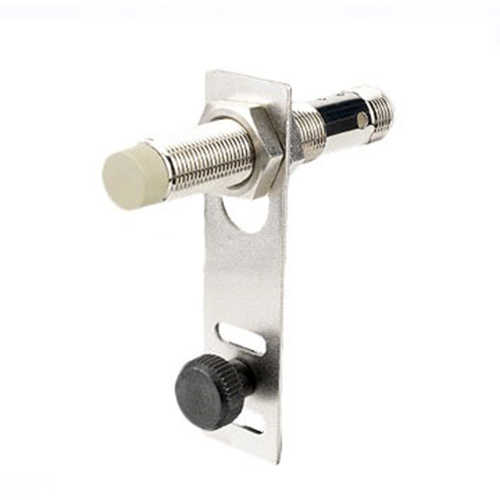
The KJTDQ series exemplifies the advancement in this technology. Engineered for robustness, these sensors are typically housed in rugged, sealed casings rated for IP67 or higher, making them resistant to dust, water, oil, and coolant splashes—common adversaries in industrial environments. Their 12V DC operation ensures compatibility with a vast array of standard power systems without the need for complex voltage converters. One of the critical advantages is their sensing distance. Depending on the model (inductive, capacitive, or photoelectric), KJTDQ sensors can detect metallic or non-metallic objects from a few millimeters to several centimeters away with high repeat accuracy. This non-contact nature eliminates physical impact on both the sensor and the target, preserving the integrity of delicate components.
The applications are virtually limitless. In automotive assembly lines, KJTDQ 12V sensors verify the correct positioning of engine blocks or door panels. In packaging machinery, they ensure bottles are upright and present before filling. Within automated guided vehicles (AGVs), they provide collision avoidance. In security systems, they can act as non-intrusive door or gate monitors. The 12V specification is particularly crucial for mobile applications, such as in vehicles, marine equipment, or portable machinery, where power is often drawn directly from a 12V battery system. The integration of these sensors directly contributes to enhanced productivity by enabling faster machine cycles, reducing downtime from mechanical failures, and improving overall process consistency.
Selecting the right 12V proximity sensor involves several considerations beyond just voltage. The sensing range, target material, output type (NPN or PNP, NO or NC), housing size and shape, and environmental ratings are all critical. The KJTDQ range typically offers clear options to meet these varied needs. For instance, an inductive KJTDQ sensor is ideal for detecting metals, while a capacitive version can handle plastics, liquids, or wood. Proper installation is equally important; ensuring the sensor is mounted securely, aligned correctly, and free from interference from other electromagnetic sources is key to optimal performance. Regular testing, as part of a preventive maintenance schedule, helps catch any potential drift in sensing performance before it leads to system errors.
Looking ahead, the role of the 12V proximity sensor, particularly reliable lines like KJTDQ, will only expand. As Industry 4.0 and the Internet of Things (IoT) evolve, these sensors are becoming smarter nodes in networked systems. Future iterations may include integrated IO-Link communication, allowing for remote configuration, diagnostics, and data exchange about operational status and wear, paving the way for predictive maintenance. Their inherent simplicity, durability, and critical function in safety interlocking systems ensure they will remain indispensable. For engineers and system integrators, understanding and utilizing high-quality components like the KJTDQ 12V proximity sensor is not just about making a machine work—it's about building a foundation for efficient, safe, and intelligent automation that drives industry forward.