check

check

check

check

check

check
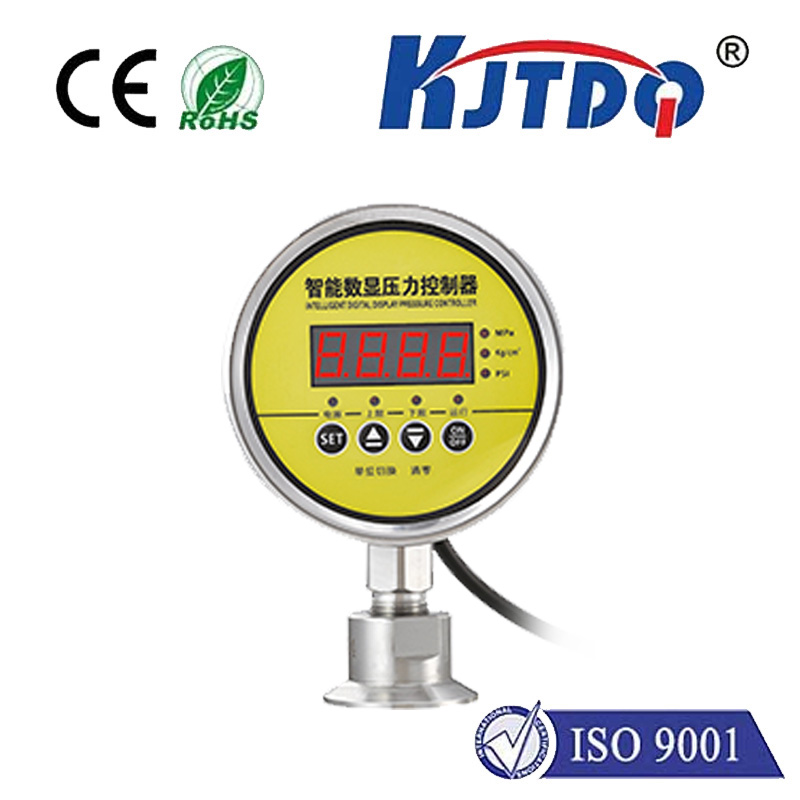
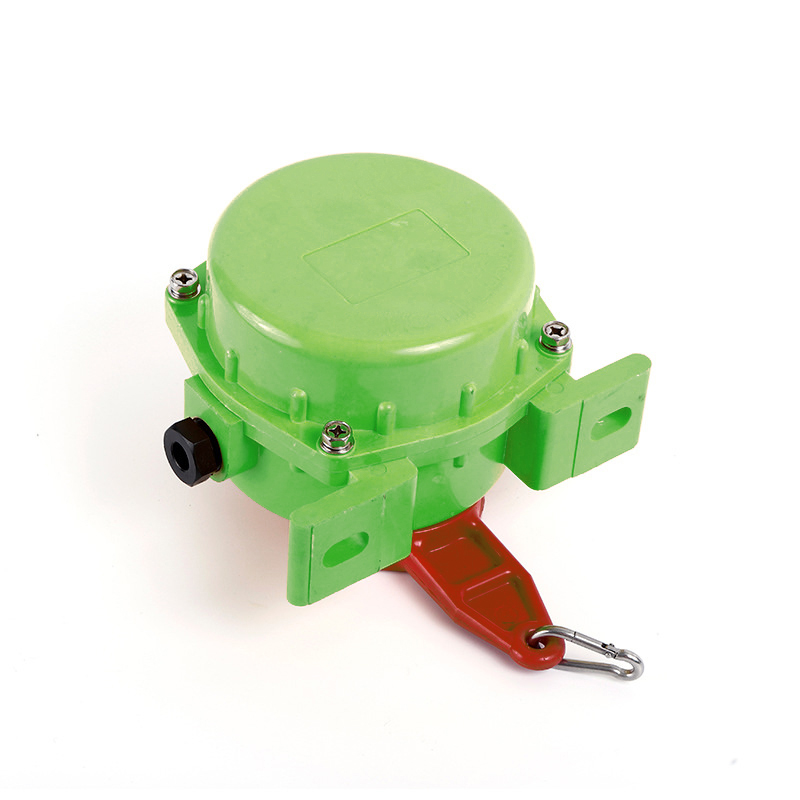
In today's rapidly evolving industrial landscape, the integration of advanced technologies has become paramount for enhancing operational efficiency and maintaining competitive advantage. Among these technologies, industrial automation sensors stand out as critical components driving the transformation of manufacturing processes. These sophisticated devices are designed to detect, measure, and respond to various physical parameters such as temperature, pressure, proximity, and motion, enabling seamless automation in factories and production lines.
The role of industrial automation sensors extends beyond mere data collection; they serve as the eyes and ears of automated systems, providing real-time feedback that ensures precision and consistency in operations. For instance, in automotive assembly lines, sensors monitor the alignment of parts, detect defects, and regulate robotic movements, thereby reducing human error and increasing throughput. Similarly, in the food and beverage industry, sensors help maintain stringent quality control by monitoring hygiene levels and ensuring compliance with safety standards. This level of automation not only boosts productivity but also minimizes waste and operational costs.
One of the key advancements in this field is the development of smart sensors equipped with Internet of Things (IoT) capabilities. These sensors can communicate with centralized control systems via wireless networks, facilitating predictive maintenance and data-driven decision-making. By analyzing sensor data, manufacturers can anticipate equipment failures before they occur, schedule timely repairs, and avoid costly downtime. Moreover, the integration of artificial intelligence and machine learning algorithms allows these sensors to adapt to changing conditions, optimizing processes dynamically without human intervention.
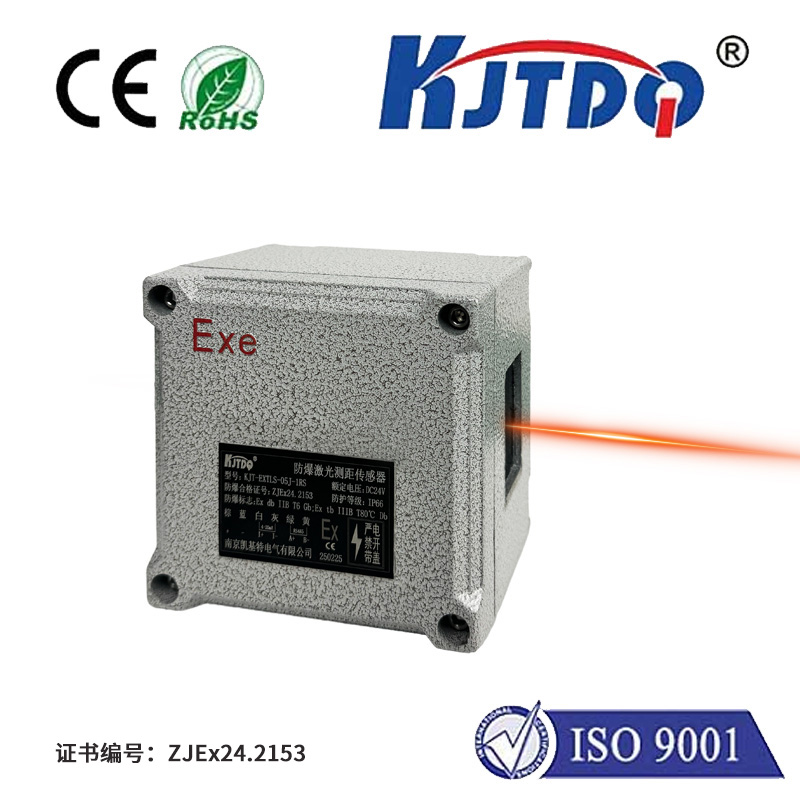
The adoption of industrial automation sensors is particularly crucial in hazardous environments where human presence poses significant risks. In chemical plants or mining operations, sensors detect toxic gases, monitor structural integrity, and trigger safety protocols, thereby protecting workers and assets. Additionally, in precision manufacturing sectors like electronics and pharmaceuticals, sensors ensure micron-level accuracy, which is essential for producing high-quality components and medications.
Despite their benefits, implementing industrial automation sensors requires careful consideration of factors such as compatibility, calibration, and cybersecurity. Selecting the right sensor type—whether inductive, capacitive, ultrasonic, or optical—depends on the specific application and environmental conditions. Regular maintenance and updates are necessary to sustain performance and protect against cyber threats that could disrupt automated systems.
Looking ahead, the future of industrial automation sensors is poised for further innovation with the emergence of edge computing and 5G technology. These developments will enable faster data processing and lower latency, enhancing the responsiveness of automated systems. As industries continue to embrace digital transformation, the demand for reliable and intelligent sensors will grow, solidifying their role as indispensable tools in modern manufacturing.
In conclusion, industrial automation sensors are at the heart of the fourth industrial revolution, driving efficiency, safety, and precision across diverse sectors. By leveraging these technologies, businesses can achieve higher levels of automation, reduce operational inefficiencies, and stay ahead in a competitive global market. The ongoing evolution of sensor technology promises even greater advancements, paving the way for smarter and more resilient industrial ecosystems.