check

check

check

check

check

check
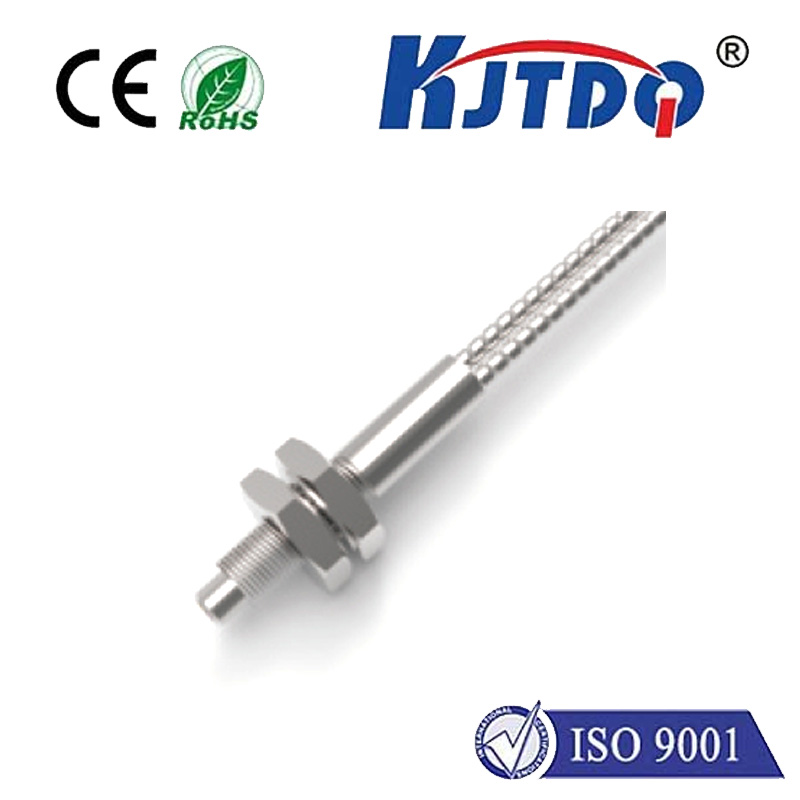
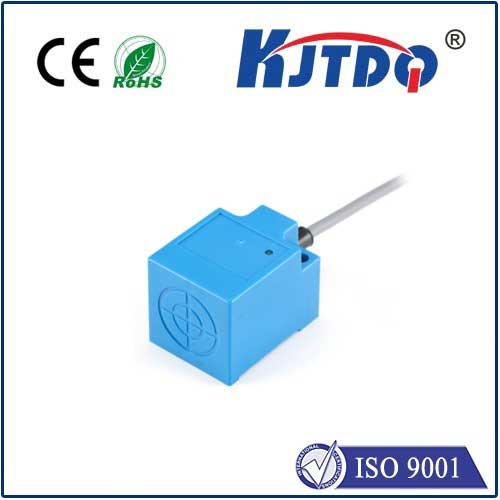
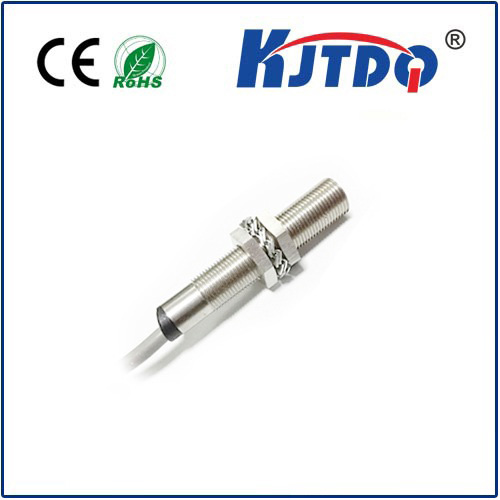
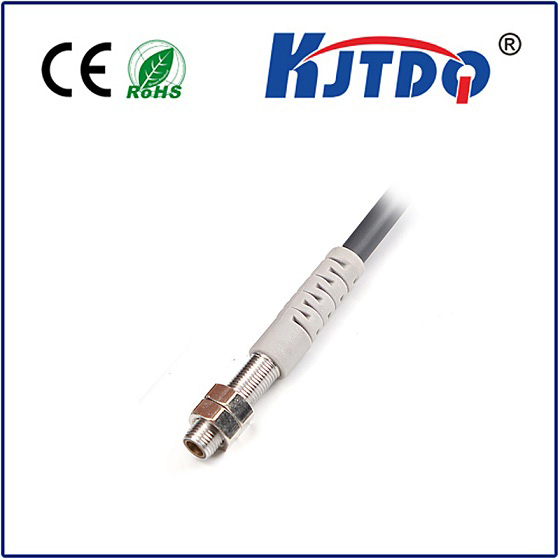
In the world of industrial automation and precision control, the M12 capacitive sensor stands as a cornerstone technology. Unlike its inductive counterpart, which detects only metals, the capacitive sensor operates on a different principle. It measures changes in capacitance caused by the presence of any material that affects an electrostatic field. This makes the M12 capacitive sensor exceptionally versatile, capable of detecting liquids, plastics, wood, glass, and even granular materials through non-metallic container walls. The standardized M12 housing, with its compact 12mm diameter and robust threaded design, ensures easy installation, high resistance to vibration, and reliable performance in harsh environments, from washdown areas in food processing to dusty manufacturing floors.
The core advantage of the M12 capacitive sensor lies in its adjustable sensing range and sensitivity. Most models feature a potentiometer that allows technicians to fine-tune the sensor, preventing false triggers from background materials like container walls. This adjustability is crucial for applications such as level detection in tanks, where the sensor must reliably detect the liquid or solid content without being affected by the tank material itself. Furthermore, these sensors are largely immune to environmental factors like dust, moisture, and ambient light, offering stable operation where optical sensors might fail. Their ability to function with a wide range of supply voltages, typically from 10-30V DC, adds to their flexibility in diverse electrical systems.
When selecting an M12 capacitive sensor, key specifications demand attention. The sensing distance, often shorter than inductive sensors for the same form factor, is a primary consideration. Standard ranges vary, but typical models offer sensing distances from 2mm to 8mm. The output type—PNP (sourcing) or NPN (sinking)—must match the controller's input requirements. Additionally, factors like the switching frequency, temperature rating, and housing material (often nickel-plated brass or stainless steel) are vital for ensuring compatibility with specific application demands, such as high-speed counting or operation in extreme temperatures.
Installation and maintenance are straightforward but require careful planning. Ensuring a stable power supply and proper grounding is essential for optimal performance. The sensor should be mounted securely, and the sensing face must have adequate clearance from surrounding metal or other materials to avoid shielding effects. Regular checks for buildup of material on the sensor face, which can alter its capacitance and cause drift, are recommended. For challenging setups, models with built-in temperature compensation or extended sensing ranges are available to maintain accuracy over time.
From packaging lines monitoring cardboard box presence to pharmaceutical systems verifying fluid levels in vials, the applications are vast. In the automotive industry, they control adhesive bead application by detecting the material flow. In agriculture, they monitor grain levels in silos. Their non-contact nature ensures no wear and tear on the target, leading to minimal maintenance and long service life. As Industry 4.0 evolves, smart M12 capacitive sensors with IO-Link connectivity are emerging, providing diagnostic data, parameter setting via software, and seamless integration into digital networks for predictive maintenance.
Ultimately, the M12 capacitive sensor is an indispensable tool for engineers seeking reliable, material-independent proximity detection. Its rugged design, adaptability, and proven performance make it a go-to solution for solving complex detection challenges across countless sectors. By understanding its operating principles and selection criteria, professionals can leverage this technology to enhance system reliability, efficiency, and automation intelligence.