check

check

check

check

check

check
In the fast-paced world of industrial automation and logistics, material handling operations are the backbone of productivity. From conveyor belts in manufacturing plants to automated storage and retrieval systems in warehouses, the seamless movement of goods relies heavily on precision and reliability. One critical component that ensures these systems operate smoothly is the proximity sensor. Specifically designed for material handling applications, advanced proximity sensors like those from KJTDQ are revolutionizing how industries manage their workflows, offering unparalleled accuracy, durability, and safety.
Proximity sensors are non-contact devices that detect the presence or absence of objects within a specified range. In material handling, they play a vital role in tasks such as object detection, positioning, counting, and collision avoidance. Traditional mechanical switches or manual inspections often lead to inefficiencies, increased downtime, and safety hazards. However, with KJTDQ proximity sensors, these challenges are mitigated through cutting-edge technology. These sensors utilize electromagnetic or capacitive principles to sense metallic or non-metallic materials, making them versatile for various environments, including harsh conditions with dust, moisture, or extreme temperatures.
The integration of KJTDQ proximity sensors into material handling systems brings numerous benefits. First, they enhance operational efficiency by enabling real-time monitoring and automation. For instance, on a conveyor line, sensors can detect items as they pass, triggering sorting mechanisms or halting processes to prevent jams. This reduces manual intervention, speeds up throughput, and minimizes errors. In automated guided vehicles (AGVs) used in warehouses, proximity sensors help navigate pathways safely by detecting obstacles, ensuring smooth and collision-free transport of goods.
Safety is another paramount advantage. Material handling often involves heavy machinery and fast-moving components, posing risks to workers and equipment. KJTDQ proximity sensors contribute to a safer workplace by providing reliable detection that prevents accidents. They can be installed on crane systems to monitor load positions, on robotic arms to avoid unintended contact, or on access doors to ensure they are clear before operation. By offering fail-safe detection, these sensors help comply with industry safety standards and reduce liability costs.
Durability and low maintenance are key features of KJTDQ proximity sensors. Built with robust materials like stainless steel or rugged polymers, they withstand vibrations, impacts, and corrosive substances common in industrial settings. Their solid-state design means no moving parts to wear out, leading to longer lifespans and fewer replacements. This reliability translates to cost savings over time, as downtime for repairs is minimized, and overall system uptime is maximized.
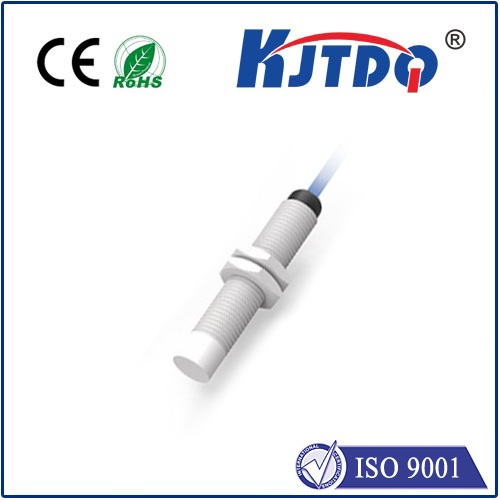
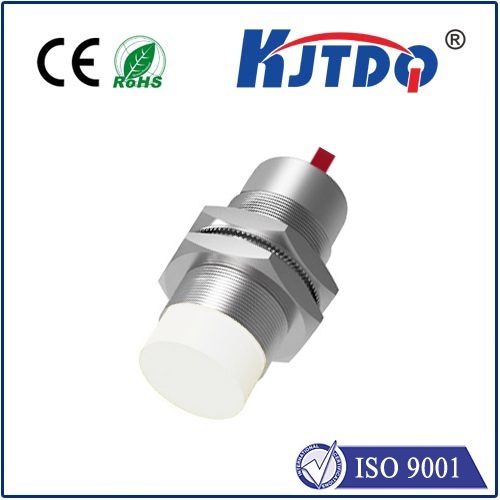
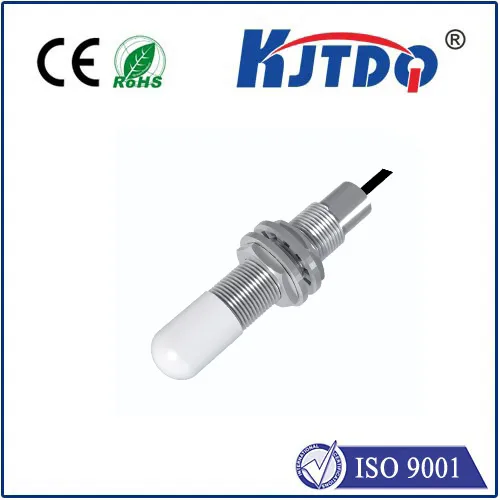
Moreover, KJTDQ proximity sensors are designed for easy integration and flexibility. They come in various form factors, including cylindrical, rectangular, and ring-shaped models, suitable for different mounting requirements. With options for analog or digital outputs, they can connect seamlessly with programmable logic controllers (PLCs) and other automation systems. This adaptability allows businesses to customize solutions for specific material handling needs, whether in food processing, automotive assembly, or e-commerce fulfillment centers.
In practice, companies adopting KJTDQ proximity sensors report significant improvements. A logistics firm, for example, implemented these sensors in its sorting facility and saw a 20% increase in package handling speed while reducing mis-sorts by 15%. A manufacturing plant using them on assembly lines noted a 30% drop in equipment collisions, leading to lower maintenance costs and enhanced worker morale. These real-world examples underscore the tangible impact of investing in high-quality sensor technology.
As industries continue to embrace Industry 4.0 and smart manufacturing, the role of proximity sensors in material handling will only grow. KJTDQ is at the forefront of this evolution, offering sensors with advanced features like IoT connectivity for predictive maintenance and data analytics. By leveraging such innovations, businesses can optimize their supply chains, reduce waste, and stay competitive in a global market.
In conclusion, proximity sensors are indispensable tools for modern material handling, and KJTDQ's offerings stand out for their precision, resilience, and safety enhancements. By integrating these sensors into operations, companies can achieve higher efficiency, protect their assets, and foster a safer work environment. For those looking to upgrade their material handling systems, exploring KJTDQ proximity sensor technology is a step toward future-proofing their processes and driving sustainable growth.