check

check

check

check

check

check
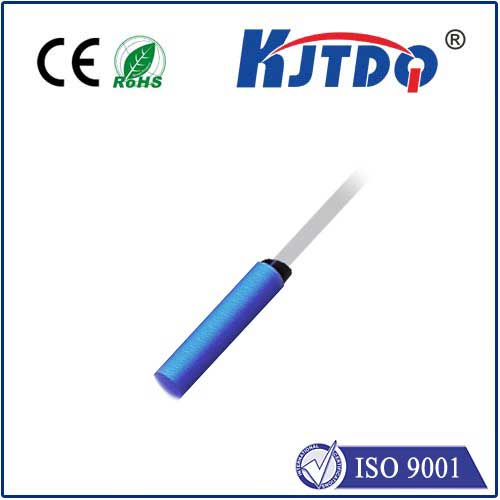
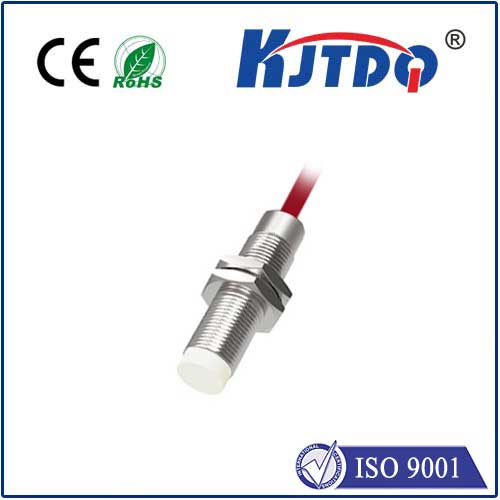
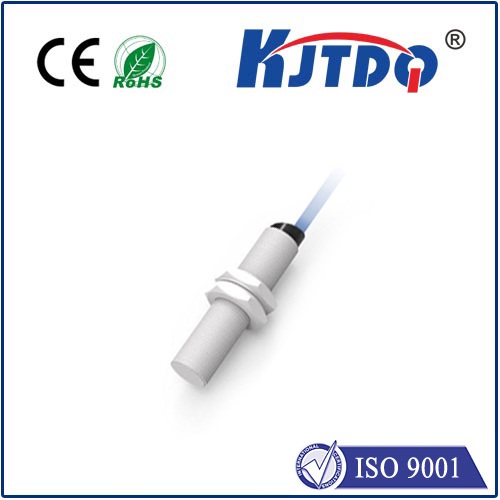
In the world of industrial automation, precision and reliability are non-negotiable. Among the myriad of components that keep modern production lines humming, the M12 proximity sensor stands out as a fundamental pillar of efficiency and safety. This compact, cylindrical device, characterized by its standardized M12 threaded housing, is engineered to detect the presence or absence of an object without any physical contact. Its role in countless applications, from packaging and material handling to robotics and automotive assembly, is both critical and often understated.
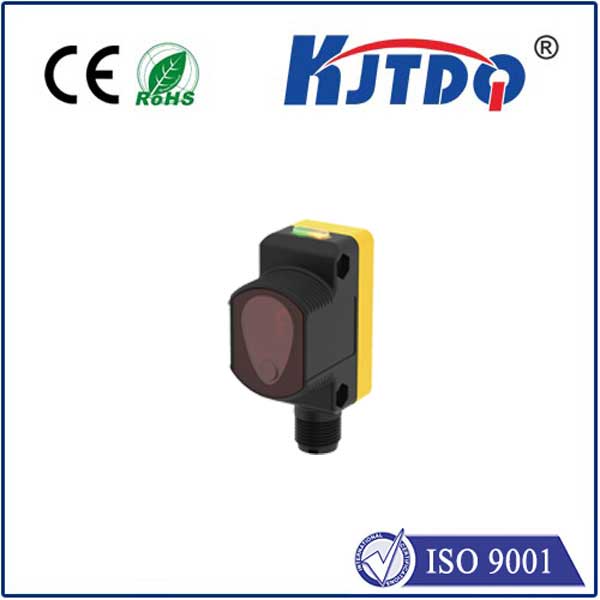
The core technology behind an M12 proximity sensor typically involves an electromagnetic field or a beam of light. Inductive sensors, the most common type, generate an oscillating electromagnetic field from their sensing face. When a metallic object enters this field, it induces eddy currents that dampen the oscillation, triggering the sensor's switch. This principle makes them exceptionally reliable for detecting metals in harsh environments filled with dust, oil, or coolant. Capacitive M12 sensors, on the other hand, can detect both metallic and non-metallic materials—like plastics, liquids, or wood—by sensing changes in capacitance. For applications requiring precise positioning or color detection, photoelectric M12 sensors use a light emitter and receiver, offering longer sensing ranges.
Why has the M12 form factor become so ubiquitous? The answer lies in its perfect balance of size, robustness, and standardization. The M12 connector, with its 12mm diameter threaded coupling, provides a secure, vibration-resistant connection that is also IP67 or higher rated, ensuring protection against water and dust ingress. This makes installation and maintenance remarkably straightforward, reducing downtime. The compact cylindrical shape allows for easy mounting in space-constrained locations, a common challenge in densely packed control panels and machinery.
Selecting the right M12 proximity sensor requires careful consideration of several key parameters. Sensing range, the maximum distance at which the sensor can reliably detect a target, is paramount. While standard ranges are sufficient for many tasks, specialized models offer extended capabilities. The output type is another crucial decision point; sensors come in NPN (sinking) or PNP (sourcing) transistor outputs, as well as analog or IO-Link versions for smart factory integration. The housing material, often nickel-plated brass or stainless steel, must be chosen to withstand the specific environmental conditions, including exposure to chemicals, extreme temperatures, or mechanical impact.
The integration of M12 proximity sensors into the framework of Industry 4.0 and the Industrial Internet of Things (IIoT) marks a significant evolution. Modern "smart" sensors equipped with IO-Link communication transcend simple on/off switching. They can transmit detailed diagnostic data—such as operating temperature, signal strength, or switch cycle counts—to a central controller. This enables predictive maintenance, where potential failures are identified before they cause unplanned stoppages, optimizing overall equipment effectiveness (OEE) and reducing operational costs.
From ensuring a robotic gripper has securely picked up a component to verifying that a bottle cap is properly seated on a filling line, the applications are virtually limitless. In automotive manufacturing, they count parts and control robotic welding arms. In food and beverage, stainless steel M12 sensors withstand washdowns while monitoring product flow. Their reliability provides the essential feedback that programmable logic controllers (PLCs) need to make real-time decisions, creating seamless, automated processes.
In conclusion, the M12 proximity sensor is far more than a simple switch. It is a sophisticated, rugged, and intelligent component that forms the sensory nervous system of automated industry. Its standardized design ensures compatibility and ease of use, while ongoing advancements in sensing technology and connectivity are pushing its capabilities further. For engineers and system integrators aiming to build resilient, efficient, and intelligent automated systems, understanding and leveraging the full potential of the M12 proximity sensor is not just an option—it is a fundamental requirement for success in the modern industrial landscape.