check

check

check

check

check

check
In modern industrial automation, precision and reliability are paramount. The KJTDQ NC proximity sensor stands as a critical component in achieving these goals, offering non-contact detection capabilities that streamline manufacturing processes. Unlike mechanical switches, this sensor operates without physical touch, using electromagnetic fields to detect the presence or absence of metallic objects. This fundamental feature significantly reduces wear and tear, leading to enhanced durability and lower maintenance costs over time.
The core technology behind the KJTDQ NC proximity sensor involves an oscillator circuit that generates a high-frequency electromagnetic field. When a metallic target enters this field, eddy currents are induced, causing a change in the oscillator's amplitude. This change is detected by the sensor's circuitry, which then switches its output state. The "NC" or Normally Closed designation indicates that the output circuit is closed when no target is present and opens upon detection. This configuration is often chosen for safety-critical applications where a wire break or power loss should trigger an alarm or shutdown, ensuring fail-safe operation.
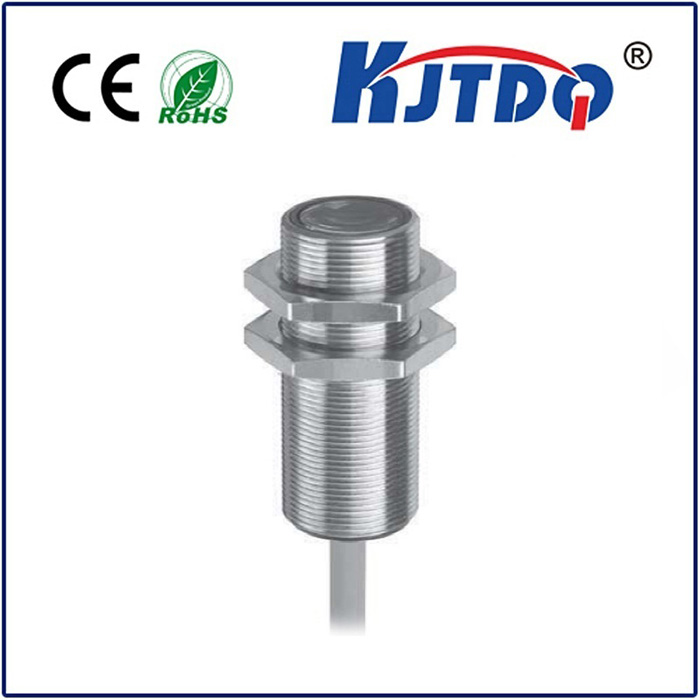
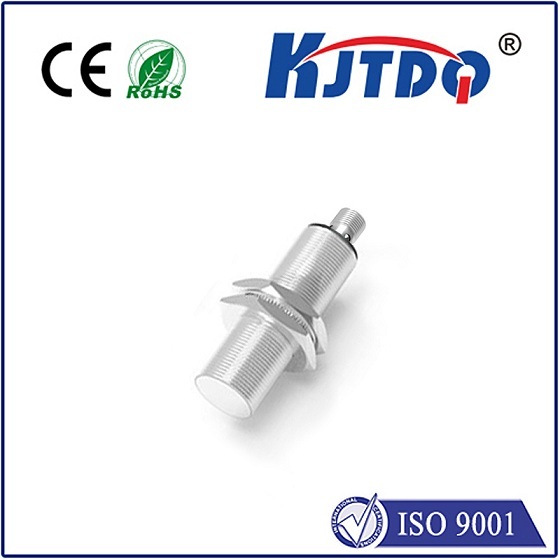
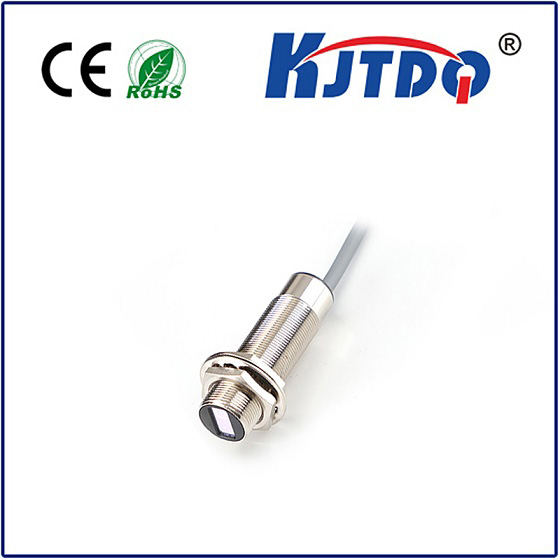
One of the primary advantages of the KJTDQ series is its robust construction. Designed to withstand harsh industrial environments, these sensors are typically housed in stainless steel or nickel-plated brass bodies, offering high resistance to moisture, dust, oils, and chemicals. This makes them ideal for deployment in automotive assembly lines, packaging machinery, material handling systems, and metalworking plants. Their immunity to environmental contaminants ensures consistent performance, minimizing false triggers and production downtime.
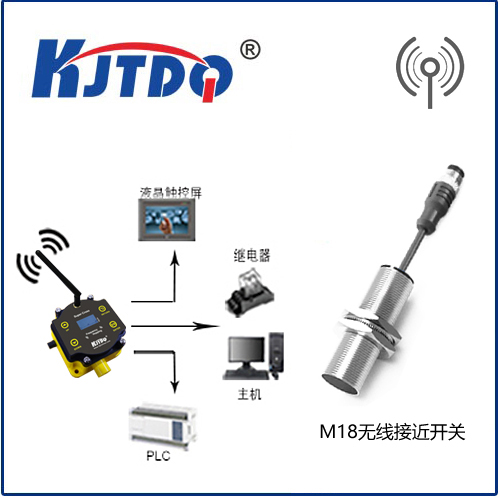
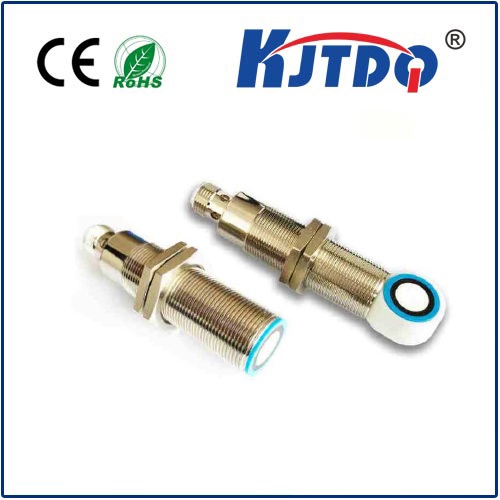
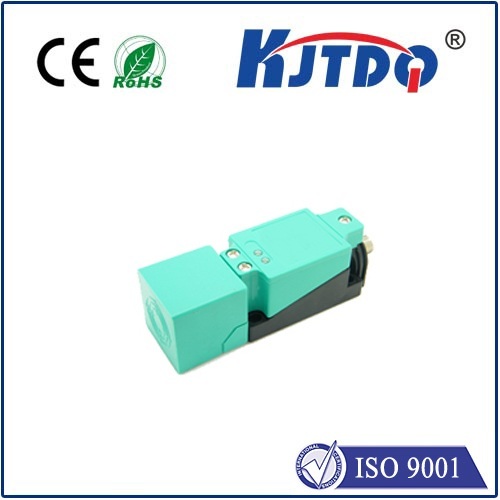
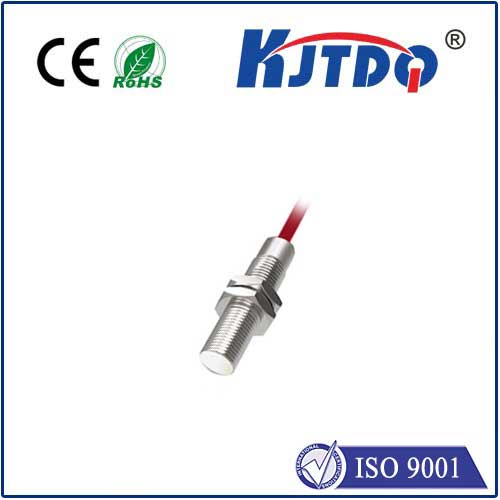
Installation and integration are straightforward, thanks to standardized form factors and connection methods. Many KJTDQ models feature LED indicators for easy status monitoring and adjustable sensing distances to fine-tune performance for specific tasks. The sensors are available in various shapes, including cylindrical, rectangular, and ring types, catering to diverse spatial constraints and application needs. Compatibility with programmable logic controllers (PLCs) and other industrial control systems is seamless, allowing for quick implementation into existing automation networks.
From an efficiency standpoint, the non-contact nature of these sensors enables high-speed operation. They can detect objects at rates far exceeding mechanical limit switches, which is crucial for high-throughput production lines. Furthermore, their precise and repeatable sensing ensures accurate positioning of components, improving overall product quality. For instance, in robotic welding cells, KJTDQ NC proximity sensors are used to verify the correct placement of parts before the welding process begins, preventing defects and material waste.
Energy consumption is another area where the KJTDQ NC proximity sensor excels. Modern designs incorporate low-power electronics without compromising sensing range or response time. This contributes to more sustainable operations and reduces the total cost of ownership. Additionally, the long operational lifespan, often measured in millions of cycles, means fewer replacements and less waste, aligning with modern industrial sustainability goals.
In conclusion, the KJTDQ NC proximity sensor is more than just a component; it is a foundational element for smart, reliable, and efficient industrial automation. Its ability to provide contactless, fail-safe detection in demanding conditions makes it an indispensable tool for engineers seeking to optimize productivity, ensure safety, and maintain high-quality standards. As industries continue to evolve towards greater connectivity and intelligence, the role of such precise and durable sensing technology will only become more central to operational success.