check

check

check

check

check

check
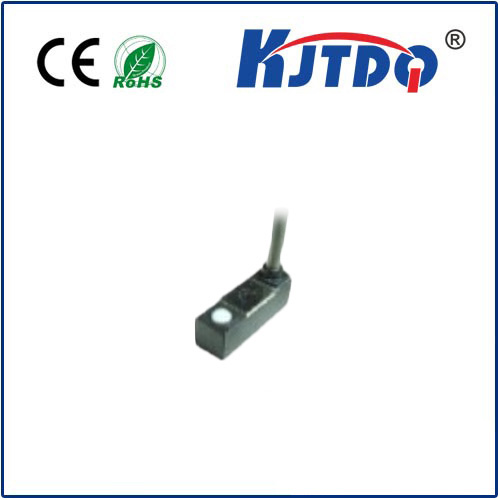
In the demanding world of industrial automation and process control, monitoring machinery and components operating in high-heat zones is a persistent challenge. Traditional sensors often fail when exposed to sustained elevated temperatures, leading to inaccurate readings, unexpected downtime, and potential safety hazards. This is where the high temperature proximity sensor steps in as a critical solution, engineered specifically to deliver reliable, non-contact detection and measurement in the most punishing thermal conditions.
Unlike standard inductive or capacitive proximity sensors, which have operational limits typically below 100°C, high temperature variants are built with specialized materials and designs. They incorporate high-temperature-resistant housing, often made from advanced ceramics or specific stainless-steel alloys, and feature internal components like coils and electronics that can withstand ambient temperatures ranging from 150°C to over 300°C, and in some specialized models, even higher. This robust construction prevents thermal degradation, ensuring the sensor's longevity and stable performance when mounted near furnaces, ovens, molten metal handling equipment, hot extruders, or within engine compartments.
The core technology behind these sensors remains largely inductive or capacitive, but it is their execution that differs. They work on the principle of detecting the presence or absence of a metallic or non-metallic target by creating an electromagnetic or electrostatic field. When a target enters this field, it causes a change in oscillation or capacitance, which the sensor's conditioned circuitry interprets as a switch signal or a precise distance measurement. The advanced electronics are thermally shielded and compensated to prevent drift, meaning the sensing distance remains consistent regardless of the surrounding heat. This is paramount for applications like monitoring the position of a valve in a hot pipeline, detecting the presence of a red-hot billet on a conveyor, or ensuring proper gap control in high-temperature sealing processes.
The benefits of deploying high temperature proximity sensors are substantial. First and foremost is enhanced reliability. By functioning correctly in extreme heat, they prevent false triggers and signal loss, contributing to uninterrupted production flow. This reliability directly translates to increased operational efficiency and reduced maintenance costs, as there is less need for frequent replacements or cooling systems to protect the sensors. Furthermore, they bolster safety by providing accurate monitoring of hazardous high-temperature processes, helping to prevent equipment failure and accidents. Their non-contact nature also means there is no physical wear from touching the target, which is especially valuable when monitoring moving hot surfaces.
Selecting the right high temperature proximity sensor requires careful consideration of several parameters. The maximum ambient temperature is the primary factor, but one must also consider the sensing distance required, the size and material of the target, the required output type (e.g., PNP, NPN, analog), and the electrical connection style. Environmental factors like exposure to chemicals, steam, or heavy vibration should also be evaluated. Proper installation is equally crucial; ensuring adequate clearance from the hottest surfaces and using appropriate high-temperature cables and connectors will guarantee the sensor performs as specified over its entire service life.
From glass manufacturing and metal casting to power generation and aerospace testing, industries that operate at the edge of thermal limits depend on these specialized sensors. They are the unseen guardians that enable automation and precise control where few other components can survive. As industrial processes push toward higher efficiencies and temperatures, the evolution of high temperature proximity sensors continues, with research focused on even more resilient materials and smarter, integrated diagnostics. For engineers and plant managers, integrating these robust sensors is not merely an upgrade but a strategic investment in resilience, precision, and the seamless operation of their most critical high-heat applications.