check

check

check

check

check

check
In the humming heart of a modern smart factory, where robotic arms dance with precision and autonomous guided vehicles glide silently along their paths, an unseen sentinel works tirelessly to ensure safety, efficiency, and seamless operation. This guardian is the proximity sensor, a fundamental yet transformative component that forms the sensory nervous system of Industry 4.0. Far from being a simple switch, today's advanced proximity sensors are intelligent nodes, feeding critical real-time data into the broader Industrial Internet of Things (IIoT) ecosystem, enabling a level of automation and insight previously unimaginable.
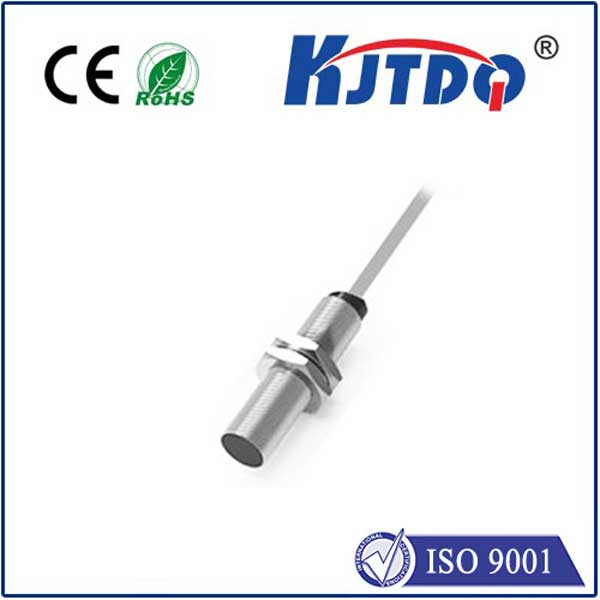
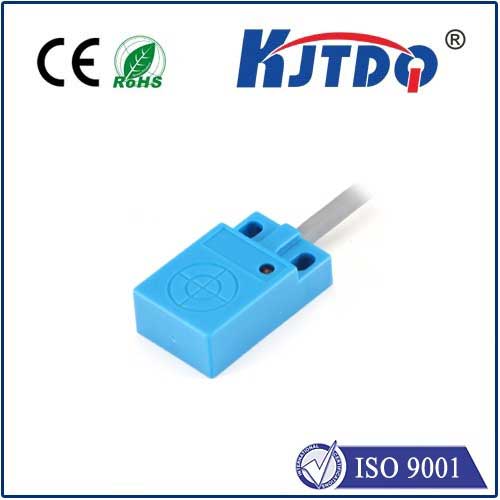
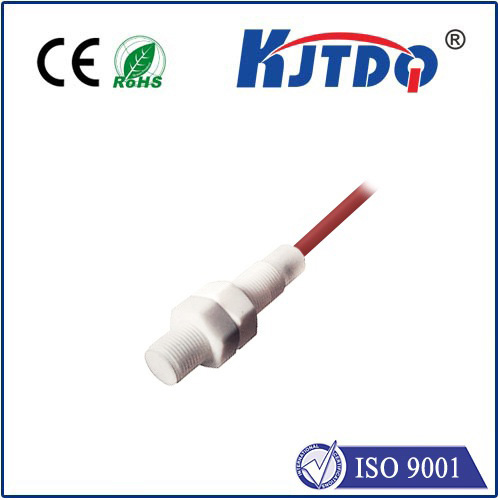
The core function of a proximity sensor is deceptively simple: to detect the presence or absence of an object within a specified range without physical contact. This non-contact operation is its superpower. In the demanding environment of a smart factory, where machinery operates at high speeds and in tight quarters, physical limit switches or mechanical detectors are prone to wear, require maintenance, and can cause downtime. Inductive proximity sensors, for instance, excel in detecting metallic objects—perfect for verifying the position of a robotic gripper, counting metal parts on a conveyor, or ensuring a machine tool turret is correctly indexed. For non-metallic materials like plastic, glass, or liquid levels, capacitive proximity sensors step in, offering versatile detection capabilities crucial in packaging, bottling, or material handling applications.
The integration of these sensors into a smart factory framework unlocks their true potential. Each detection event is no longer an isolated signal. Instead, it becomes a data point. When a sensor confirms a component is in place at a workstation, it triggers the next step in the assembly process and simultaneously logs the event to a central control system. This continuous stream of data allows for predictive maintenance. By monitoring the operational frequency and response times of sensors embedded in critical machinery, algorithms can identify patterns indicative of impending failure—such as a gradual decrease in detection range due to sensor head contamination or misalignment—and schedule maintenance before a catastrophic breakdown occurs. This shift from reactive to predictive maintenance is a cornerstone of smart manufacturing, drastically reducing unplanned downtime and operational costs.
Furthermore, proximity sensors enhance human-robot collaboration (HRC), a key trend in flexible manufacturing. Advanced safety-rated laser scanners and area sensors create dynamic safety zones around collaborative robots (cobots). When a human worker enters a predefined zone, the sensor data instructs the cobot to slow down; if the worker moves closer, the robot can stop entirely. This allows humans and machines to work side-by-side safely, combining human dexterity and problem-solving with robotic strength and precision. Proximity sensors thus act as the essential "eyes" that enable this safe coexistence.
Quality control is another arena where these sensors prove indispensable. High-precision sensors can detect minute variations in part placement, orientation, or even surface defects. On a high-speed production line, a sensor can verify that every bottle has a cap, every circuit board has a mounted component, or that a label is applied correctly. Any anomaly triggers an immediate rejection or alert, preventing defective products from proceeding down the line and ensuring consistent output quality. This real-time inspection, integrated with data analytics, helps in tracing quality issues back to specific machine parameters or process stages.
The choice and deployment of proximity sensors in a smart factory require careful consideration. Factors like sensing range, material composition of the target, environmental conditions (temperature, dust, moisture), required output type (digital or analog), and communication protocol (IO-Link, Profinet, EtherCAT) are critical. Modern sensors with IO-Link capability are particularly valuable as they provide not just a simple on/off signal but also detailed diagnostic data like temperature, operating voltage, and signal strength, enabling deeper process transparency and easier configuration.
In conclusion, the proximity sensor is the unsung hero of the smart factory revolution. It is a critical enabler of automation, safety, data-driven decision-making, and operational resilience. By providing reliable, non-contact detection and rich operational data, these devices form the essential sensory layer that allows machines to perceive their environment, interact safely, and communicate intelligently. As smart factories evolve towards greater autonomy and adaptability, the role of the sophisticated, connected proximity sensor will only become more central, quietly guarding the efficiency and innovation of modern manufacturing.