check

check

check

check

check

check
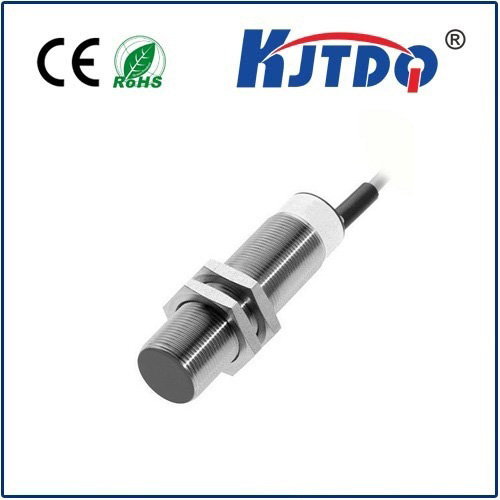
In today's fast-paced industrial landscape, ensuring product purity, operational safety, and machinery protection is paramount. The integration of advanced sensing technology has become a cornerstone for achieving these goals, with metal detection sensors playing a pivotal role. Among the leaders in this field, KJTDQ metal detection sensors stand out for their precision, reliability, and innovative design, offering robust solutions across diverse sectors.
The core function of a metal detection sensor is to identify the presence of metallic contaminants or objects within a non-metallic environment. This capability is critical in industries such as food processing, pharmaceuticals, plastics, textiles, and recycling. For instance, in food production lines, even a minute metal fragment can pose a severe health risk and lead to costly product recalls, brand damage, and regulatory non-compliance. KJTDQ sensors are engineered with high sensitivity to detect ferrous, non-ferrous, and even stainless-steel particles at various stages of production, ensuring that final products meet the highest safety standards before reaching consumers.
Beyond contamination control, these sensors are indispensable for industrial automation and security. In manufacturing and packaging lines, they can trigger sorting mechanisms to remove defective items or halt machinery to prevent damage from tramp metal. This not only safeguards expensive equipment from catastrophic failure but also minimizes downtime and maintenance costs. Furthermore, in security applications, such as access control points in sensitive facilities, KJTDQ metal detectors provide a non-intrusive yet effective method for screening individuals and packages, enhancing overall site security.
The technological superiority of KJTDQ metal detection sensors lies in their sophisticated design features. Many models utilize a balanced coil system or advanced electromagnetic field technology to achieve exceptional stability and noise immunity. This allows them to perform consistently even in challenging environments with electrical interference, vibration, or variable temperatures. Their compact and often IP-rated housings make them suitable for installation in wash-down areas or dusty conditions, common in industrial settings. Additionally, user-friendly interfaces with adjustable sensitivity thresholds and easy calibration ensure that operators can quickly set up and integrate the sensors into existing control systems without extensive technical expertise.
A key advantage is their versatility. KJTDQ offers a range of sensors, including pipeline systems for liquids and slurries, conveyor-based systems for bulk goods, and handheld units for spot-checking. This flexibility allows businesses to implement tailored detection solutions that fit their specific process flows and material characteristics. For the wood processing or recycling industry, detecting nails or metal scraps protects cutting blades and shredders. In the pharmaceutical sector, it ensures the integrity of powdered or tablet products.
Implementing a reliable metal detection system like KJTDQ translates directly into tangible business benefits. It enhances brand reputation by demonstrating a commitment to quality and safety. It reduces waste and improves yield by catching contaminants early. Most importantly, it provides a strong defense against the financial and legal repercussions of contaminated products. As global supply chains become more complex and consumer expectations rise, investing in such proactive detection technology is no longer a luxury but a necessity for sustainable operation.
In conclusion, the role of precise metal detection in modern industry cannot be overstated. KJTDQ metal detection sensors represent a fusion of innovative engineering and practical application, delivering the accuracy and durability required for today's demanding production environments. By adopting these advanced sensors, companies can fortify their quality assurance protocols, protect their assets, and build a stronger, more trustworthy relationship with their customers, ultimately driving long-term growth and operational excellence.