check

check

check

check

check

check
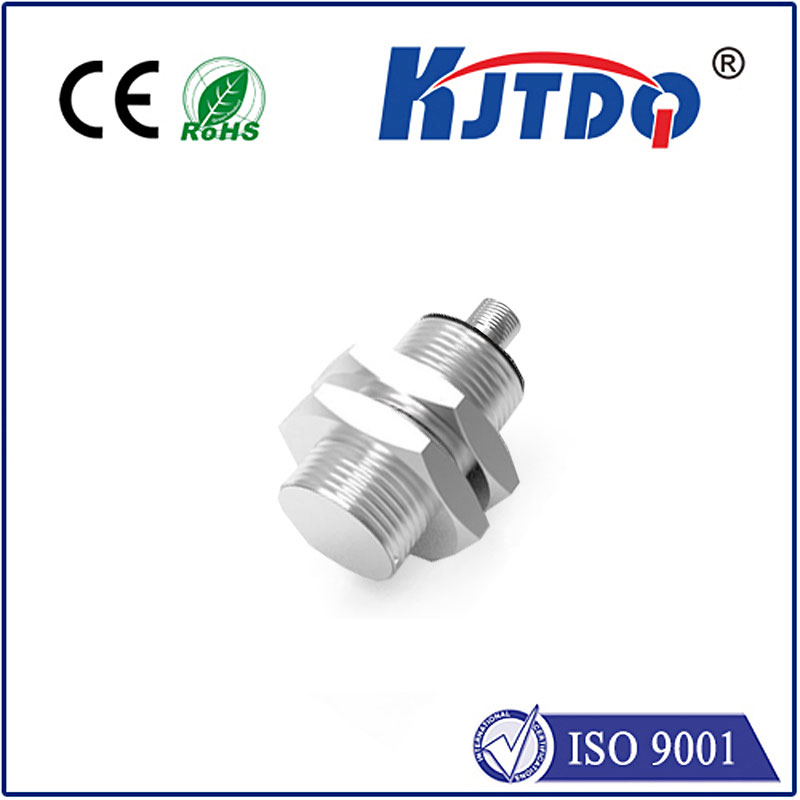
In the demanding world of industrial automation and machinery, the reliability of every component is paramount. Sensors, as the eyes and ears of a system, face constant challenges from dust, moisture, vibrations, and temperature extremes. A single point of failure can lead to costly downtime, production losses, and safety hazards. This is where the IP67 Proximity Sensor, specifically engineered for resilience, becomes an indispensable asset. The designation "IP67" is not just a marketing term; it is a rigorous international standard defined by the International Electrotechnical Commission (IEC). The "IP" stands for Ingress Protection, and the two digits that follow specify the level of protection against solids and liquids. The first digit, "6," signifies complete protection against dust ingress. This is the highest rating for solid particle protection, meaning the sensor is dust-tight. No harmful quantities of dust can penetrate the enclosure, ensuring consistent performance in environments like woodshops, foundries, or grain handling facilities. The second digit, "7," indicates protection against the effects of temporary immersion in water. The sensor can withstand being submerged in up to 1 meter of water for 30 minutes. This makes it highly resistant to washdowns, spills, heavy rain, and temporary flooding, which are common in food processing, beverage manufacturing, and outdoor applications. Proximity sensors are non-contact devices that detect the presence or absence of a target object. They work by emitting an electromagnetic field or a beam of electromagnetic radiation and looking for changes in the field or return signal. The most common types are inductive (for detecting metals), capacitive (for detecting both metals and non-metals like liquids or plastics), and photoelectric. An IP67-rated housing ensures the sensitive internal electronics of these sensors are completely shielded from environmental contaminants. The robust construction typically involves a stainless-steel sensing face, a nickel-plated brass or stainless-steel housing, and laser-welded seams sealed with high-grade epoxy. This physical robustness is paired with advanced sensing technology. Modern IP67 Proximity Sensors offer exceptional sensing ranges, high switching frequencies for fast-moving applications, and immunity to electrical noise from motors and variable frequency drives. They provide stable performance across a wide temperature range, often from -25°C to +70°C. The benefits of deploying IP67 Proximity Sensors are substantial. First and foremost is enhanced reliability and uptime. By eliminating failures caused by environmental factors, these sensors ensure continuous operation of production lines. This directly translates to reduced maintenance costs and lower total cost of ownership, as the need for frequent replacements is minimized. Secondly, they enable automation in previously challenging areas. Applications such as automated guided vehicles (AGVs) operating in warehouses, robotic arms in humid conditions, or packaging machinery requiring frequent sanitation washes are now feasible with these rugged sensors. Furthermore, they contribute to improved safety by providing fail-safe detection in wet or dusty conditions, preventing machine accidents. When selecting an IP67 Proximity Sensor, several key factors must be considered. The sensing type (inductive, capacitive, or photoelectric) must match the target material. The sensing distance should have a sufficient margin for the application to account for mechanical tolerances. The output configuration (NPN, PNP, analog, or IO-Link) must be compatible with the control system. IO-Link, a growing standard, adds a layer of digital intelligence, allowing for parameter setting, condition monitoring, and diagnostic data readout, taking predictive maintenance to a new level. Electrical connection styles, such as pre-wired cables or quick-disconnect connectors, also impact installation ease and serviceability. Real-world applications are vast. In the automotive industry, they reliably detect metal parts on assembly lines amidst coolant mists. In agriculture and construction, they monitor equipment position on heavy machinery exposed to mud and rain. In food and beverage, they withstand daily high-pressure, high-temperature cleaning cycles without degradation. For system integrators and plant engineers, choosing a sensor with the IP67 rating is a proactive step toward building more robust, efficient, and future-proof industrial systems. It is an investment in precision that endures.