check

check

check

check

check

check
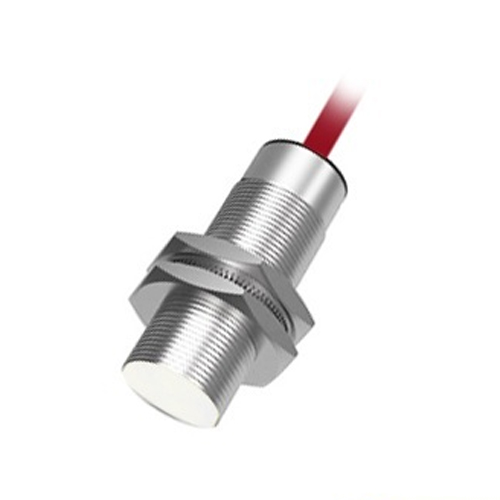
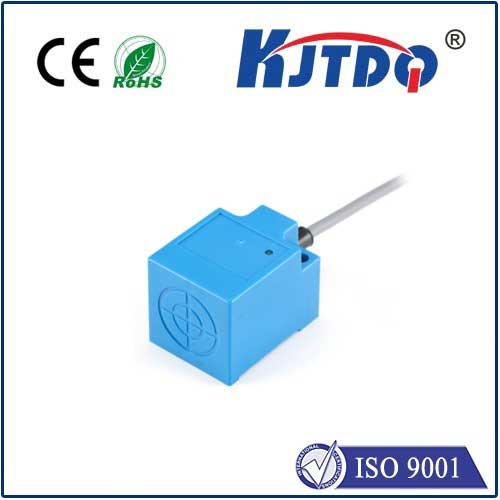
In the world of industrial automation, precision, reliability, and durability are non-negotiable. Among the myriad of sensing technologies available, the inductive proximity sensor stands out as a cornerstone for countless applications. This robust device operates on a simple yet brilliant principle: it generates an electromagnetic field. When a metallic object enters this field, eddy currents are induced within the target, causing a change in the sensor's own oscillation amplitude. This change is detected by the sensor's circuitry, which then triggers a solid-state output signal—all without any physical contact.
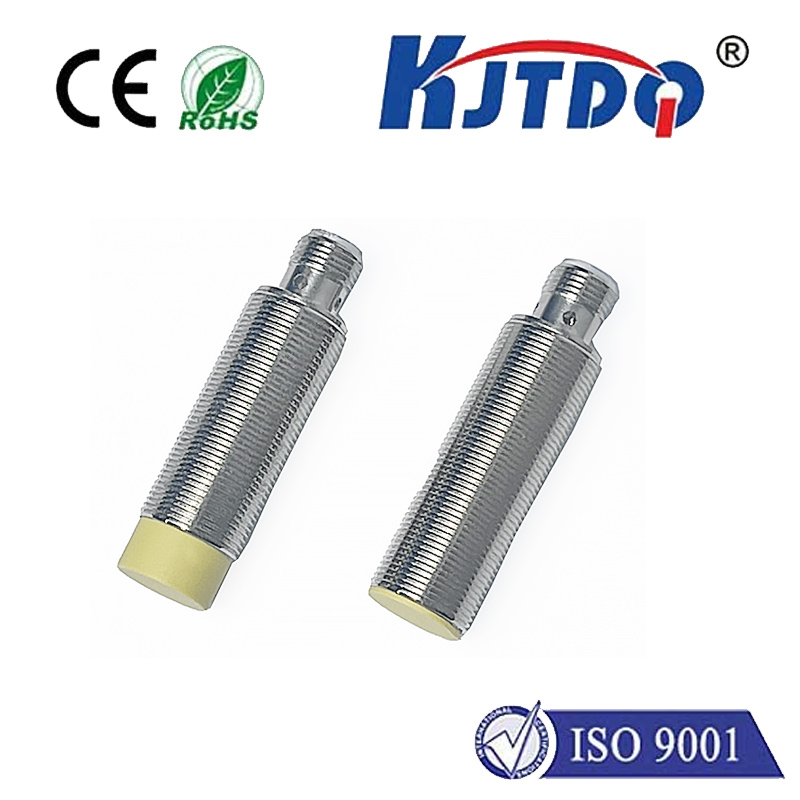
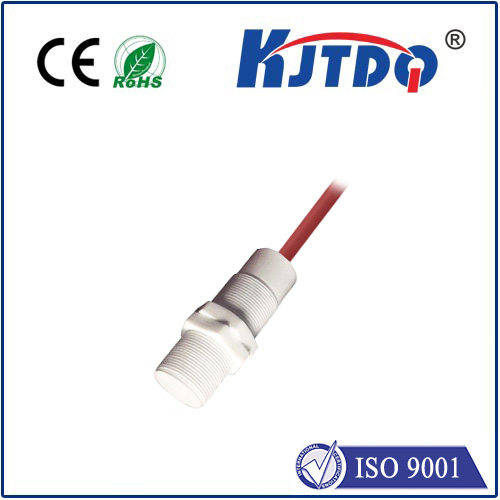
The core advantage of this technology is its remarkable resilience. Sealed within a sturdy housing, typically made of nickel-plated brass or stainless steel, inductive sensors are impervious to common industrial adversaries like dust, oil, coolant, and moisture. Unlike optical sensors, they are completely unaffected by ambient light or dirty environments. This makes them the go-to choice for harsh settings such as machining centers, welding lines, and heavy-duty assembly stations. The absence of moving parts translates to virtually wear-free operation, ensuring a long service life measured in millions of cycles.
When selecting an inductive proximity sensor, several key specifications demand attention. The sensing range, which is relatively short compared to other sensors, is precisely defined for each model and is critically dependent on the target material. Standard sensors are optimized for mild steel, offering the nominal range. For stainless steel, the effective range reduces, and for non-ferrous metals like aluminum or copper, it reduces even further. The sensor's diameter often correlates with its sensing distance. Another vital parameter is the switching frequency, which determines how quickly the sensor can detect objects passing by, a crucial factor in high-speed production lines. Furthermore, the output type—whether NPN (sinking) or PNP (sourcing)—must be compatible with the control system's PLC input module.
Installation and application require careful consideration. Metal surrounding the sensor's sensing face can diminish its effective range, a phenomenon known as shielding. Therefore, manufacturers specify minimum lateral and flush-mounting distances to ensure optimal performance. These sensors excel in myriad tasks: counting metal parts on a conveyor, verifying the presence of a nut on an assembly, determining the end position of a cylinder, or detecting the teeth of a gear for speed monitoring. Their binary output (object present or not) provides a fundamental building block for machine logic.
The "KJTDQ" series represents a modern evolution within this proven technology. Engineered for enhanced performance, these sensors often feature extended sensing ranges, improved temperature stability, and advanced diagnostics like short-circuit and overload protection. Some models incorporate IO-Link capability, transforming them from simple switches into intelligent devices that can communicate detailed operational data—such as temperature, operating hours, or signal strength—to higher-level control systems, enabling predictive maintenance and finer process optimization.
From controlling robotic arms to ensuring safety in automated guided vehicles, the inductive proximity sensor remains an indispensable workhorse. Its simplicity, toughness, and cost-effectiveness ensure its continued dominance in factory floors worldwide. For engineers and maintenance professionals, understanding its principles and proper application is key to building robust, fault-resistant automation systems that maximize uptime and productivity.