check

check

check

check

check

check
In the demanding world of industrial automation, equipment reliability is non-negotiable. Machinery operates under extreme conditions—constant vibration, temperature fluctuations, exposure to dust, moisture, and corrosive chemicals. A standard sensor might falter, leading to costly downtime, production errors, and safety risks. This is where the Heavy Duty Proximity Sensor, specifically models like the KJTDQ series, steps in as an indispensable component for modern manufacturing and processing facilities.
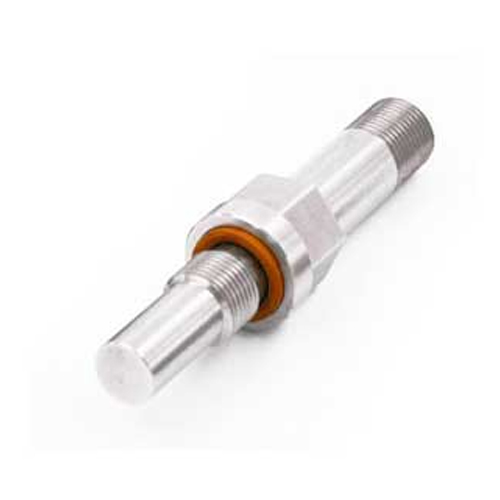
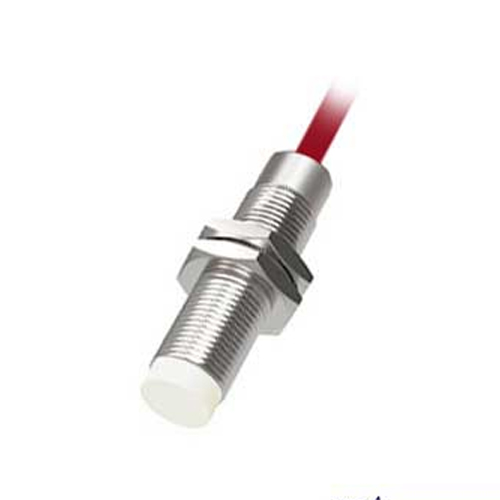
Unlike conventional sensors, a heavy-duty proximity sensor is engineered from the ground up for resilience. Its core function remains the same: to detect the presence or absence of an object without physical contact, typically using inductive, capacitive, or ultrasonic principles. However, the construction is what sets it apart. The housing is often made of robust, corrosion-resistant materials like stainless steel (V4A/AISI 316L) or nickel-plated brass. These materials can withstand impacts, abrasive dust, and washdowns with high-pressure cleaners or harsh solvents common in food processing, chemical plants, or foundries.
The sealing is another critical aspect. A true heavy-duty sensor boasts an IP67, IP68, or even IP69K rating. This means it is completely protected against dust ingress and can withstand immersion in water under specified pressure and time conditions. IP69K specifically certifies the sensor for direct high-pressure, high-temperature steam cleaning, making it ideal for the stringent hygiene requirements of pharmaceutical and beverage industries. This level of protection ensures that internal electronics remain completely isolated from the external environment, guaranteeing consistent performance.
Electrical robustness is equally important. These sensors are designed to handle voltage spikes, electromagnetic interference (EMI), and continuous operation in wide temperature ranges, often from -25°C to +70°C or beyond. The KJTDQ series, for instance, incorporates advanced circuitry that provides exceptional stability against such interference, preventing false triggering that could disrupt an entire production line. Many models also feature short-circuit and reverse-polarity protection, safeguarding both the sensor and the connected control system from installation errors or wiring faults.
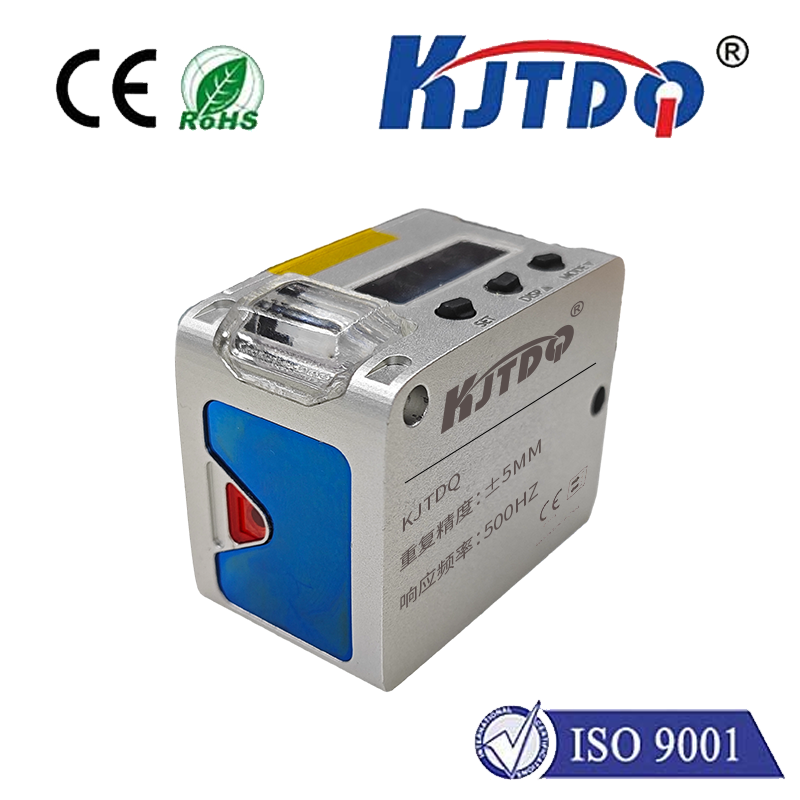
The applications for a heavy-duty proximity sensor are vast and varied. In automotive manufacturing, they reliably detect metal parts on fast-moving assembly lines amidst coolant mist and metal shavings. In lumber mills, they perform flawlessly despite sawdust clouds. In material handling, they monitor the position of heavy containers and pallets in all weather conditions. In agricultural machinery, they endure mud, vibration, and temperature extremes. The KJTDQ sensor, with its rugged design, is particularly suited for these challenging roles, offering long-term reliability where other sensors would quickly degrade.
Selecting the right sensor involves several key considerations. First, identify the sensing material—inductive sensors for metals, capacitive for non-metals, liquids, or granular materials. Next, assess the environmental factors: the level of moisture, dust, chemical exposure, and mechanical stress. The required sensing distance and output type (PNP/NPN, analog, IO-Link) must match the control system. Finally, consider the physical size and mounting style (threaded barrel, rectangular) to fit the application space. The versatility of the KJTDQ line often covers a broad spectrum of these needs within a single, reliable product family.
The return on investment from deploying heavy-duty sensors like the KJTDQ is clear. While the initial cost may be higher than a standard sensor, the long-term savings are substantial. Reduced frequency of replacement, minimized unplanned downtime, lower maintenance costs, and the prevention of product quality issues all contribute to a lower total cost of ownership. More importantly, they enhance overall plant safety and operational continuity. By providing a dependable signal in critical control loops, these sensors are silent guardians of efficiency and productivity.
In conclusion, for any industrial application where conditions are tough and failure is not an option, a heavy-duty proximity sensor is not just an accessory but a necessity. The engineering embodied in products such as the KJTDQ series represents a commitment to durability and precision. It empowers engineers and facility managers to build more resilient automation systems, pushing the boundaries of what's possible in harsh industrial landscapes while ensuring smooth, uninterrupted, and safe production cycles. Investing in such robust sensing technology is ultimately an investment in the future-proofing of industrial operations.