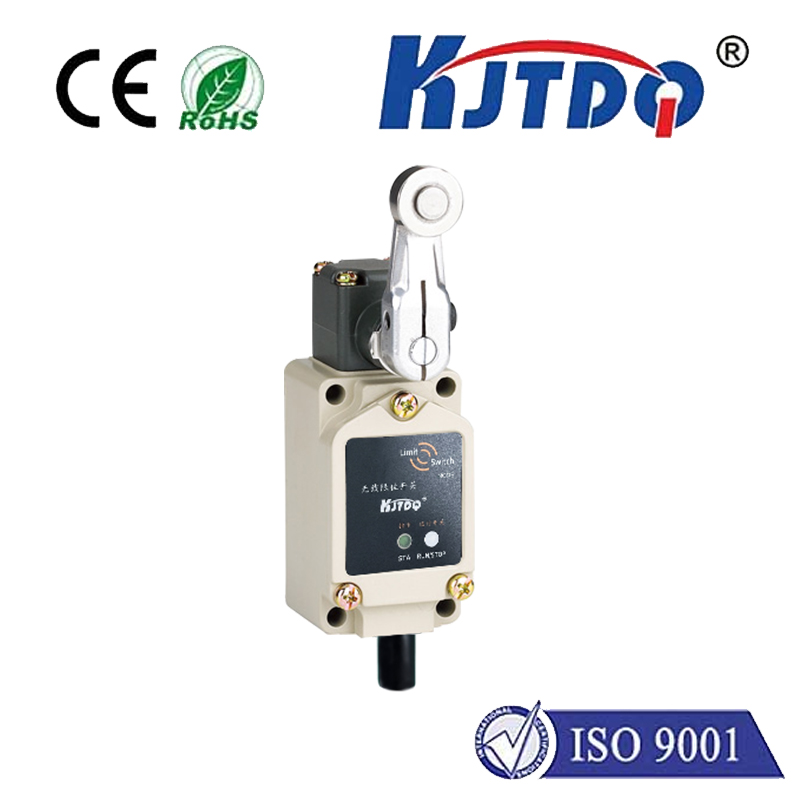
check

check

check

check

check

check
In the fast-paced world of industrial automation and material handling, conveyor systems serve as the vital arteries, ensuring the seamless flow of goods and materials. The reliability and efficiency of these systems are paramount to operational success. A critical component that often goes unnoticed but plays a pivotal role in maintaining this smooth operation is the proximity sensor. Specifically designed for conveyor applications, advanced proximity sensors like the KJTDQ series are revolutionizing how industries monitor, control, and protect their conveyor lines.
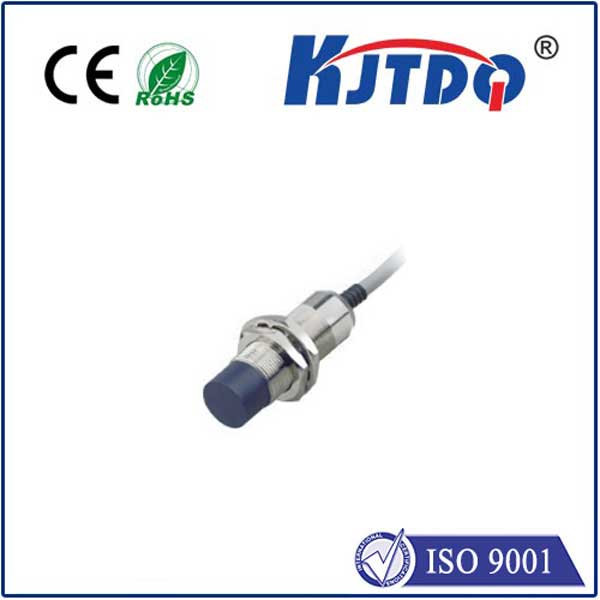
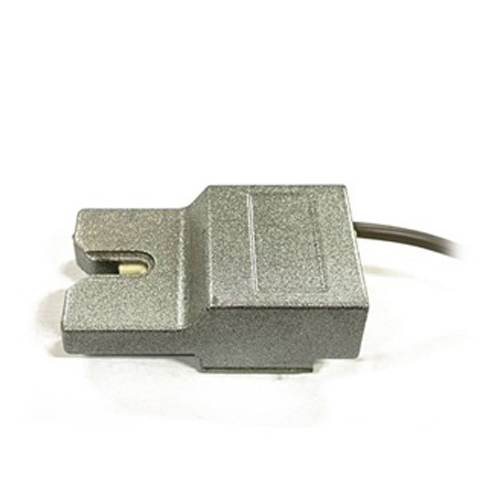
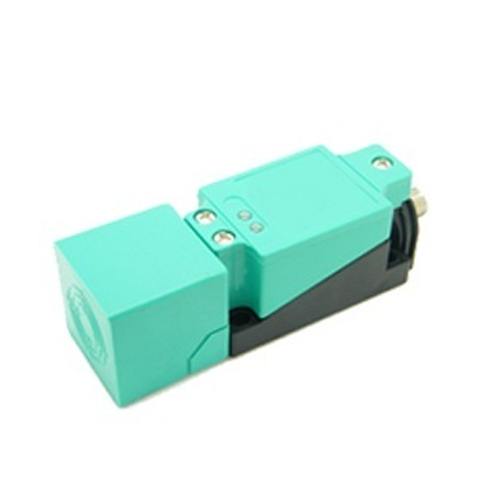
Traditional mechanical limit switches and basic sensors often fall short in the demanding environments of modern conveyor belts. They are prone to wear, require physical contact, and can be susceptible to dust, vibration, and moisture. This is where non-contact inductive proximity sensors, such as the KJTDQ Proximity Sensor for Conveyor, become indispensable. These sensors detect the presence or absence of metallic objects without any physical touch, using an electromagnetic field. This fundamental principle eliminates mechanical wear, significantly enhancing longevity and reducing maintenance downtime.
The application of KJTDQ proximity sensors on conveyors is multifaceted. One of the primary uses is precise object detection and counting. As items, packages, or metal components pass a specific point on the conveyor, the sensor provides a reliable signal. This data is crucial for inventory management, sorting systems, and triggering subsequent automated processes like labeling, diverting, or packaging. The high switching frequency and repeat accuracy of these sensors ensure that even at high speeds, no item goes undetected, preventing bottlenecks and ensuring throughput targets are met.
Beyond counting, these sensors are essential for position control. They can accurately detect the position of pallets, carriers, or fixtures on the conveyor. This allows for precise stopping, positioning for robotic arms, or synchronization between different conveyor sections. In automated assembly lines, for instance, a KJTDQ sensor can signal a robotic workstation that a component has arrived in the exact correct position for the next operation, ensuring flawless assembly.
Perhaps one of the most critical roles is in safety and fault prevention. Conveyor jams, misalignments, and component failures can lead to costly downtime and potential damage. Proximity sensors act as vigilant sentinels. They can monitor for belt slip by detecting the presence of a bolt or marker on a pulley at regular intervals. If the expected signal is missed, it indicates a potential slip or breakage, allowing the system to shut down before major damage occurs. Similarly, sensors can verify that a diverter arm has moved to its correct position or confirm that a safety guard is closed, integrating directly into the machine's safety circuit.
The environmental robustness of the KJTDQ Proximity Sensor is a key advantage. Conveyor systems are often located in harsh industrial settings filled with airborne particulates, oil mist, and temperature fluctuations. These sensors are typically housed in rugged, sealed enclosures with high Ingress Protection (IP) ratings, making them resistant to dust and water jets. Their stable performance is unaffected by most contaminants, ensuring reliable operation in foundries, food processing plants, woodworking facilities, and outdoor logistics hubs.
Installation and integration are straightforward. The compact design of modern proximity sensors allows them to be mounted in tight spaces along the conveyor frame. Their compatibility with standard programmable logic controllers (PLCs) and industrial networks means they can be easily incorporated into existing control architectures. The long operational life and minimal maintenance—often limited to periodic cleaning of the sensing face—translate into a lower total cost of ownership despite the initial investment being higher than mechanical alternatives.
In conclusion, the integration of a specialized KJTDQ Proximity Sensor for Conveyor systems is not merely an upgrade; it is a strategic investment in operational excellence. By enabling precise detection, enhancing control accuracy, and providing critical safety diagnostics, these sensors form the intelligent nervous system of a conveyor line. They empower businesses to achieve higher levels of automation, reduce unplanned stoppages, improve product quality, and ensure a safer working environment. As industries continue to strive for greater efficiency and smarter manufacturing, the role of reliable, high-performance proximity sensors like the KJTDQ series will only become more central to successful material handling solutions.