check

check

check

check

check

check
In the realm of modern electronics, a tiny, often unseen component plays a monumental role in shaping our daily interactions with technology: the proximity sensor. This ingenious device, fundamental to countless gadgets, operates silently in the background, detecting the presence or absence of nearby objects without any physical contact. Its applications span from the smartphone in your pocket to complex industrial machinery, making it a cornerstone of intuitive design and operational safety.
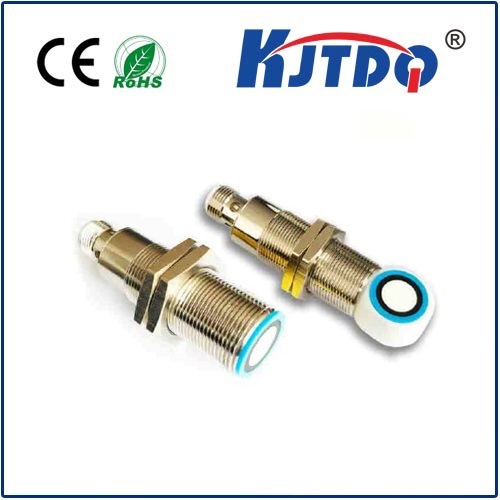
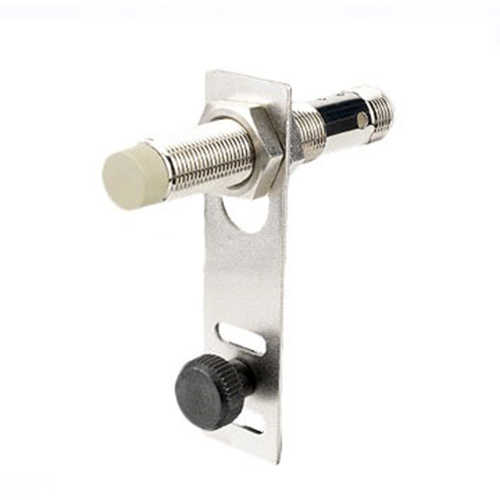
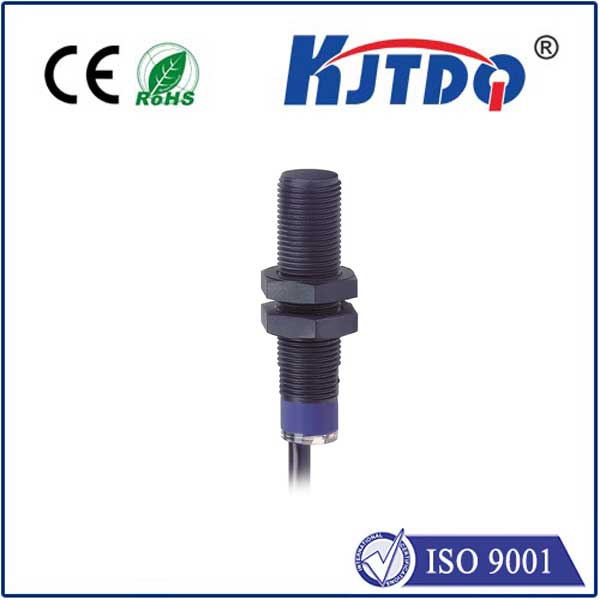
At its core, a proximity sensor functions by emitting an electromagnetic field or a beam of radiation, such as infrared light. It then looks for changes in the field or the return signal. The most common types include inductive sensors for detecting metallic objects, capacitive sensors for a wider range of materials including liquids, and photoelectric sensors using light beams. When an object enters the sensor's predefined range, it disrupts the field or reflects the beam back. This change is instantly converted into an electrical signal, triggering a pre-programmed response in the device's system.
The most ubiquitous example is in our smartphones and tablets. The proximity sensor, typically located near the earpiece, is what turns off the display during a phone call when you bring the device close to your ear. This simple action prevents accidental screen touches, conserves battery power, and enhances user comfort. Beyond this, it enables features like automatic screen wake-up when you pick up the phone or "Raise to Wake" functionalities, creating a seamless and responsive user experience.
The utility of proximity sensors extends far beyond consumer electronics. In the automotive industry, they are integral to advanced driver-assistance systems (ADAS). They provide critical data for parking assistance, blind-spot detection, and collision avoidance systems. When a vehicle approaches an obstacle while parking, the array of proximity sensors, often ultrasonic, provides audible or visual feedback to the driver, significantly reducing the risk of low-speed impacts and making tight maneuvers safer and easier.
Industrial automation heavily relies on the precision and reliability of proximity sensors. On assembly lines, inductive proximity sensors count metallic parts, verify the presence of components, and ensure correct positioning without slowing down the process. In hazardous environments, they enable the non-contact detection of objects, allowing machinery to operate safely around humans or delicate materials. This not only boosts efficiency but also forms a critical layer of safety, preventing accidents and equipment damage.
Even in the realm of home appliances and public facilities, these sensors contribute to convenience and hygiene. Automatic soap dispensers, touchless faucets, and hand dryers use infrared proximity sensors to activate upon detecting a hand, promoting sanitation and conserving resources. Smart lighting systems in homes and offices utilize them to turn lights on when someone enters a room and off when the space is vacant, leading to substantial energy savings.
The development of proximity sensing technology continues to evolve. Modern sensors are becoming smaller, more energy-efficient, and more intelligent. They are being integrated with IoT (Internet of Things) platforms, allowing for smarter data collection and system responses. For instance, in smart retail, sensors can detect customer proximity to displays and trigger relevant promotional content. The future may see even more sophisticated applications in robotics, healthcare monitoring, and augmented reality, where understanding the immediate physical environment is paramount.
Despite their simplicity in concept, the implementation of proximity sensors requires careful consideration. Factors such as sensing range, response time, material compatibility, and environmental conditions like dust, moisture, or temperature extremes must be accounted for in design. Choosing the right type of sensor—inductive, capacitive, or photoelectric—is crucial for the specific application to ensure reliability and accuracy.
In conclusion, the proximity sensor stands as a testament to how a small technological innovation can have an outsized impact. From making our personal devices more intuitive to safeguarding industrial operations and promoting public health, its role is indispensable. As technology marches forward, the humble proximity sensor will undoubtedly continue to be a key enabler, quietly and efficiently bridging the gap between the digital world and our physical interactions with it, enhancing both functionality and safety across countless domains.