check

check

check

check

check

check
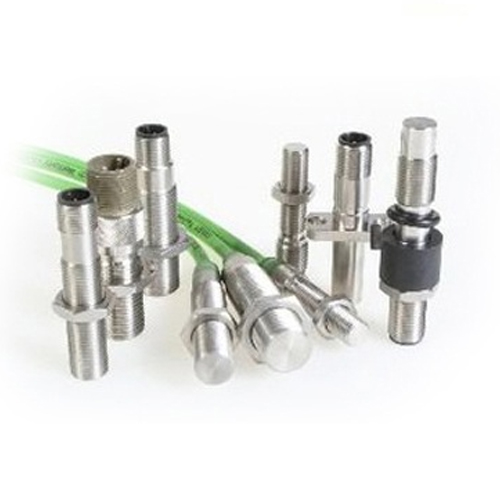
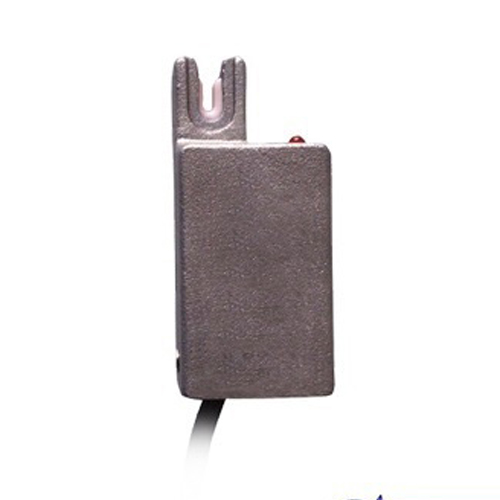
In the high-stakes world of modern manufacturing, Computer Numerical Control (CNC) machines are the backbone of precision engineering. These sophisticated systems carve, mill, and shape materials with incredible accuracy, driving productivity across industries from aerospace to medical devices. However, the relentless pursuit of speed and precision brings inherent challenges: tool wear, potential collisions, and the need for flawless workpiece positioning. This is where a critical, yet often overlooked, component comes into play—the proximity sensor for CNC machine. Integrating these non-contact detection devices is no longer a luxury but a fundamental requirement for achieving peak operational efficiency, safeguarding expensive equipment, and ensuring consistent, high-quality output.
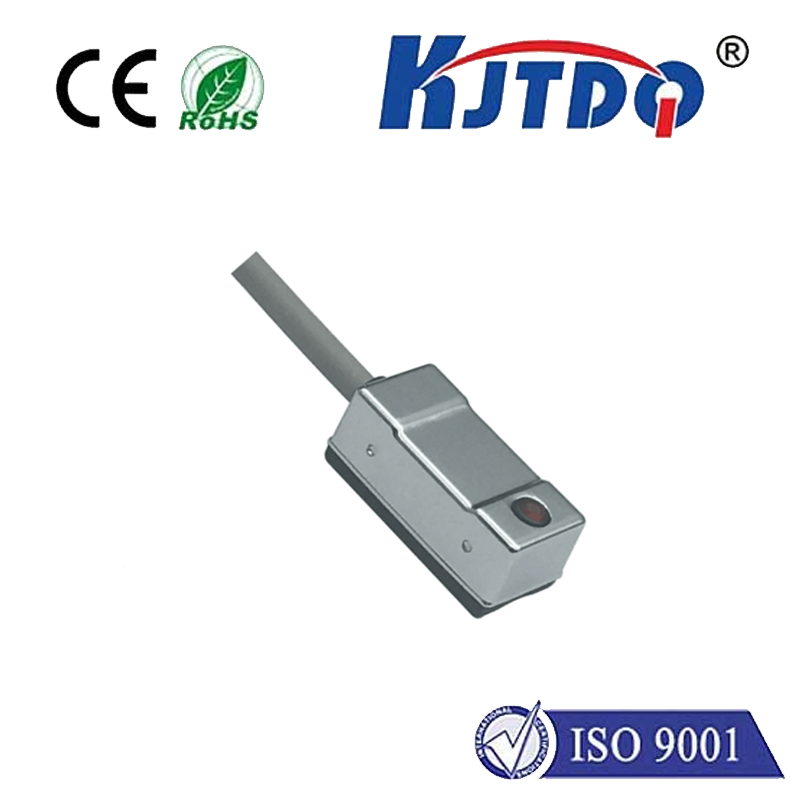
Unlike traditional mechanical limit switches, a proximity sensor for CNC machine operates without physical contact. It emits an electromagnetic field or a beam of light and detects changes caused by the presence of a metallic or non-metallic target. This key feature eliminates mechanical wear and tear, leading to dramatically increased sensor longevity and reliability. In the demanding environment of a machine shop, where coolant, metal chips, and constant vibration are omnipresent, this durability is paramount. The absence of physical contact also means no force is exerted on the target, making these sensors ideal for detecting fragile workpieces or delicate tool tips without risk of damage.
The applications within a CNC ecosystem are diverse and impactful. One of the primary roles is tool setting and tool breakage detection. Before a machining cycle begins, a proximity sensor can precisely determine the exact length and diameter of a tool. More crucially, during high-speed operations, it can instantly detect a broken or chipped tool. An immediate alert stops the machine, preventing the catastrophic scenario of a broken tool ruining a costly workpiece or, worse, causing a machine crash. This proactive intervention saves thousands in material waste and machine downtime.
Another vital function is workpiece positioning and pallet verification. Ensuring a raw material blank or a fixture is loaded correctly and seated perfectly is the first step to a successful machining process. Inductive proximity sensors can verify the presence and exact position of a metal workpiece on the chuck or pallet before the spindle starts. This eliminates human error in loading and prevents the machine from operating on empty air or a misaligned part, which could lead to tool damage and scrapped components.
Furthermore, proximity sensors are indispensable for monitoring axis movement and establishing home positions. They provide precise, repeatable signals to the CNC controller to confirm that linear slides or rotary tables have reached their designated limits or reference points. This ensures the machine's coordinate system is perfectly calibrated for every job, which is the bedrock of machining accuracy. The integration of robust proximity sensors for CNC machines directly translates to tighter tolerances and reduced part-to-part variation.
Beyond precision, safety is a paramount concern. Proximity sensors act as sentinels, guarding access doors and interlocking safety enclosures. If a door is opened during operation, the sensor sends a signal to immediately halt the machine, protecting operators from moving parts. They can also monitor coolant levels or chip conveyor operation, providing alerts for maintenance needs before they escalate into production-stopping failures.
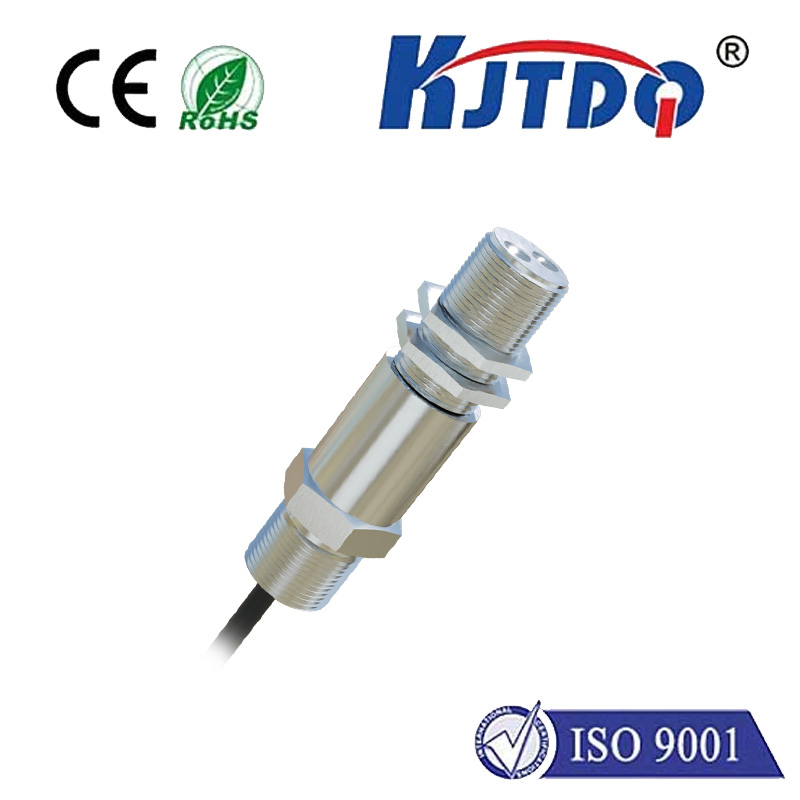
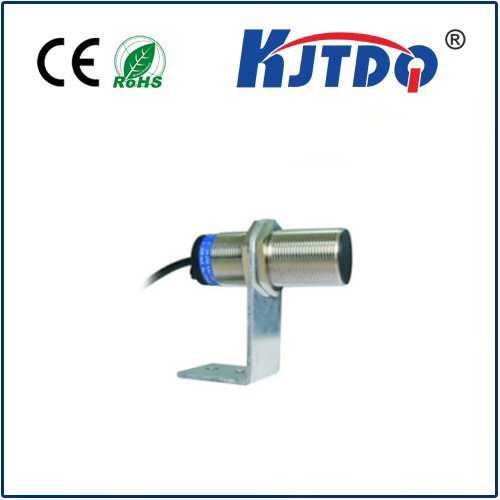
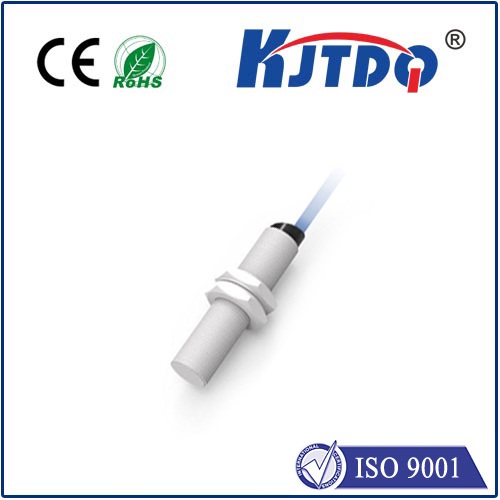
When selecting a proximity sensor for a CNC machine, several factors must be considered. The sensing distance, or range, must be appropriate for the application. The sensor's housing material needs to withstand exposure to oils, coolants, and metal particulate. For environments with heavy washdowns, sensors with high IP (Ingress Protection) ratings are essential. The output type—whether NPN or PNP, normally open or normally closed—must be compatible with the machine's PLC or controller. Finally, the sensing technology itself is chosen based on the target: inductive sensors for metals, capacitive sensors for non-metals like plastics or liquids, and photoelectric sensors for longer-range detection.
The return on investment for implementing high-quality proximity sensors is clear and compelling. They minimize unplanned downtime by preventing crashes and tool damage. They enhance product quality by ensuring consistent, accurate processes. They extend the lifespan of both the machine tools and the sensors themselves due to their non-contact nature. In an industry where every second of spindle runtime and every micron of accuracy counts, the humble proximity sensor for CNC machine is a powerful enabler of lean, smart, and safe manufacturing.
As Industry 4.0 and the Industrial Internet of Things (IIoT) advance, the role of these sensors is expanding. Modern sensors with IO-Link capability can provide not just a simple on/off signal, but also diagnostic data like temperature, operating hours, and signal strength to a central system. This facilitates predictive maintenance, allowing engineers to replace a sensor before it fails, further optimizing the manufacturing workflow. The integration of a reliable proximity sensor for CNC machine is, therefore, a strategic step toward building a more resilient, data-driven, and competitive manufacturing operation.