check

check

check

check

check

check
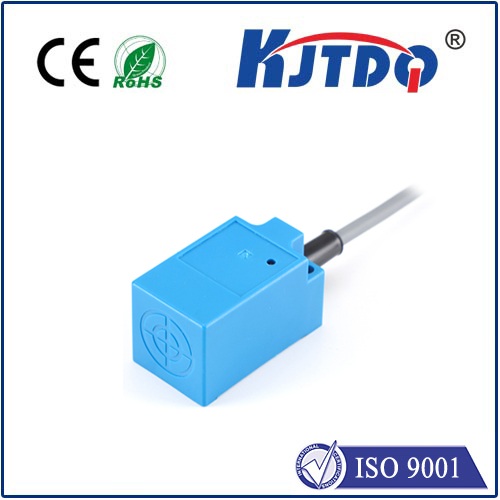
In the fast-paced world of industrial manufacturing, packaging machines stand as critical junctures where product quality and operational speed converge. The reliability of these systems directly impacts throughput, cost, and customer satisfaction. At the heart of ensuring this seamless operation lies a seemingly simple yet profoundly impactful component: the inductive sensor. Specifically designed for the demanding environment of packaging machinery, these sensors are pivotal in detecting the presence, position, or absence of metallic objects without any physical contact, thereby orchestrating precise machine movements.
Traditional mechanical limit switches, prone to wear and tear, often become points of failure, leading to unplanned downtime. The inductive sensor for packaging machines eliminates this vulnerability. By generating an electromagnetic field, it detects ferrous and non-ferrous metals, sending a clean, rapid signal to the machine's control unit. This non-contact detection is crucial in packaging applications where hygiene, speed, and repeatability are non-negotiable. For instance, in a high-speed bottling line, an inductive sensor can reliably confirm the presence of a metal cap on each bottle before it proceeds to the labeling station. A missed detection could result in unlabeled products, creating waste and necessitating line stoppages for correction. The sensor's ability to perform consistently millions of times over, immune to dust, moisture, and mechanical fatigue, translates directly into higher Overall Equipment Effectiveness (OEE).
The integration of advanced inductive sensors brings a new dimension of intelligence to packaging lines. Modern variants offer features like IO-Link communication, which goes beyond simple switching to provide detailed diagnostic data. A sensor can now report its operating health, temperature, and signal strength to a supervisory system. This predictive maintenance capability allows engineers to address potential issues before they cause a breakdown. Imagine a sensor on a carton-sealing machine that monitors the alignment of a metal staple strip. Through continuous data feedback, the system can alert operators to a misalignment or a depleting supply, scheduling maintenance during a planned pause rather than reacting to a catastrophic jam during peak production hours. This data-driven approach minimizes disruption and optimizes spare parts inventory.
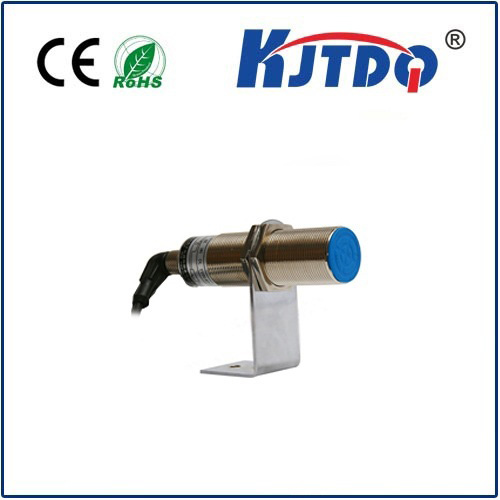
Furthermore, the robustness of these sensors is tailored for harsh packaging environments. They are often housed in stainless steel or ruggedized PBT plastic bodies, with ingress protection ratings like IP67 or IP69K, making them resistant to high-pressure washdowns common in food and pharmaceutical packaging. Their compact designs allow for easy integration into tight spaces within complex machinery, such as inside a form-fill-seal machine where they might detect the position of a metal cutter or the presence of a foil lid. The choice of sensing range, from standard to factor-one, allows for precise installation, avoiding false triggers from nearby machine structures.
The economic argument for deploying high-quality inductive sensors is compelling. While the initial investment might be marginally higher than for basic switches, the return is measured in continuous, reliable operation. Reduced downtime, lower maintenance costs, minimized product waste, and enhanced line speed all contribute to a swift ROI. In an industry where margins are tight and competition fierce, the reliability offered by these components is not just an operational detail but a strategic advantage. They ensure that packaging machines—whether handling delicate electronics, food items, or heavy automotive parts—operate at their designed cadence, safeguarding both product integrity and profitability.
Ultimately, the inductive sensor is more than just a component; it is a guardian of precision in the packaging process. Its silent, unwavering vigilance enables the complex dance of modern packaging machinery, from filling and capping to sealing and palletizing. By providing accurate, real-time feedback, it forms the essential sensory link between the physical packaging action and the digital control system, ensuring that every cycle is completed as intended. For engineers and plant managers seeking to future-proof their operations, specifying and maintaining high-performance inductive sensors is a fundamental step toward achieving resilient, efficient, and intelligent production lines.